Launching a property development involves far more than creating a logo, producing a brochure and commissioning a handful of attractive CGI images.
Today’s buyers, investors and stakeholders experience a development across dozens of touchpoints before they ever visit a sales suite. They might discover the project on LinkedIn, browse the website, download a brochure, watch an animation, explore a VR tour and revisit it through social media advertising. Every one of those interactions contributes to their perception of the development.
When the visual identity feels inconsistent, or the CGI doesn’t support the wider brand, that confidence quickly begins to erode.
The strongest campaigns don’t simply contain beautiful imagery. They tell one consistent story.
Whether you’re wondering what marketing collateral you need for a property development launch, how to market an off-plan property development before construction starts, or which CGI studio can create a complete visual strategy, consistency should be at the centre of every decision.
Here are five mistakes we regularly see that quietly weaken otherwise excellent developments.
1. The CGI and Brand Identity Feel Like Two Different Projects
One of the most common mistakes is treating CGI as an isolated deliverable.
The branding agency develops a sophisticated identity. The CGI studio produces beautiful renders. The marketing team builds the website. Yet nobody steps back to ask whether all three actually belong together.
Buyers rarely analyse this consciously. They simply notice that something feels inconsistent.
Perhaps the branding communicates boutique luxury, while the interiors feel generic. Perhaps the colour palette, lighting and styling don’t reflect the lifestyle the brand promises. Perhaps the CGI feels ultra-modern while the marketing copy speaks about heritage and craftsmanship.
The best architectural visualisation doesn’t just show architecture. It reinforces the same personality the brand is trying to communicate.
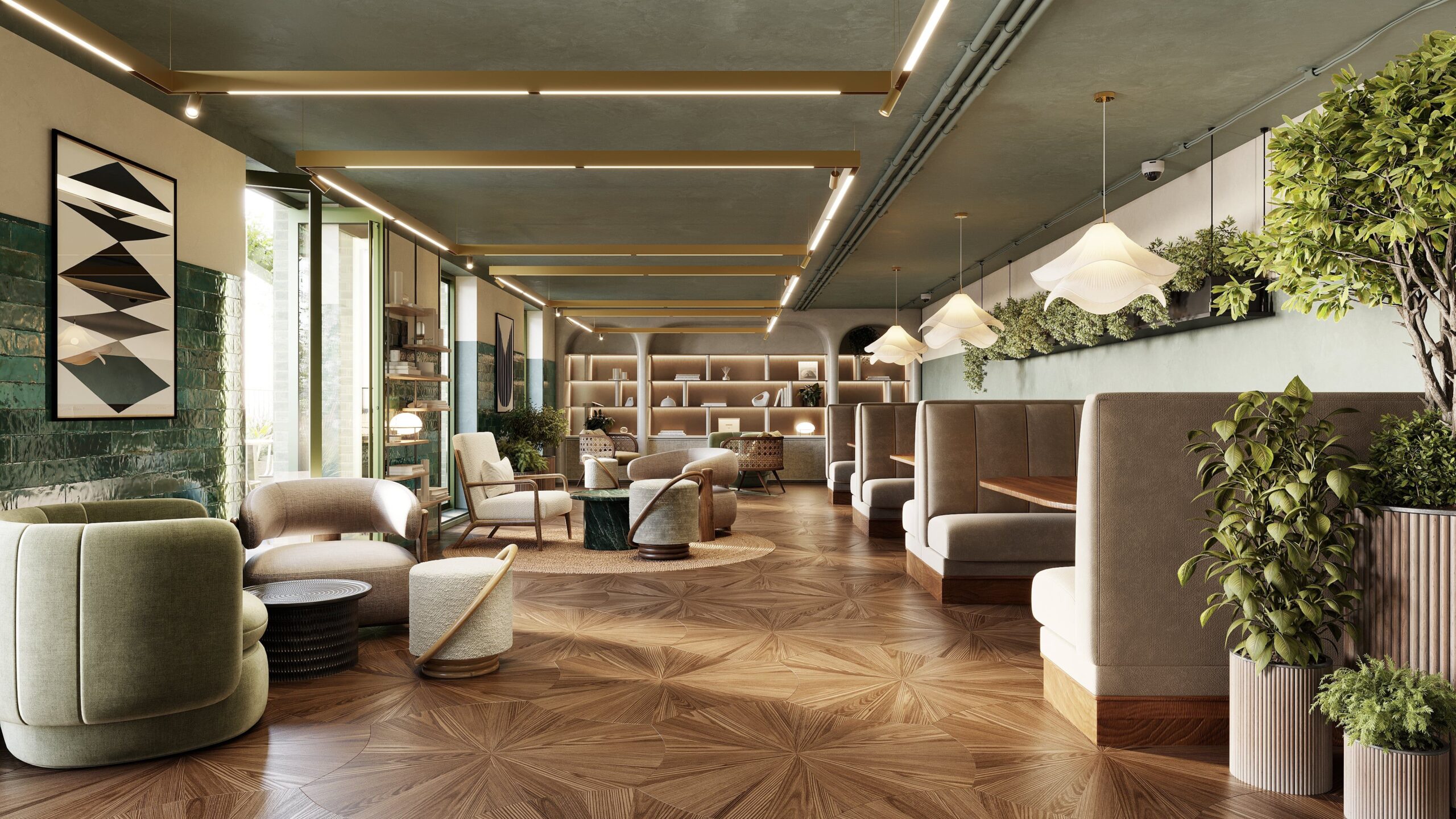
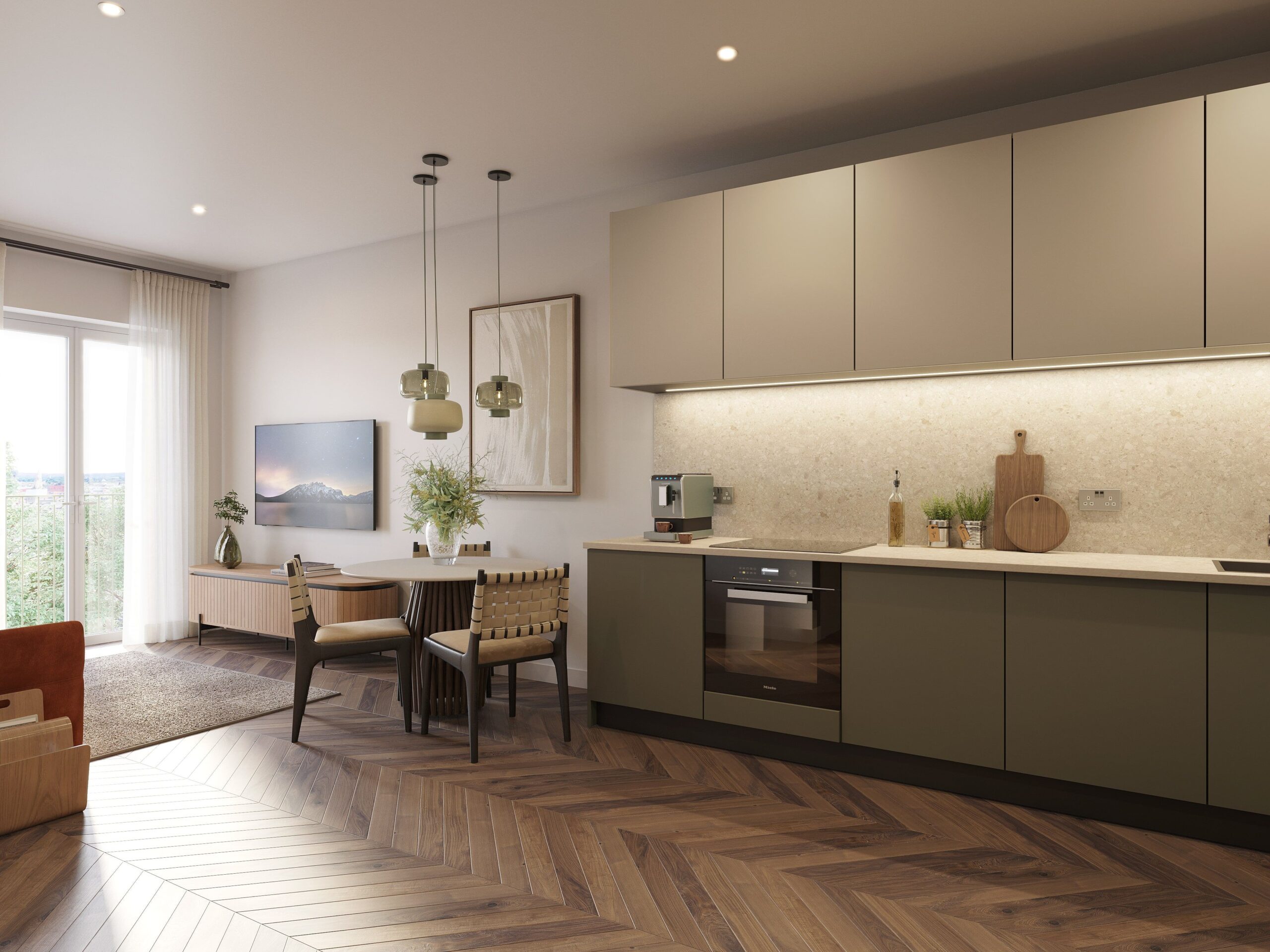
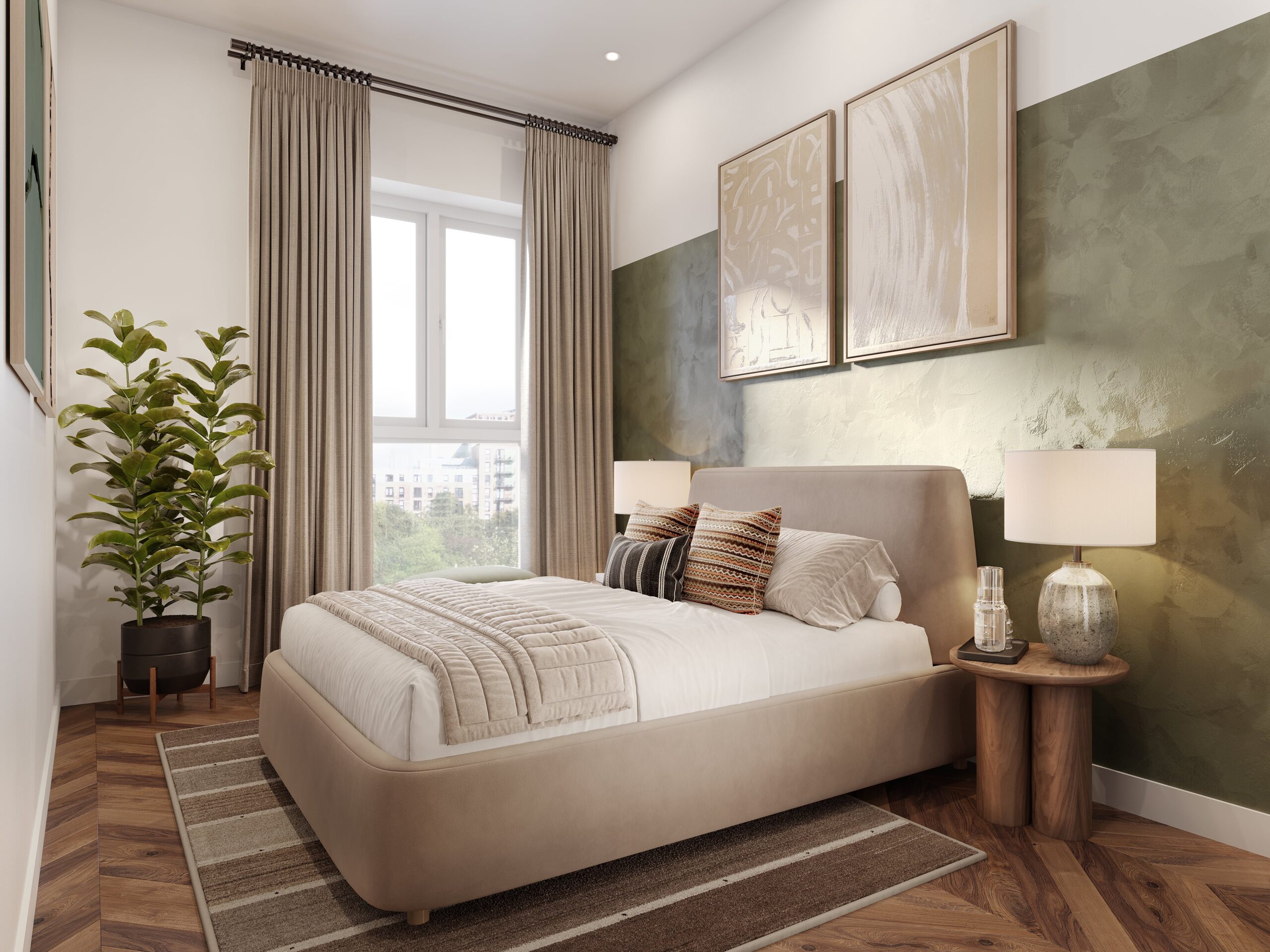
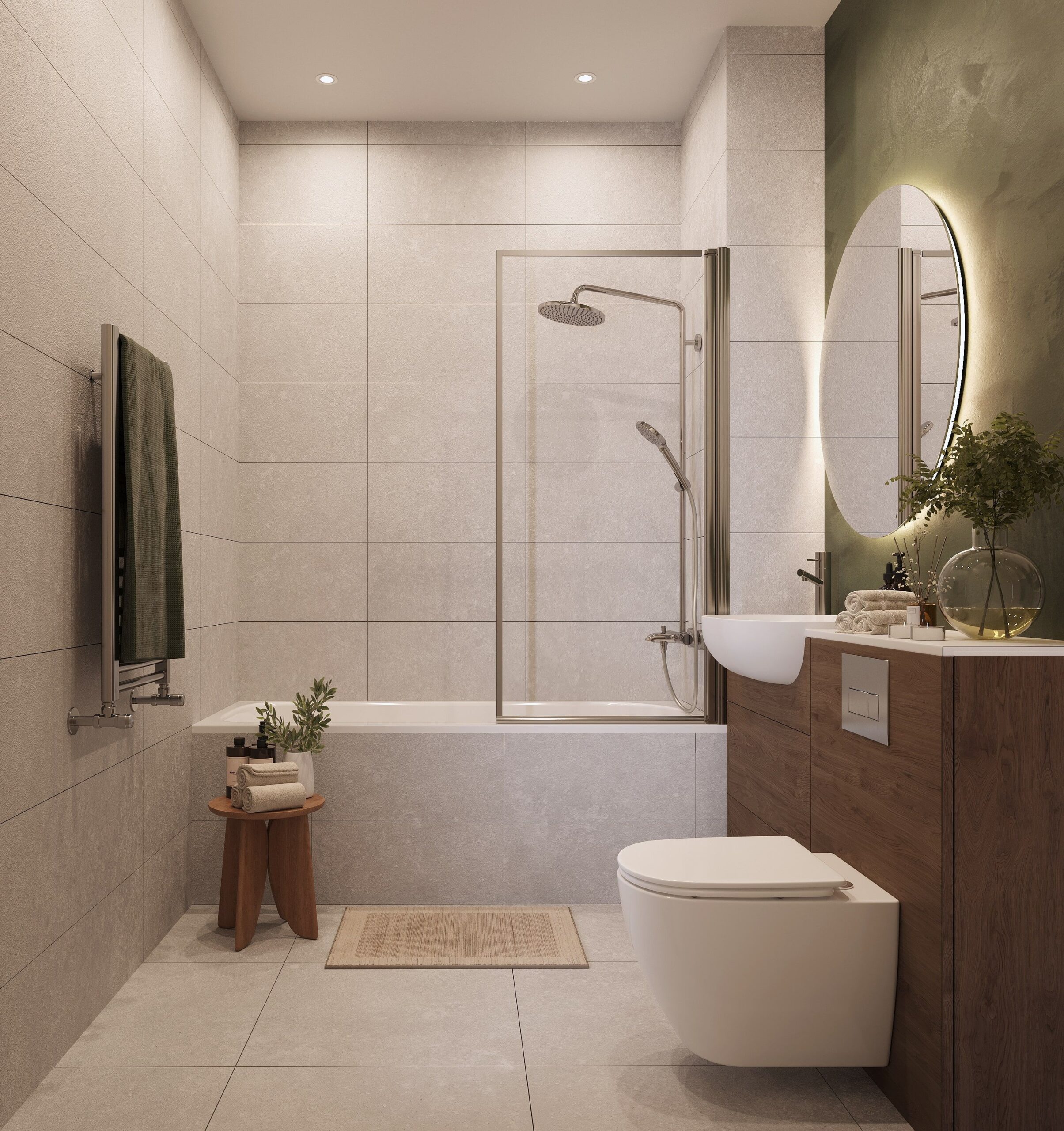
An example of premium interior CGIs that clearly reflects a carefully considered interior design palette.
CGI Visuals: Viridian in Salford, Manchester
2. Different Marketing Channels Tell Different Stories
A development should feel recognisable wherever someone encounters it. Unfortunately this isn’t always the case.
We often see:
- Website imagery using one visual style
- Social media using another
- Brochures featuring different CGI angles
- Hoardings showing outdated visuals
- Sales presentations introducing yet another version
Individually, none of these assets look “wrong”. Collectively, they dilute the brand.
Consistency builds familiarity. Familiarity builds trust. Trust helps buyers feel comfortable making significant purchasing decisions, particularly when selling apartments before construction has even begun. If you’re asking what marketing collateral you need to sell apartments off-plan, the answer isn’t simply “more visuals”. It’s the right visuals, presented consistently across every platform.
3. Beautiful Images That Don’t Speak to the Target Audience
Not every attractive render is an effective marketing image.
Ask yourself:
Who is this visual actually for?
A first-time buyer? An overseas investor? A downsizer? A build-to-rent audience? Luxury apartment purchasers?
Every audience responds to different cues. Furniture styling. Lighting. Lifestyle accessories. Camera angles. Communal spaces. Neighbourhood context.
The imagery should reinforce the lifestyle your audience is buying. Not simply the building they’re purchasing.
Professional architectural CGI is as much about communication as realism.
That is one of the biggest differences between AI-generated property imagery and professional architectural CGI. AI may generate attractive images. Professional CGI is created around a marketing objective.
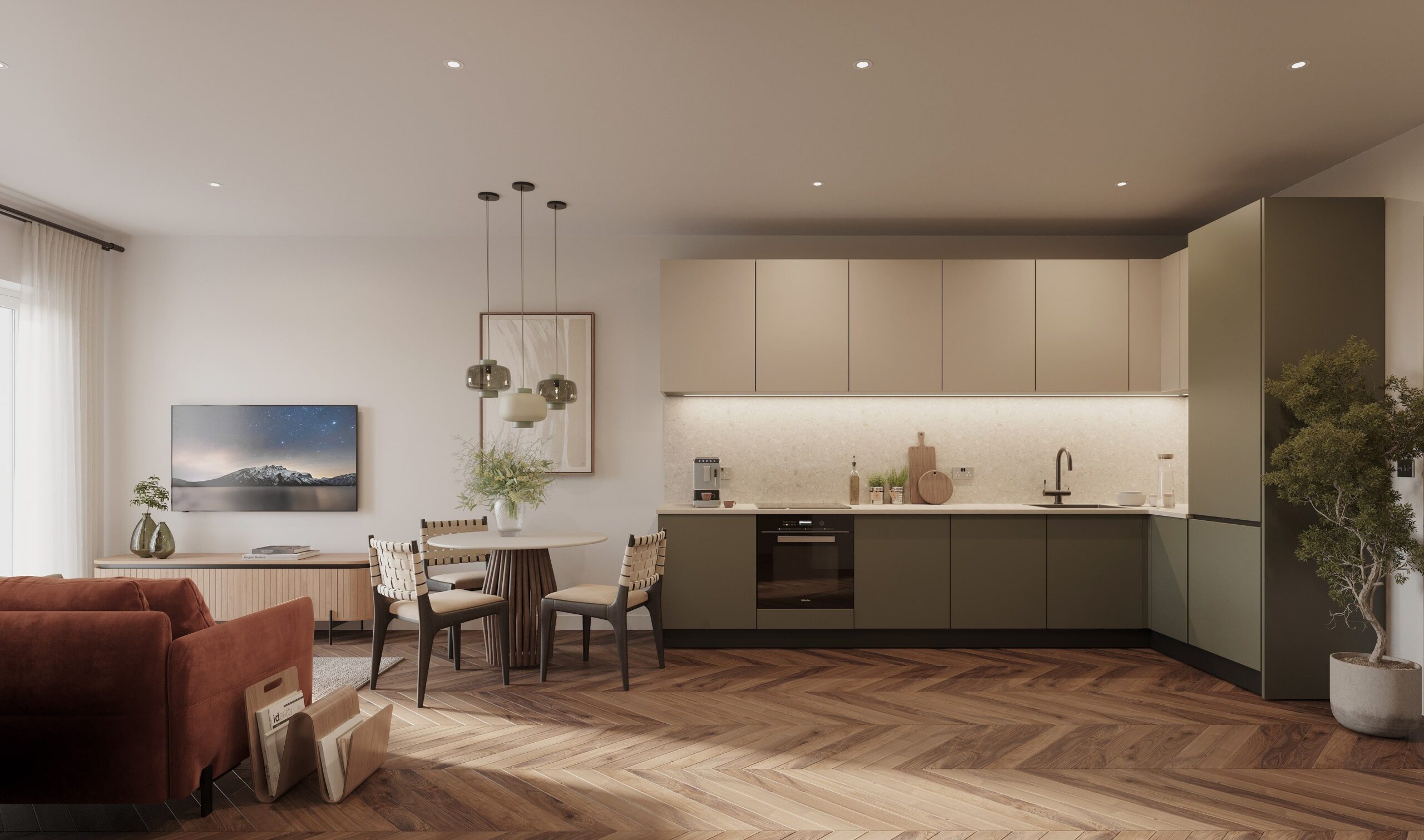
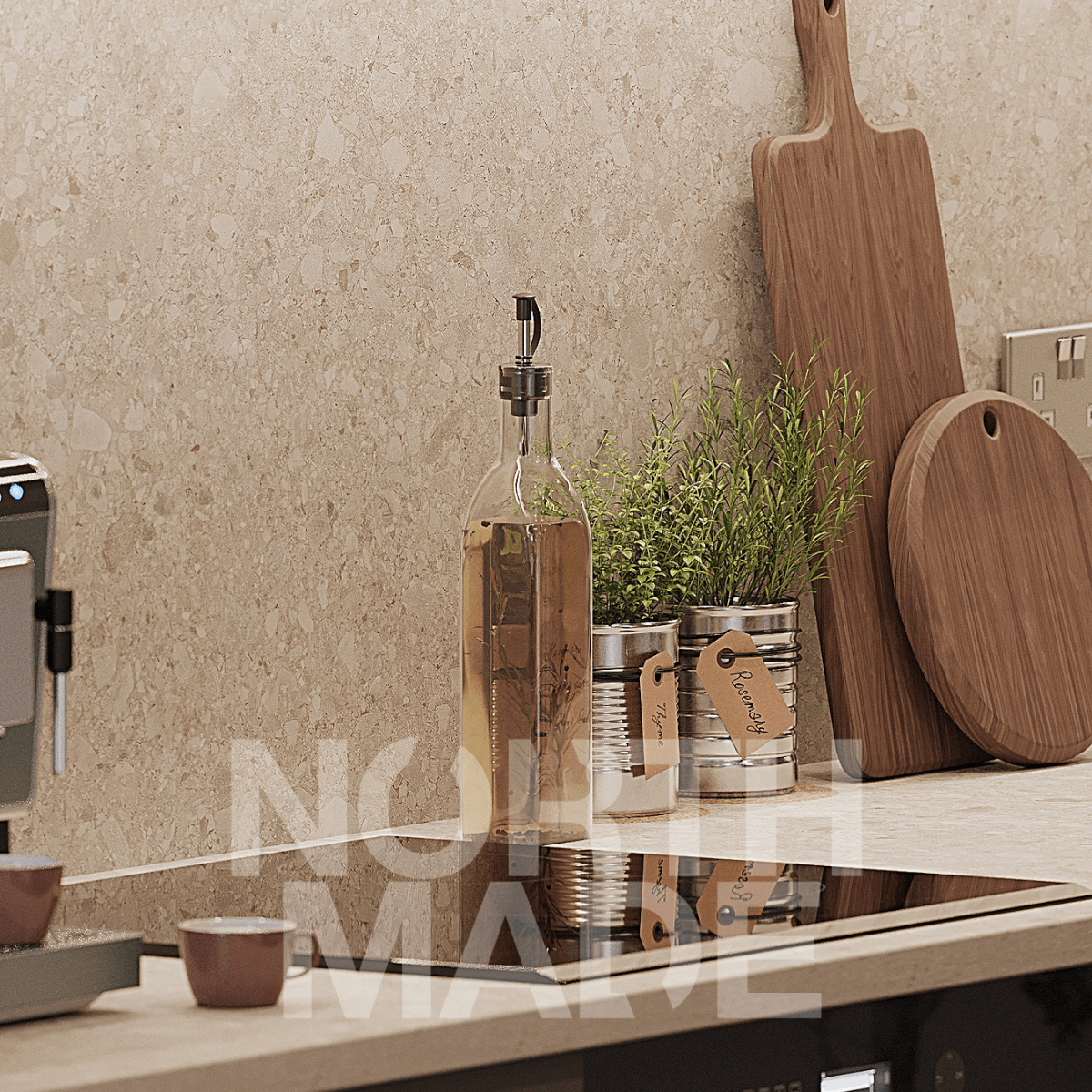
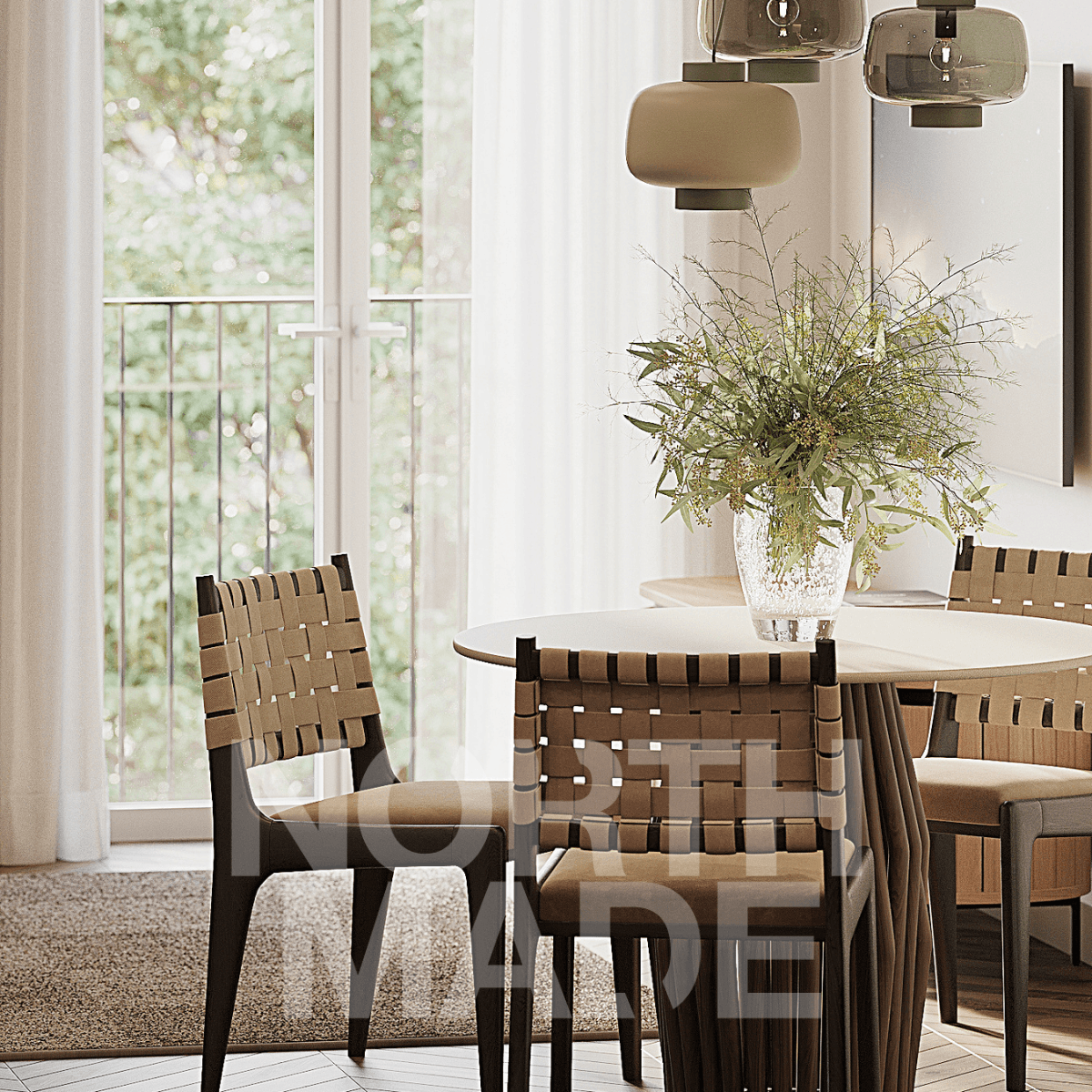
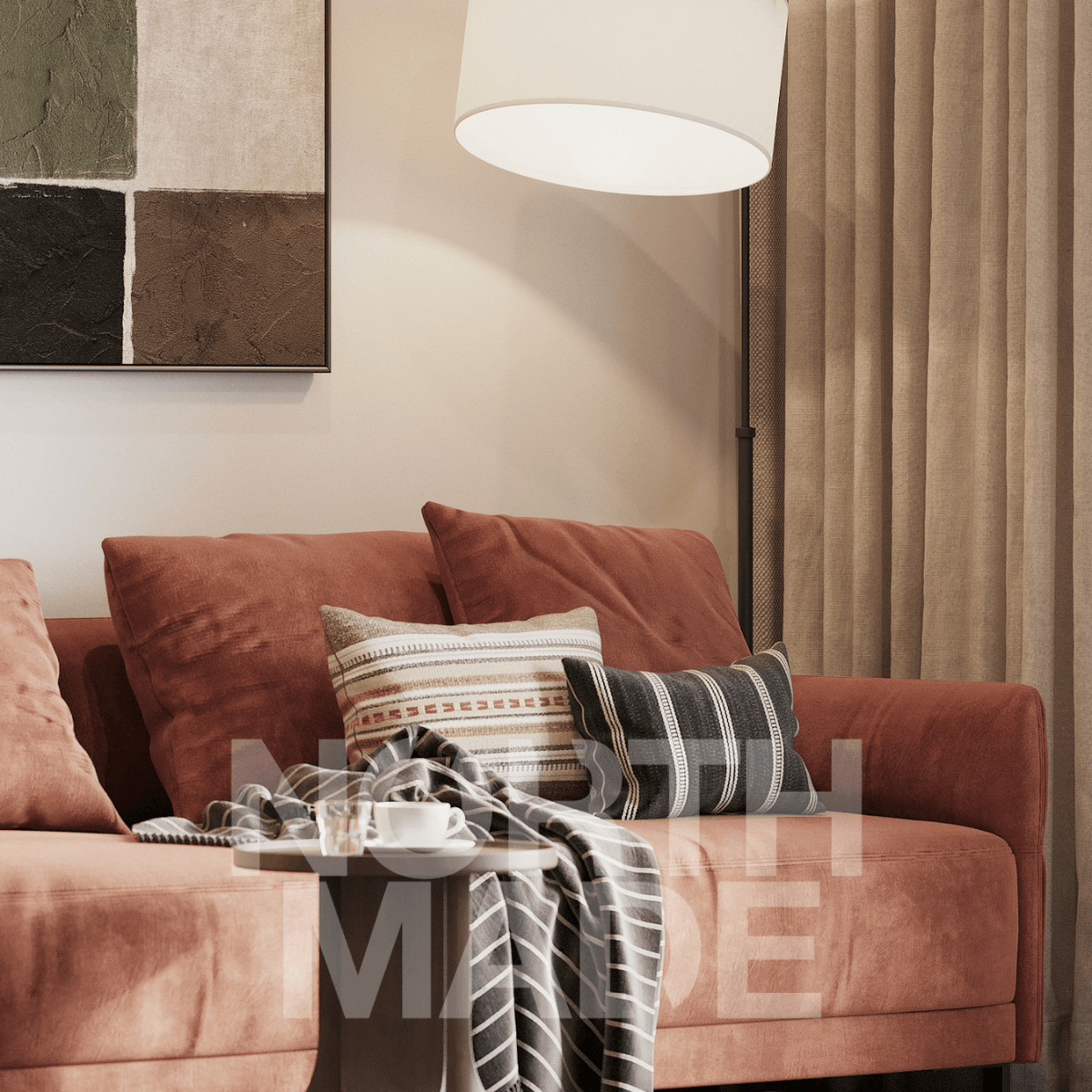
An example of lifestyle interior CGIs, reinforcing audience positioning.
CGI Visuals: Viridian in Salford, Manchester
4. Commissioning Lots of Visuals Without Defining Their Purpose
More imagery doesn’t necessarily create a stronger campaign. Sometimes it creates confusion. Every visual should answer one question:
What job is this image doing?
For example:
- Hero exterior CGI → attract attention
- Street-level CGI → explain context
- Interior CGI → help buyers imagine living there
- Animation → tell the wider story
- VR tour → build confidence before construction
- Detail imagery → reinforce quality
- Lifestyle cameos → create emotional connection
When each asset has a defined role, the campaign feels deliberate rather than repetitive. This approach also makes commissioning CGI considerably more cost-effective because every asset contributes towards a wider strategy. It’s one reason developers increasingly ask us not simply to produce renders, but to help define the overall visual approach before production begins.
5. Treating CGI as a Late-Stage Deliverable
Perhaps the biggest missed opportunity is waiting until marketing begins before thinking about visualisation.
The most successful projects involve CGI much earlier. During planning. During branding. During interior design. During marketing strategy.
Early collaboration allows every visual asset, from brochures and websites to animations and VR tours, to feel part of one coherent campaign.
Rather than simply creating attractive imagery, the visual strategy begins supporting:
- Planning communication
- Investor presentations
- Sales launches
- Marketing campaigns
- Buyer confidence
- Brand consistency
Developers often ask:
How can CGIs help sell a residential development before completion?
The answer isn’t simply because they show what the building will look like. It’s because they reduce uncertainty. They help buyers understand the vision, trust the development and emotionally connect with spaces that don’t yet exist.
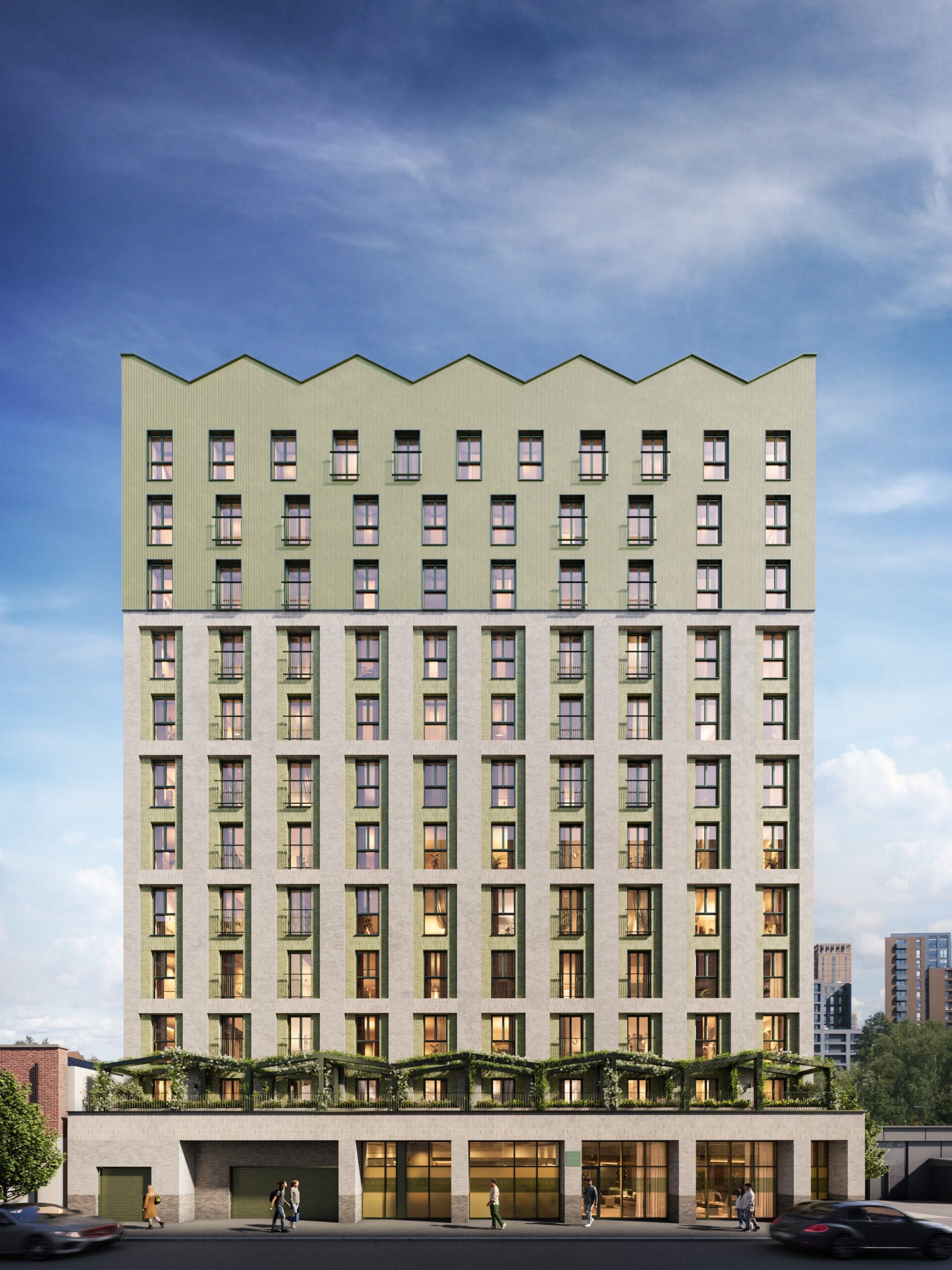
An example of full-width exterior hero CGI showing the completed development, reinforcing the “complete vision” coming together.
CGI Visual: Viridian in Salford, Manchester
Before You Launch Your Next Campaign…
Before approving your next brochure or commissioning another CGI, ask yourself:
✓ Do all our visuals feel like they belong to the same development?
✓ Does our branding match the interiors?
✓ Does every image have a clear purpose?
✓ Are we communicating with our intended audience?
✓ Have we planned our visual strategy early enough?
If you answer “no” to any of these questions, it’s worth reviewing your campaign before launch, not after.
Visual consistency isn’t simply about aesthetics. It’s about helping every part of your marketing work harder.
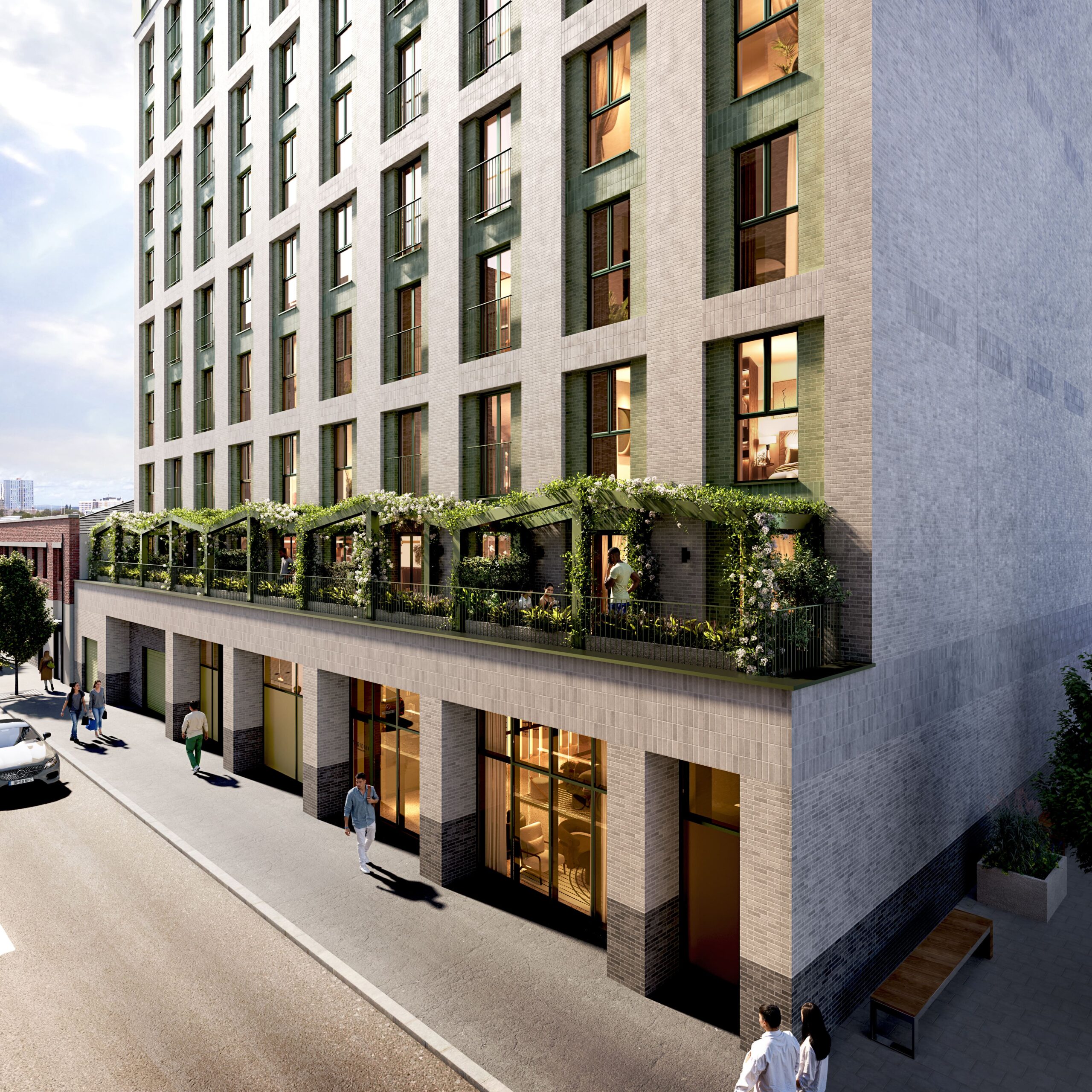
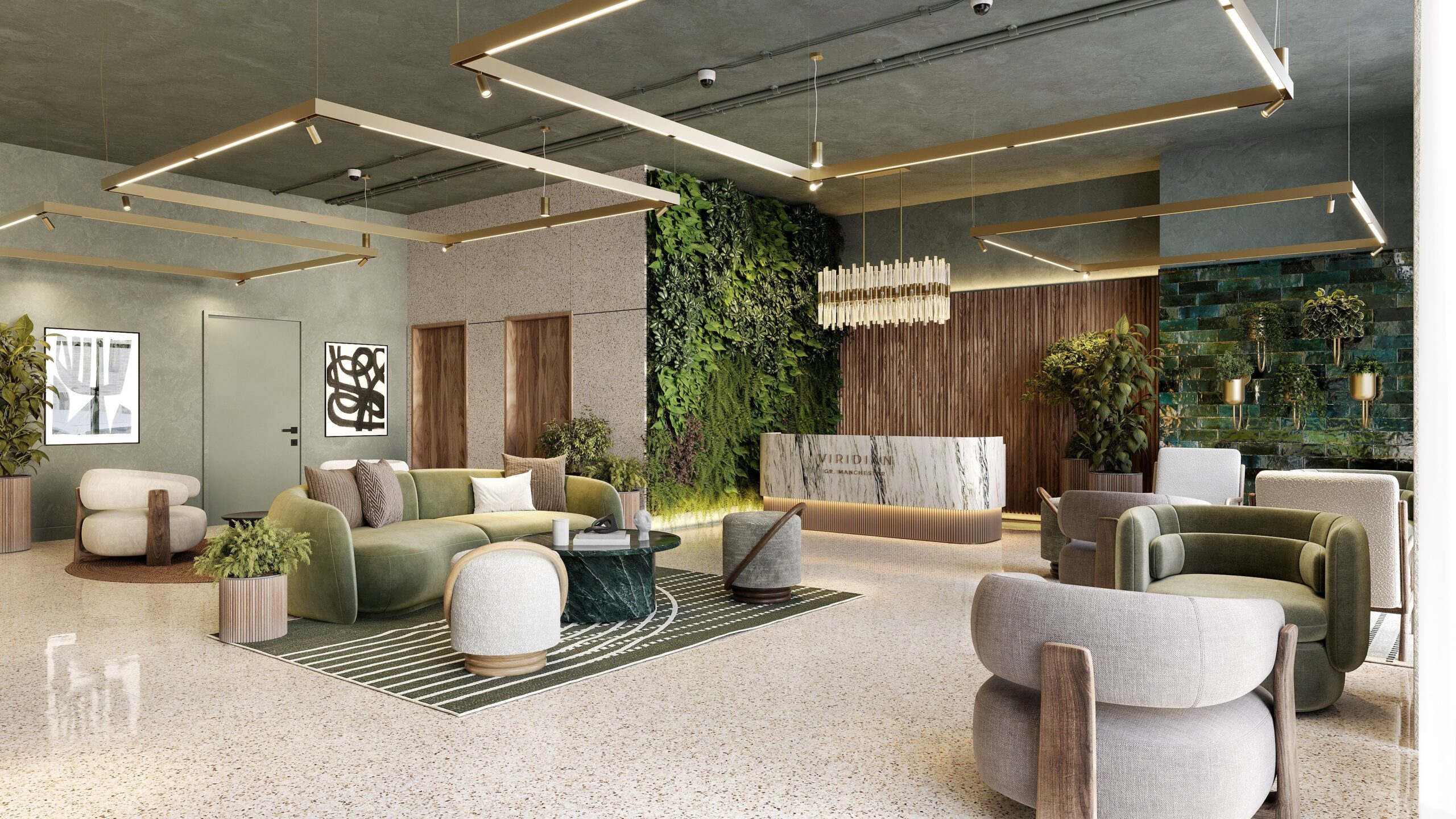
CGI Visuals: Viridian in Salford, Manchester
At North Made Studio, we help property developers, housebuilders, architects and marketing teams create visual strategies that go beyond individual CGI images.
From architectural CGIs and animations to VR tours and launch campaigns, we create visual assets that work together to tell one consistent story from planning through to sales.