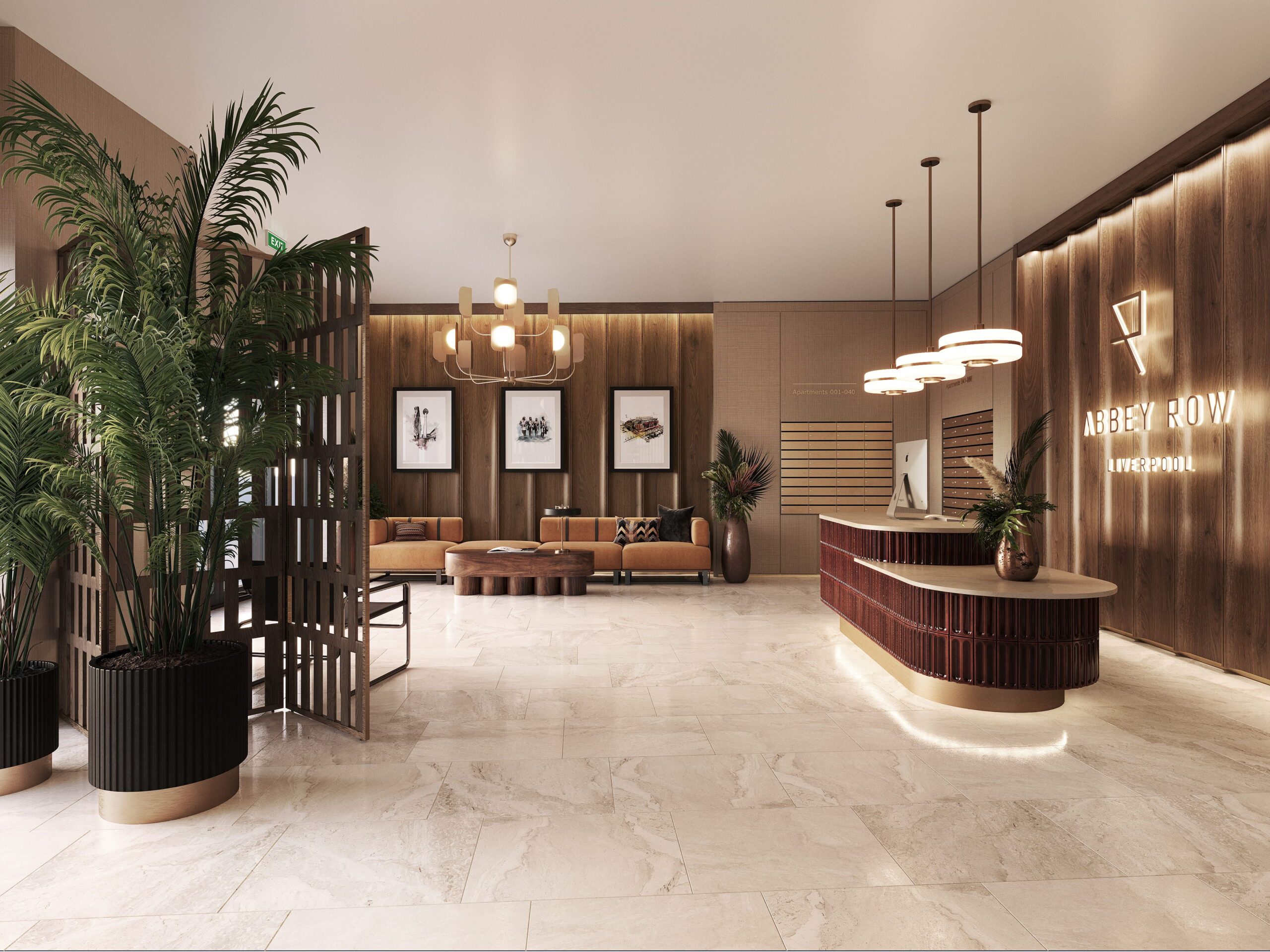
The conversation around artificial intelligence in the creative sector is impossible to ignore. Tools like Midjourney, Stable Diffusion, and DALL-E have democratised the creation of high-fidelity images. With a few text prompts, anyone can generate a stunning, mood-lit image of a futuristic skyscraper or a cosy interior.
For property developers and architects, the appeal is understandable. The speed and low cost of AI generation are attractive propositions. However, when the goal is to secure planning permission, sell off-plan properties, or communicate a specific design vision, “stunning” is not enough. The image must also be accurate.
At North Made Studio, we believe in using the best technology available. Yet, there is a critical distinction between the “dreamlike” capabilities of AI and the “blueprint-accurate” precision of professional Architectural Visualisation.
Here is why relying solely on generative AI for property marketing can be a risky strategy, and where professional CGI remains the industry standard.
The Difference Between “Prompting” and “Modelling”
To understand the limitations of AI in our field, you must be aware how the images are built.
Generative AI models are trained on billions of existing images. When you ask for a “modern apartment in Manchester with exposed brick,” the AI predicts what that should look like based on patterns it has seen before. It is essentially hallucinating a plausible image based on probability.
Professional 3D visualisation works in reverse. We do not guess; we construct. Our artists build a virtual 3D model based strictly on your CAD drawings, DWG files, and material specifications.
1. The Geometry Problem
AI struggles with architectural logic. You might notice stairs that lead nowhere, windows that don’t align with the floor plan, or shadows that defy physics. In a conceptual mood board, these glitches are acceptable. In a sales brochure, they are fatal errors.
If a potential buyer notices that the kitchen layout in the brochure is physically impossible, trust in the development evaporates. Professional CGI ensures that if a wall is three metres long in the architect’s plans, it is three metres long in the render.
2. Specificity of Materials
In property development, the difference between “oak flooring” and “engineered walnut” is significant to the budget and the buyer.
AI operates on generalities. It can generate “wood floor,” but it cannot accurately replicate the exact grain, sheen, and colour temperature of a specific product you have specified from a supplier. Professional 3D artists create custom textures to ensure the render matches the physical sample board sitting in your marketing suite.
The Legal and Commercial Risks
Property marketing falls under strict regulations regarding accuracy. Buying a home is often the largest financial commitment a person will make, which means the marketing materials used to sell that dream are subject to high scrutiny.
Misrepresentation Implications
If you market a property using an AI-generated image that creates a sense of space or light that does not exist in the actual build, you risk falling foul of consumer protection regulations.
For example, AI tends to “over-glamourise” lighting, often ignoring the actual orientation of the building. A professional visualisation studio will use sun-path analysis to simulate exactly how light enters the building at specific times of day in the UK. This ensures you are selling a reality, not a fantasy that could lead to post-completion legal challenges.
Where AI Fits in the Workflow
This is not to say that AI has no place in architecture. It does. At North Made Studio, we view AI as a powerful tool for the ideation phase.
- Mood Boarding: Rapidly generating ten different “vibes” for an interior to see if a client prefers Industrial or Scandi-minimalist styles.
- Texture Generation: Creating unique, seamless patterns for fabrics or background elements.
- Clutter and Styling: helping to brainstorm ideas for dressing a room.
However, once the concept is approved and we move to the production phase, the AI is turned off. The control must return to the hands of skilled 3D artists who ensure every pixel adheres to the architectural drawings.
The Human Element: Context and Storytelling
Finally, there is the matter of local context. An AI trained on global data often defaults to a “Californian” or generic European look.
As a studio based in the North of England, we understand the specific quality of light in Manchester, Leeds, and Liverpool. We know what wet pavement looks like in November and how red brick contrasts with our grey skies. We understand the local architectural vernacular.
AI creates generic beauty. Humans create specific, relatable narratives that resonate with local buyers.
Conclusion: Accuracy Builds Trust
In the fast-paced world of property development, the temptation to cut corners with generative AI is real. While these tools offer incredible speed, they lack the one thing that developers need most: control.
When you are asking investors or homebuyers to part with their capital, you need to provide them with certainty. Professional architectural CGI offers a guarantee that what they see is exactly what they will get.