When people think about architectural CGI, they often picture a single polished image: the dramatic exterior at dusk, the aspirational living space or the rooftop view designed to stop someone mid-scroll.
That hero image matters. It may become the lead visual on a website, brochure or advertising campaign. But property marketing rarely succeeds because of one attractive image alone.
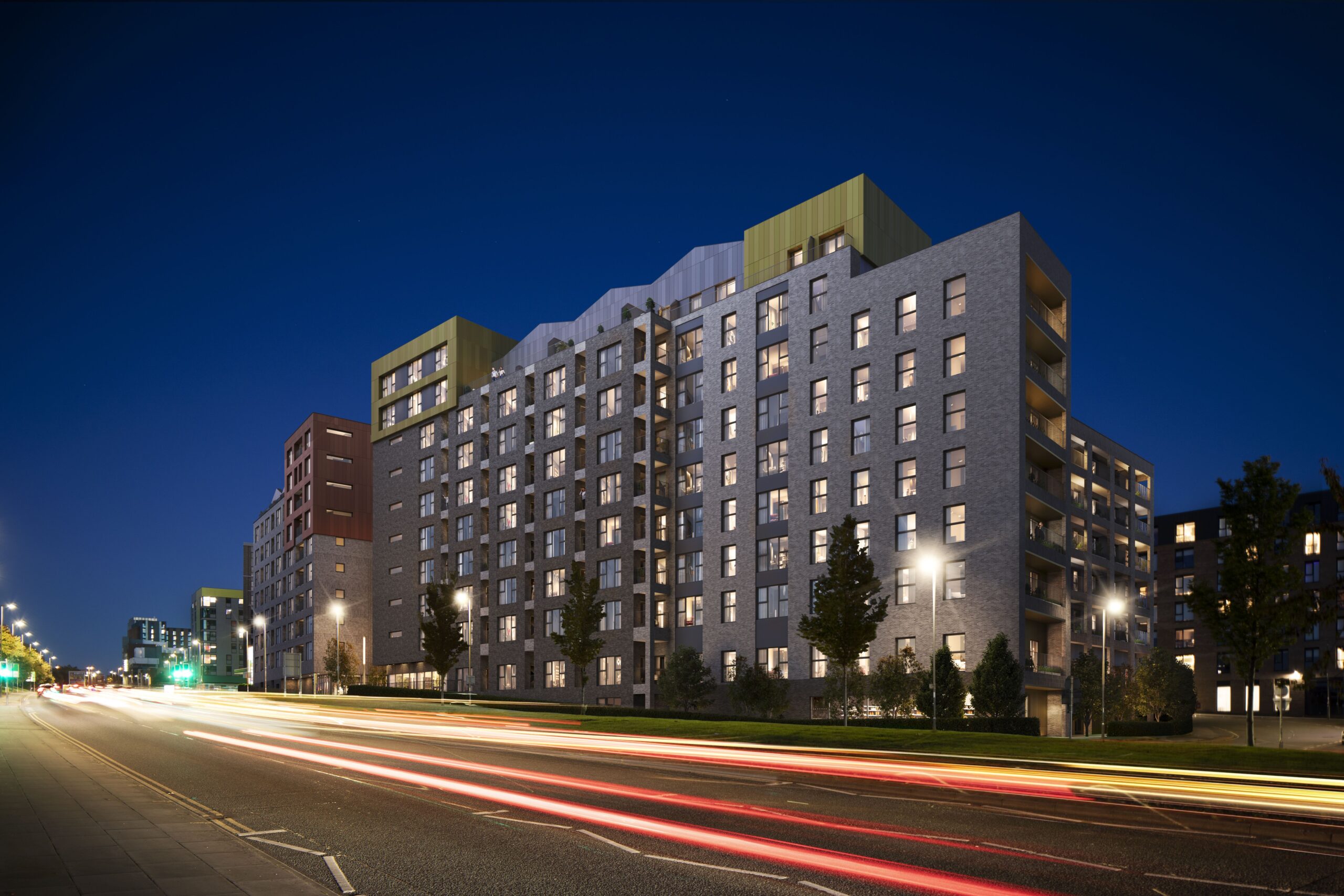
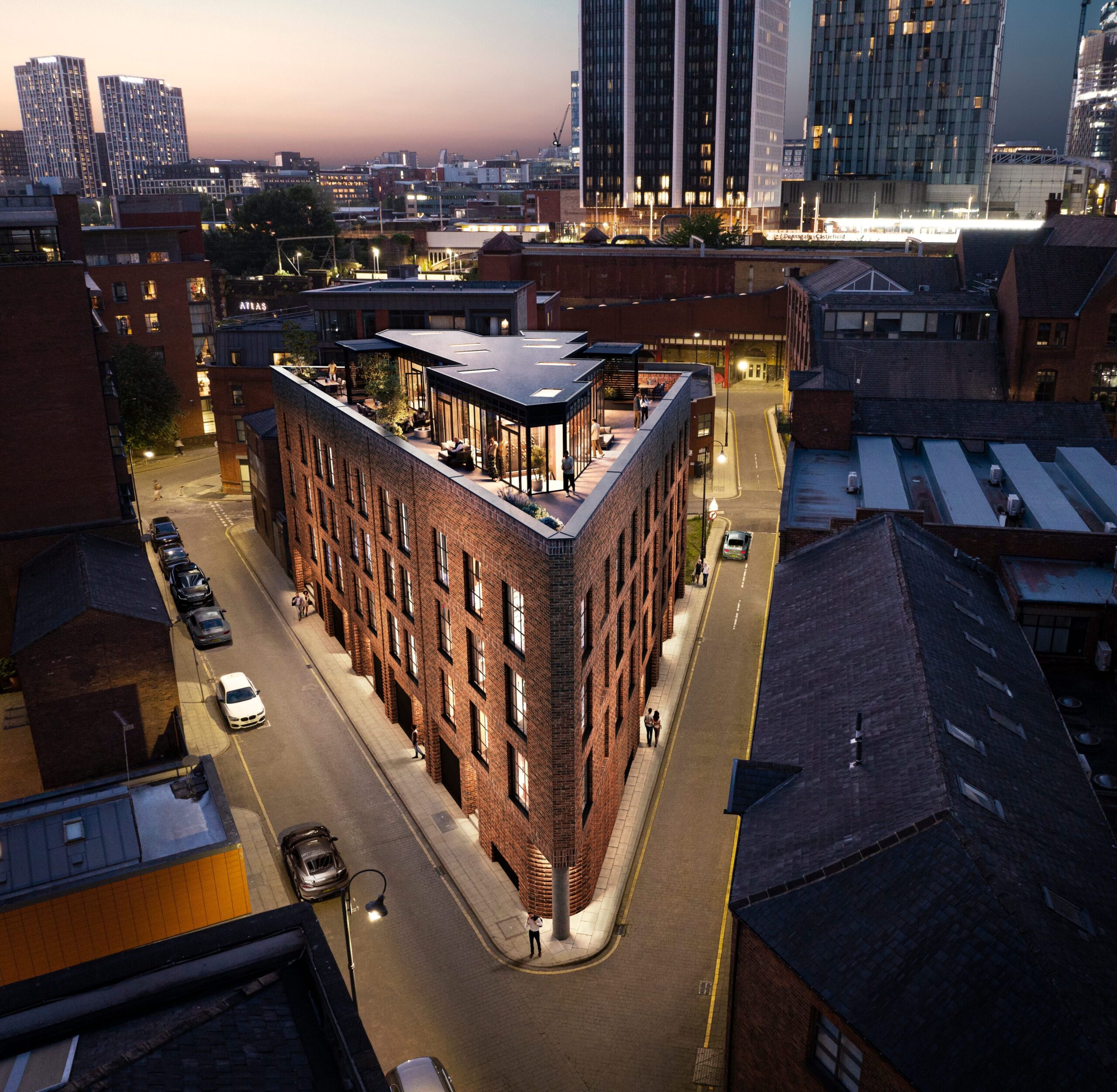
CGI Visual: Abbey Row, Liverpool
A development needs to be understood across different audiences, channels and stages of the campaign. Buyers may want to imagine everyday life in the space. Investors may need to understand the scale and commercial potential of the scheme. Sales teams require materials that make the proposition easier to explain. Marketing teams need a consistent bank of content that can work across websites, brochures, social media, PR and digital advertising.
This is where strategic CGI becomes valuable.
Rather than treating architectural visualisation as a final decorative step, a strategic approach begins by asking:
What does each visual need to help the audience understand, feel or do?
The answer can shape everything from the selected viewpoints and lighting to the spaces shown, the formats produced and the point at which the CGI studio joins the project.
What does “strategic CGI” mean?
Strategic CGI is architectural visualisation created around a defined communication or commercial objective.
The objective might be to:
- establish the positioning of a new development
- build anticipation before launch
- help prospective buyers understand an unbuilt home
- communicate the scale and amenities of a scheme
- support investor presentations
- provide content for a website or social campaign
- create confidence among stakeholders
- equip a sales team with clearer, more persuasive materials
This does not mean that visual quality becomes less important. The imagery still needs to be accurate, engaging and carefully composed. The difference is that aesthetic decisions are made in support of a wider purpose.
Before considering the camera angle, furniture or time of day, it helps to define the job the visual needs to do.
Is it introducing the overall development? Highlighting a key amenity? Communicating the quality of the interiors? Establishing a sense of place? Helping buyers imagine a particular lifestyle?
A visually impressive image can attract attention. A strategically planned image can also help turn that attention into understanding, confidence and action.
This reflects a wider principle within our approach at North Made Studio: the CGI may be the output, but the real value lies in the understanding it can unlock.
Why the hero image is only one part of the job
The hero image will often carry much of the visual identity of a property campaign. It may be the first image prospective buyers see and the one most frequently used by the press, agents and advertising teams.
However, it cannot communicate every aspect of a development.
An exterior image might establish architectural identity and location, but it may not show how an apartment feels to live in. An interior living-space image might communicate finish and atmosphere, but not the wider building, amenities or neighbourhood. A rooftop image may express lifestyle value, while an aerial view provides context and connectivity.
Different visuals answer different questions:
- What does the development look like?
- Where is it situated?
- What will the homes feel like?
- What amenities are included?
- Who is the development designed for?
- How do the spaces connect?
- What makes the scheme distinct from competing developments?
A strategic visual package considers these questions together. Instead of commissioning a collection of disconnected images, the campaign is planned as a visual story.
For The 8 in Manchester, for example, North Made produced exterior and interior CGI alongside a marketing animation. The imagery communicated the development’s distinctive brick architecture, premium interiors and rooftop lifestyle, while the animation connected the spaces into a broader narrative. Together, the assets supported off-plan sales, investor presentations and digital campaigns rather than serving as a single-purpose gallery. (The 8, North Made Case Study)
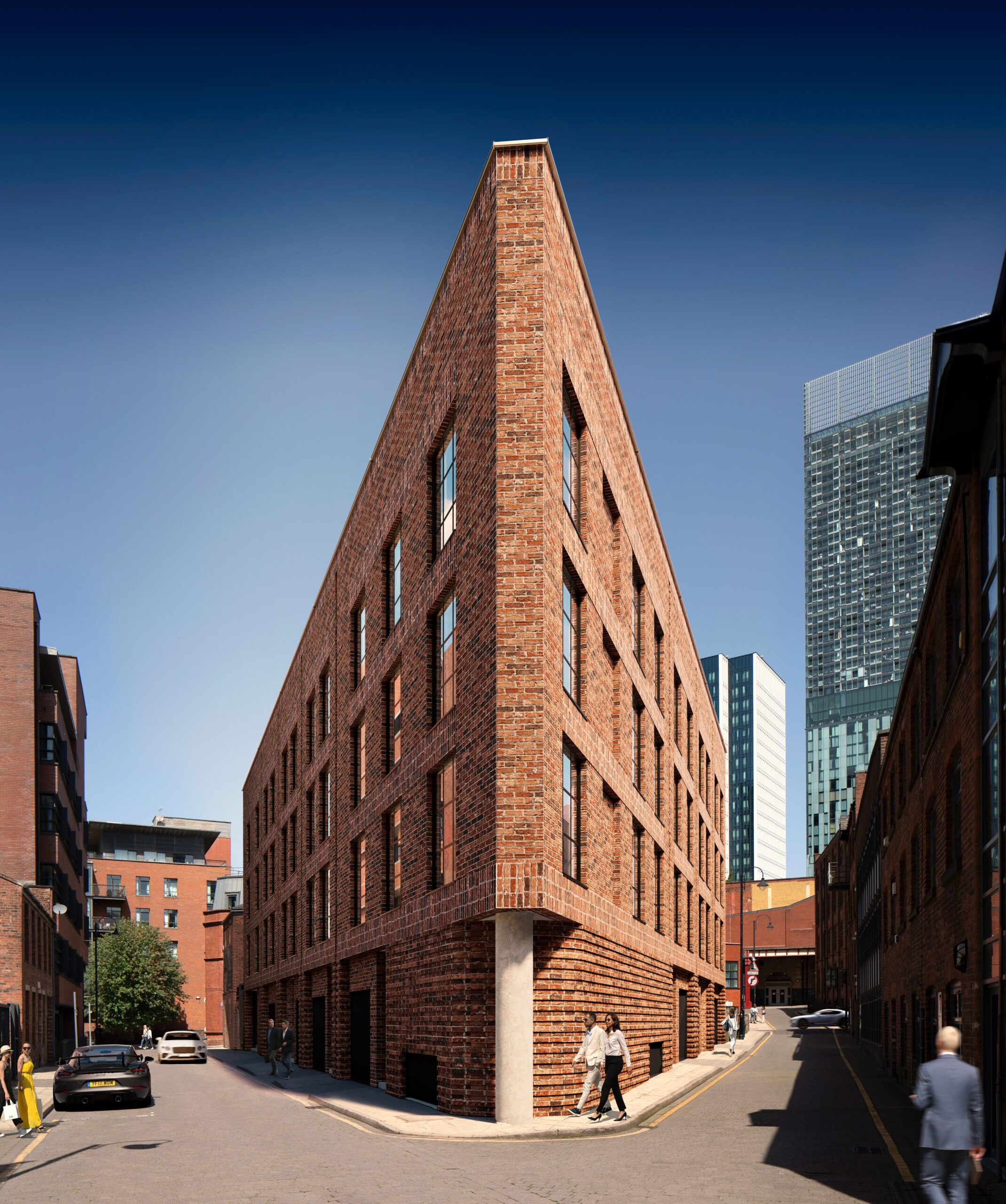
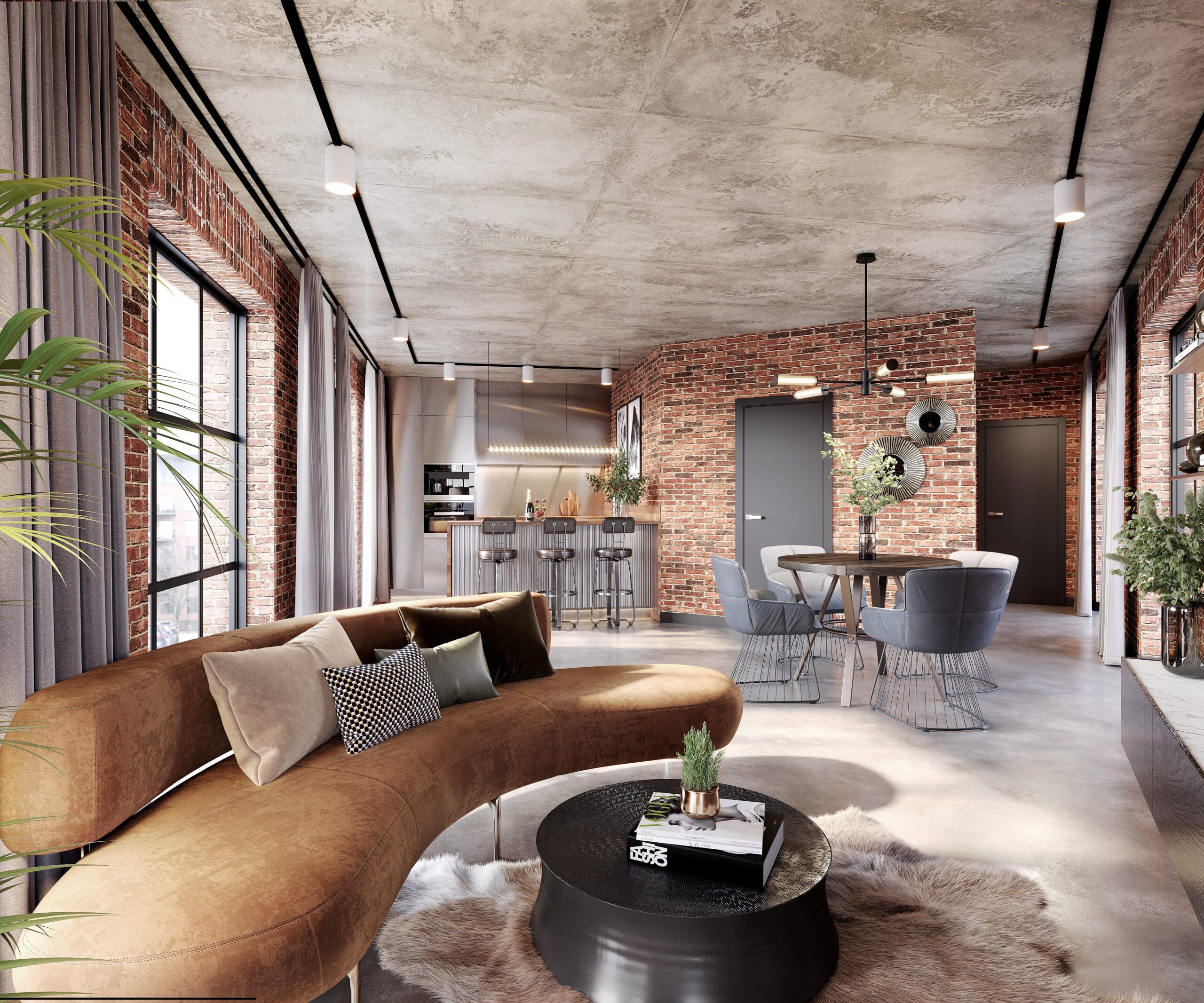
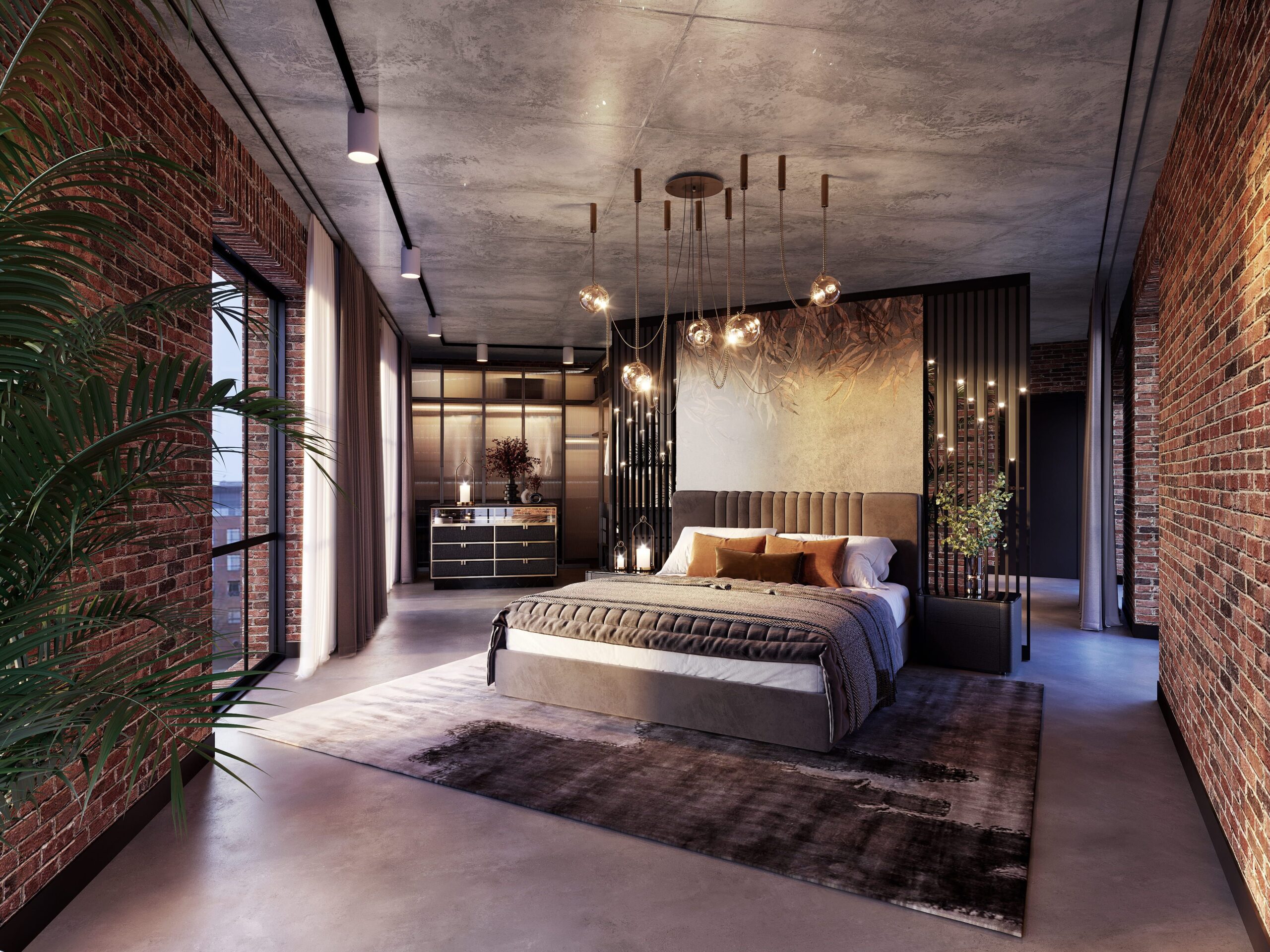
CGI Visuals: The 8, Castlefield Manchester
How CGI supports a campaign before completion
Marketing an unbuilt development presents an obvious challenge: the audience cannot visit the finished place.
They cannot step into the reception, experience the proportions of an apartment, see the view from a terrace or understand how the amenity spaces contribute to everyday life.
Architectural CGI helps close that gap.
Before construction is complete (or, in some cases, before it has begun) visualisation can give marketing and sales teams the material needed to introduce the development, establish its positioning and build a recognisable campaign.
Depending on the project, that content could include:
- exterior street-level images
- aerial or contextual views
- apartment interiors
- reception and entrance spaces
- shared lounges and co-working facilities
- gyms, cinemas and hospitality spaces
- balconies, terraces and landscaped areas
- animations and walkthrough films
- interactive or virtual-reality experiences
- crops and alternative formats for social and digital advertising
This content can support activity throughout the campaign, from early investor conversations and stakeholder sign-off to public launch and off-plan sales.
At VIVERE Residences, North Made created high-resolution exterior and interior CGIs, a virtual-reality tour and animated walkthroughs before the development existed physically. The material was used for visual marketing, investor relations, pre-launch sales collateral and stakeholder communication. North Made also worked with the developer’s design and sales teams to keep the visuals aligned with the architectural drawings, material palette and brand guidelines. (Vivere, North Made case study)
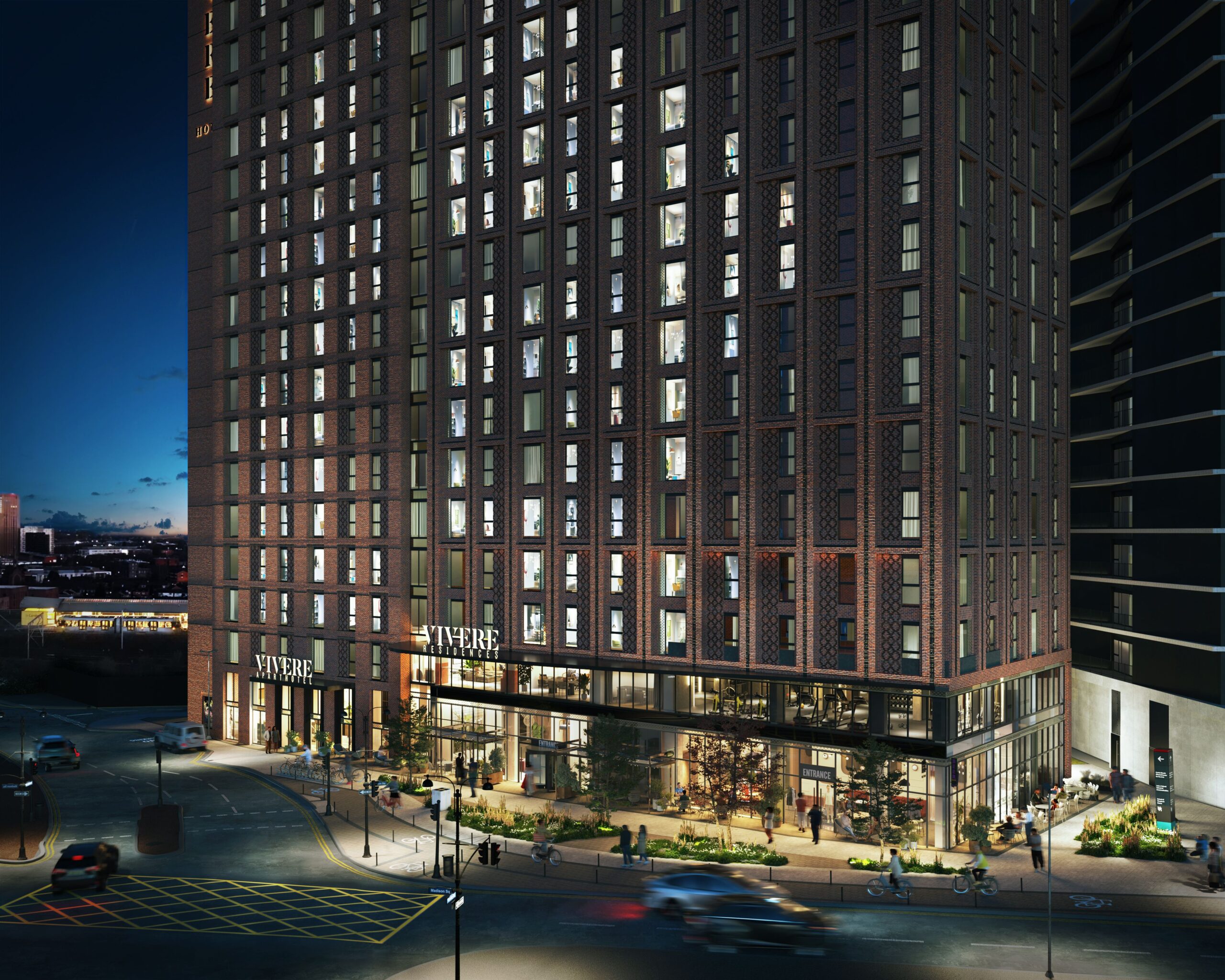
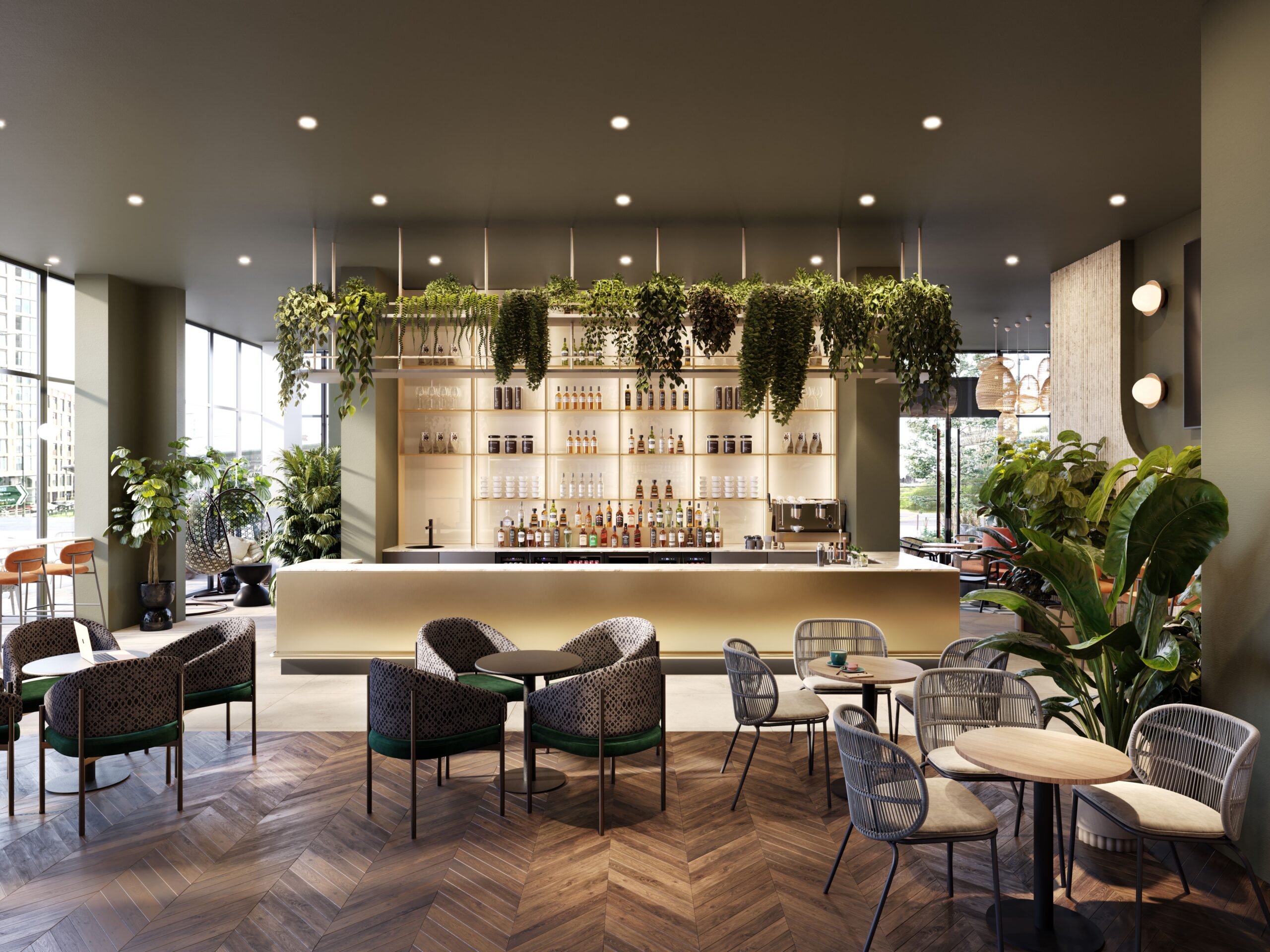
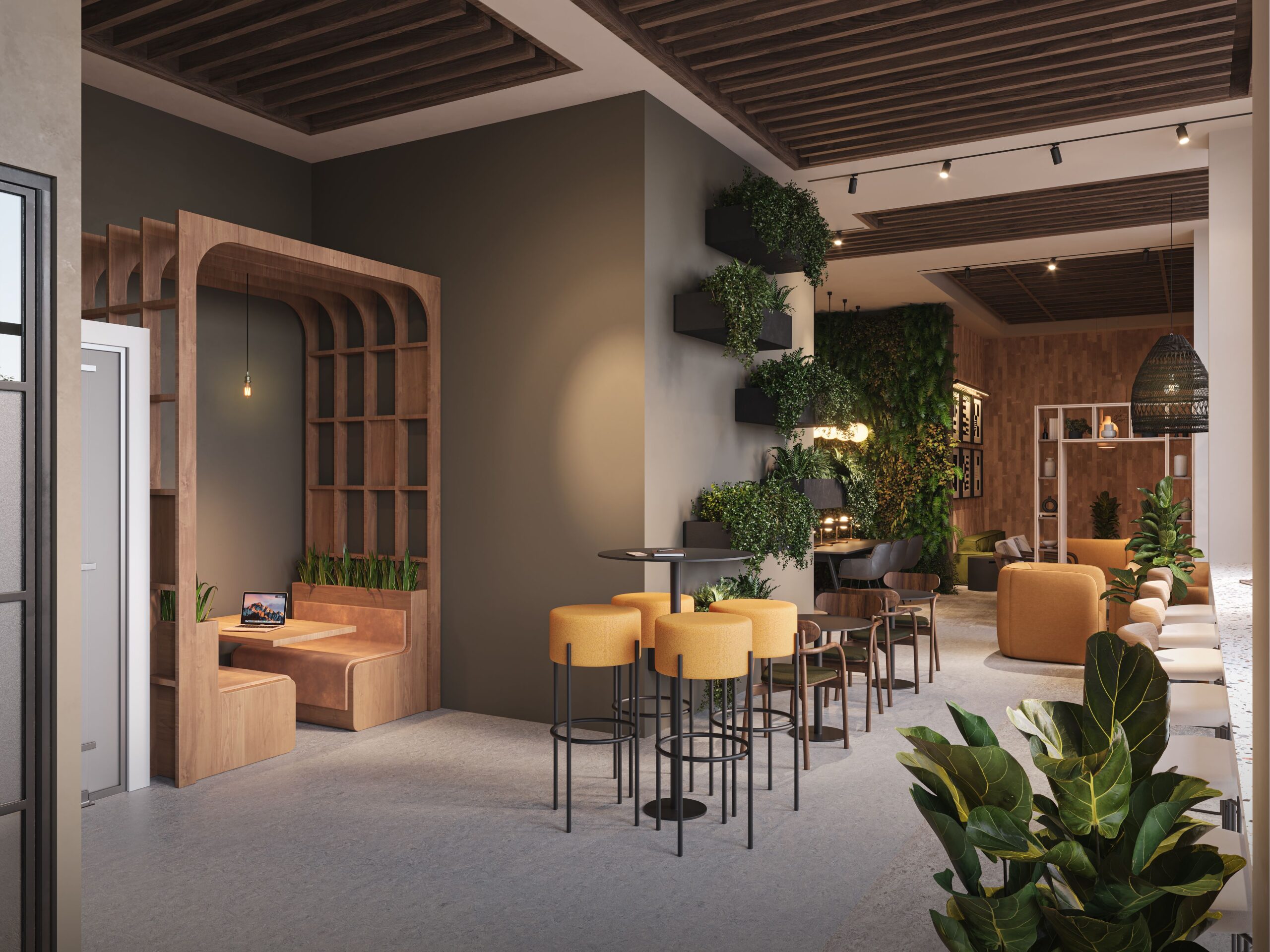
CGI Visuals: Vivere, Manchester
That is an important distinction. CGI was not simply illustrating a completed marketing concept. It was helping to create the visual foundation from which the campaign could be built.
Creating consistency across websites, social media, brochures and sales materials
Property campaigns operate across many touchpoints.
A prospective buyer might first see an advertisement on social media, visit the development website, download a brochure, receive an email from an agent and later attend a sales appointment.
Each interaction should feel as though it belongs to the same development.
When CGI is commissioned without a wider visual plan, inconsistencies can appear:
- exterior and interior images use noticeably different styles
- the CGI feels premium while the brand materials feel generic
- colour, lighting and atmosphere vary unpredictably
- the development appears to target different audiences across different channels
- marketing teams lack the image formats or compositions needed for particular platforms
Consistency does not mean repeating the same image everywhere. It means creating a coherent visual language.
That could include common decisions around:
- mood and lighting
- material representation
- styling and furniture
- people and lifestyle cues
- colour palette
- image composition
- the balance between architecture and atmosphere
- how the development’s location is represented
The resulting images should work individually while still feeling like part of the same world.
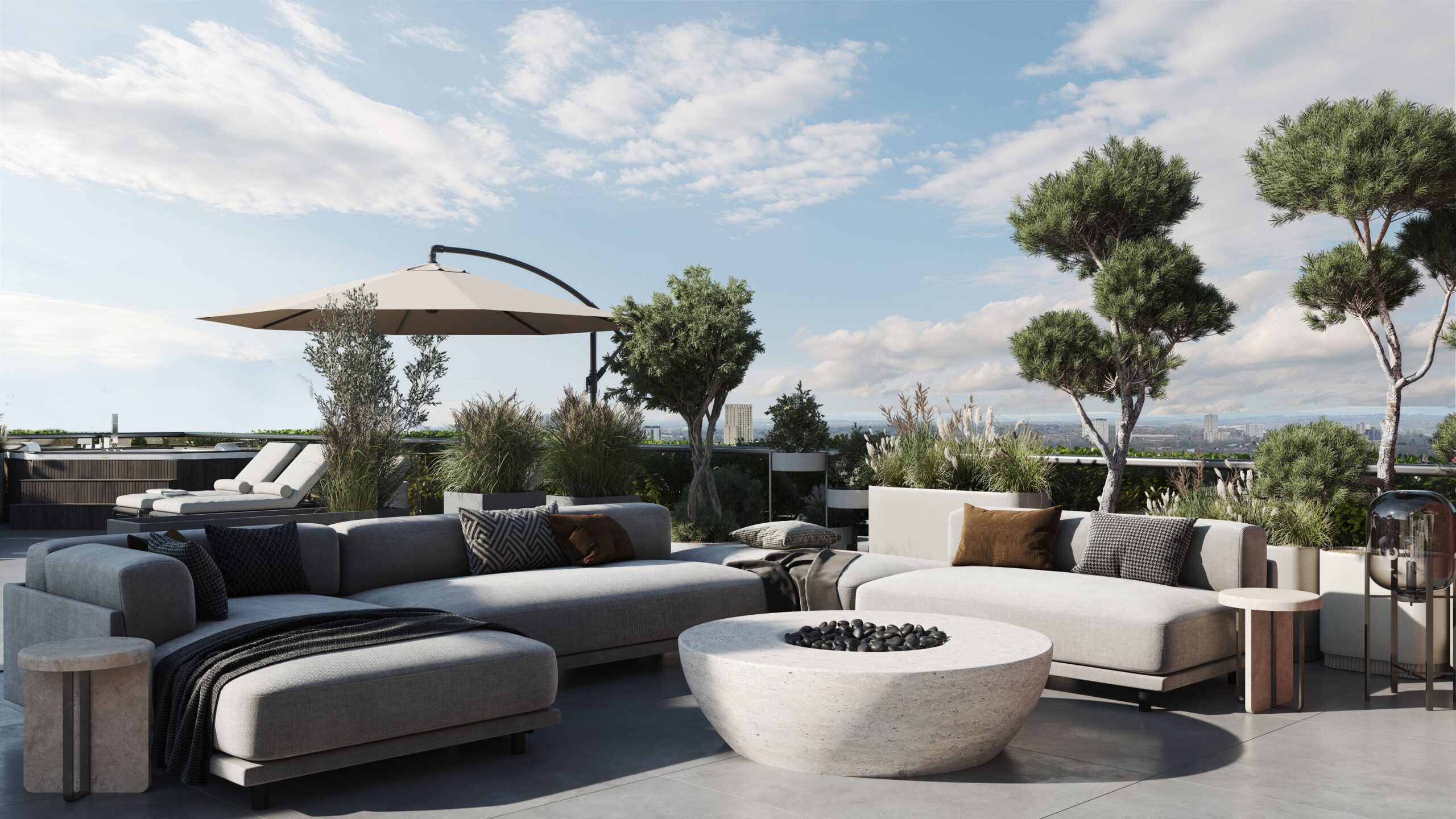
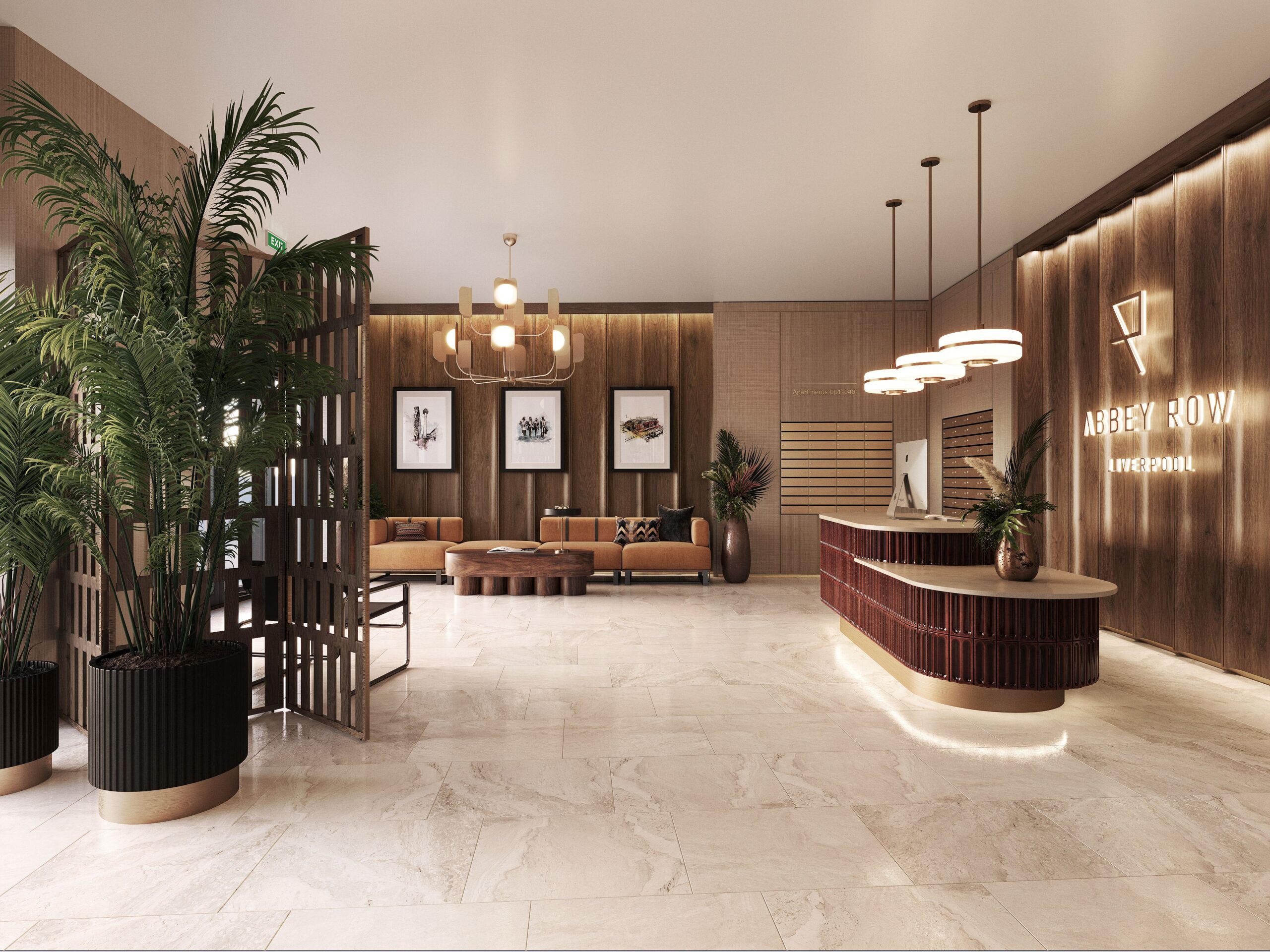
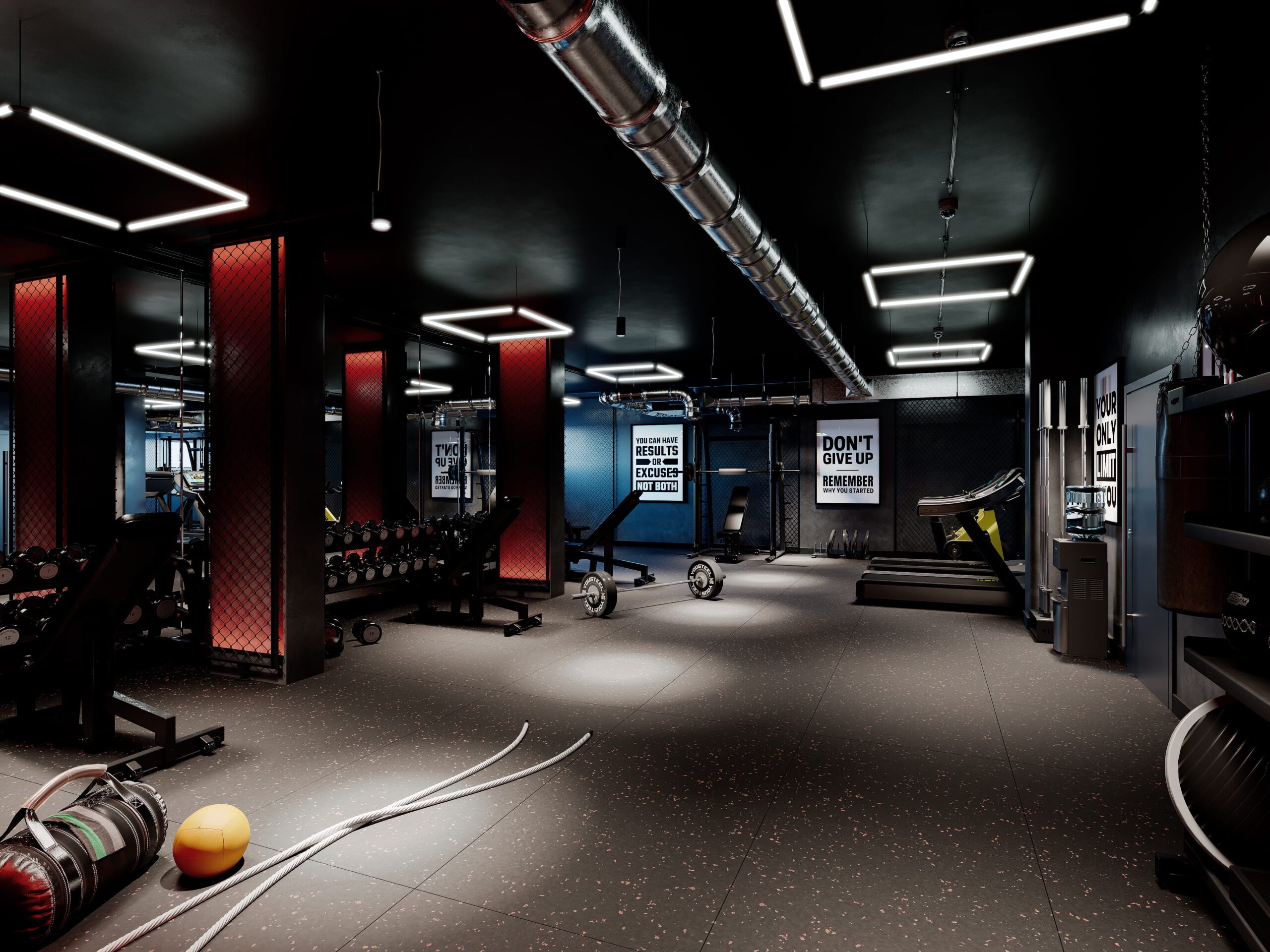
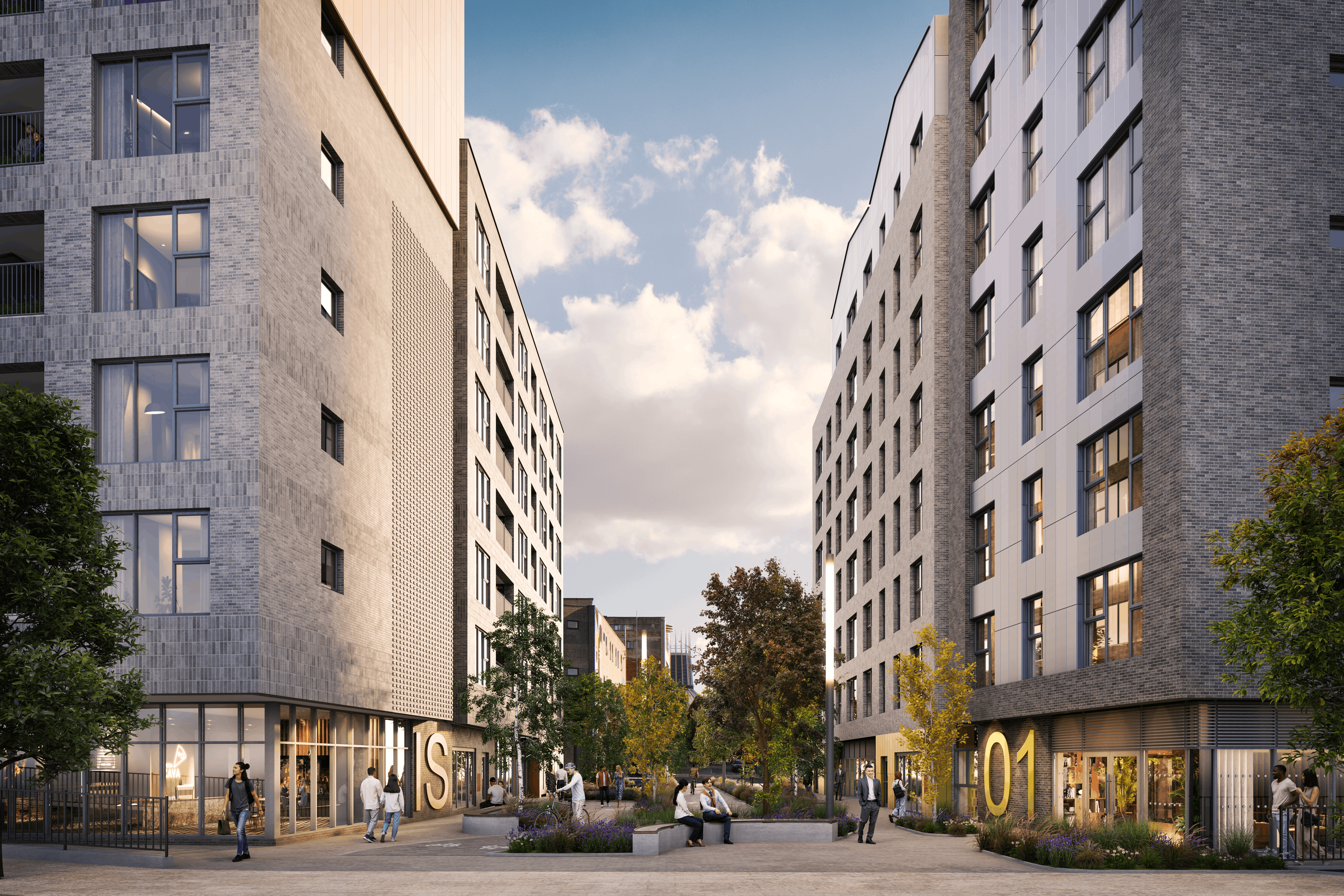
The visual package for Abbey Row in Liverpool included exterior CGI, apartment and communal-space interiors, VR apartment tours and a cinematic animation. The exterior images were prepared for uses including digital marketing, investor decks and large-format promotional materials, while the VR and animation created a more interactive journey through the scheme. This combined approach gave the campaign different forms of content without losing the overall architectural and lifestyle narrative. (Abbey Row, North Made Case Study)
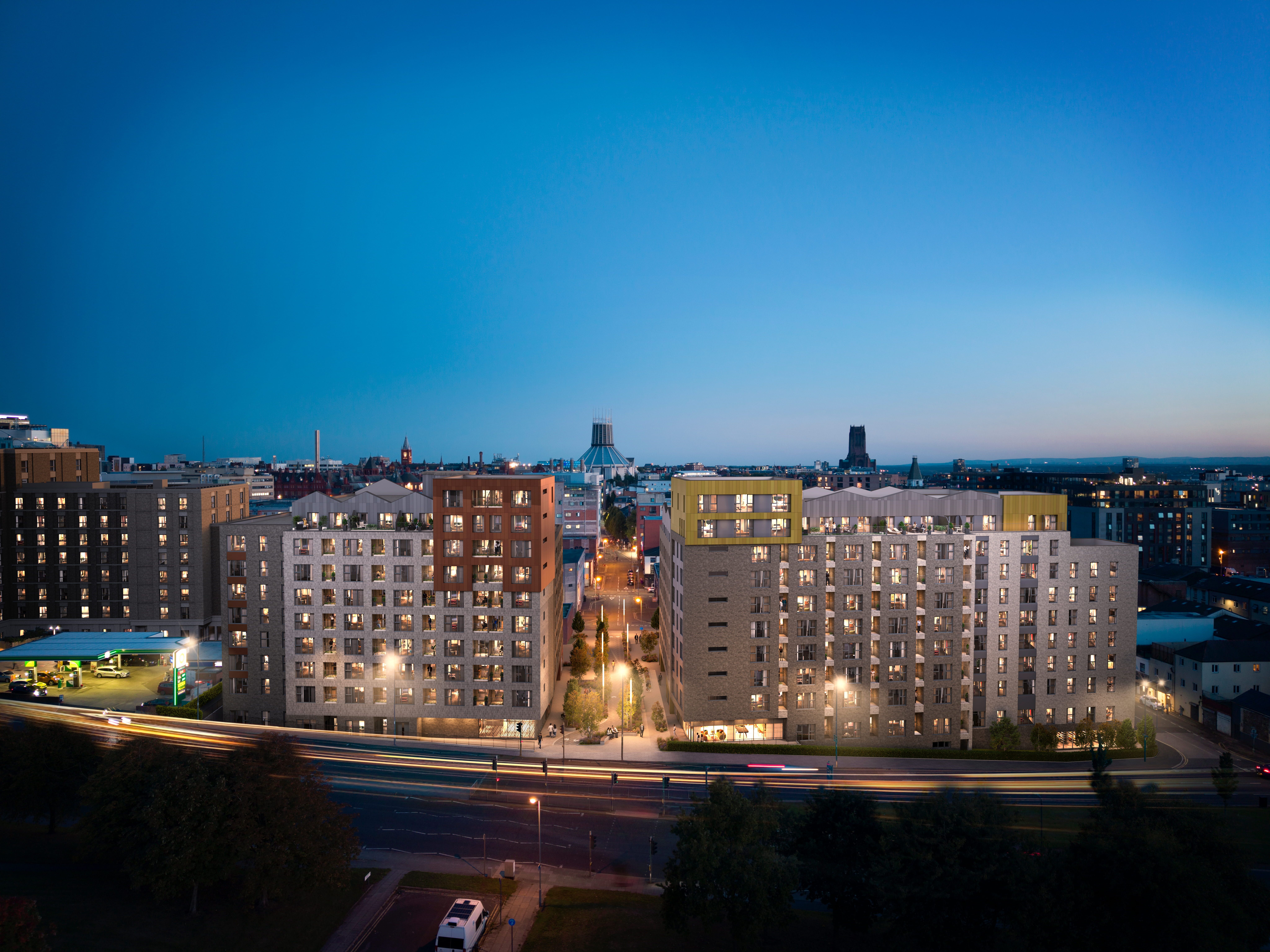
CGI Visuals: Abbey Row, Liverpool
Matching imagery to the target audience
A strong property visual should not only show the design accurately. It should also help the intended audience recognise the relevance of that design.
The same apartment could be presented very differently depending on whether the target audience is:
- a first-time buyer
- a city-centre professional
- an overseas investor
- a family
- a downsizer
- a luxury buyer
- a student or recent graduate
- a short-stay hospitality customer
This does not mean relying on stereotypes or filling an image with obvious props. It means making deliberate decisions about the story being communicated.
For example:
- Which spaces will matter most to this audience?
- Should the imagery prioritise entertaining, working from home or family life?
- Is location and connectivity a key part of the proposition?
- Are communal amenities central to the offer?
- Should the atmosphere feel energetic, peaceful, exclusive or sociable?
- What level of styling best reflects the development’s intended position?
People are more likely to connect with an unbuilt space when they can understand how it might fit into their lives.
The most useful CGI therefore communicates more than floor area, materials and furniture. It helps make the intended experience of the development visible.
Why marketing teams should be involved in the visual brief
CGI is sometimes commissioned primarily through the architectural or design team, with marketing introduced after the main visual decisions have already been made.
While architectural accuracy is essential, involving marketing teams earlier can produce a more useful and versatile set of assets.
Marketing teams can provide valuable direction on:
- the target audiences
- the development’s market position
- the key campaign messages
- planned launch stages
- website and brochure requirements
- advertising formats
- PR opportunities
- social-media content
- sales-team needs
- the balance between rational information and emotional appeal
This insight allows the visual brief to consider not only what should be shown, but how and where the resulting content will be used.
It can also avoid practical problems later. A beautiful landscape image may be difficult to use in a vertical social advert. A tightly cropped composition may leave no space for campaign copy. A limited set of views may not provide enough content to sustain a longer pre-launch programme.
Early collaboration between the developer, architect, marketing team, sales team and visualisation studio makes it easier to identify those requirements before production begins.
The result is not necessarily more CGI. It is CGI with clearer roles.
When should developers commission CGI?
There is no universal point at which every developer should commission architectural CGI. The right timing depends on what the visualisation needs to support and how developed the design is.
However, CGI should generally be discussed before the marketing campaign requires finished assets, rather than being treated as a last-minute production task.
A useful timeline might include the following stages.
Early campaign planning
At this point, the developer and marketing team can define the audiences, positioning, campaign stages and content requirements.
The aim is not necessarily to begin every final image immediately. It is to establish what will be needed and how the visual package should work.
When sufficient design information is available
The CGI studio will need reliable architectural information, such as drawings, models, material specifications and interior direction.
Commissioning too early can lead to extensive revisions if the design changes. Commissioning too late can put unnecessary pressure on production and limit the opportunity for strategic input.
Before website, brochure and launch production
Key campaign visuals should be planned before designers begin building marketing materials around them.
This allows website layouts, brochures, advertisements and sales presentations to be developed using the correct images and formats from the outset.
In phases, where appropriate
Not every asset needs to be completed at once.
An initial phase might focus on investor or stakeholder materials. A second phase might support the public launch. Later content could reveal additional interiors, amenities or lifestyle elements to maintain interest throughout the campaign.
A phased approach can help the visual story develop alongside the project and marketing programme.
Can CGI be used across a whole property marketing campaign?
Yes. Architectural CGI can be developed for use across websites, brochures, social media, digital advertising, PR, sales presentations, investor materials, large-format displays, animation and immersive experiences.
However, using CGI across a whole campaign works best when its applications are considered at the briefing stage.
Simply resizing one hero image for every platform is unlikely to produce the strongest result. Different channels have different formats, viewing behaviours and communication needs.
The objective should be to create a coordinated suite of assets that can be adapted intelligently. Not to force one image to do every job.
Frequently asked questions
What is property marketing CGI?
Property marketing CGI is computer-generated imagery created to communicate and promote a property or development, often before it has been built or completed.
It can include exterior and interior images, aerial views, animations, virtual tours and other visual assets designed for use across property websites, brochures, advertising, investor presentations and sales materials.
How is CGI used in property marketing?
CGI can help introduce an unbuilt development, communicate its design and location, demonstrate interior quality, present amenities, establish a lifestyle proposition and give marketing teams content for campaign activity.
It may also help investors, agents, stakeholders and prospective buyers understand a development before they can experience it physically.
Can the same CGI be used for websites, brochures and social media?
Yes, but the different formats and uses should ideally be planned in advance.
A website banner, brochure spread, square social post and vertical advertisement may each require different crops or compositions. Discussing these needs during the brief makes the final content more versatile.
When should developers commission CGI?
Developers should begin planning CGI once there is enough design certainty to create reliable visuals and before the campaign requires final marketing assets.
The ideal timing will depend on the project, but early conversations between the developer, design team, marketing team and visualisation studio can help prevent rushed production and ensure that the imagery supports the full campaign.
CGI should be planned as part of the campaign. Not added at the end.
The strongest property marketing CGI does more than make a development look attractive.
It helps define how the project is presented, gives audiences a clearer understanding of an unbuilt place and provides marketing and sales teams with content that works across the full campaign.
That begins by moving beyond the question:
What images do we need?
And asking instead:
Who do we need to reach, what do they need to understand, and what role should each visual play?
When those questions shape the brief, architectural CGI can become more than a hero image. It becomes part of the campaign’s communication strategy.
Planning a property campaign before the development is complete?
Talk to North Made about building a visual strategy around the audiences you need to reach.