One of the most expensive assumptions in CGI is that one beautiful image can do every job.
A striking architectural CGI can capture attention, communicate design intent and bring an unbuilt development to life. But the same image won’t necessarily answer the questions being asked by a prospective buyer, a planning officer or an investor. Each audience approaches a development with different priorities.
A buyer might want to imagine themselves living in a space. A planning officer may need to understand how the proposed building relates to its surroundings. An investor might be interested in the development’s overall proposition, scale and commercial potential. And while all three could be looking at exactly the same scheme, they don’t necessarily need to see it in the same way.
This is why effective architectural visualisation starts with understanding the audience, not simply selecting the most attractive viewpoint. For developers and multidisciplinary project teams, planning CGI around these different requirements can help create a more purposeful collection of visuals that supports the development throughout its lifecycle.
Why audience should come before camera angle
When commissioning CGI, it’s natural to start thinking about what the finished images should look like. Which façade should we show? Would an aerial view work? Should the image be captured at sunset? These are important creative decisions, but they shouldn’t necessarily be the first ones.
Before choosing a viewpoint, it’s worth asking three questions:
- Who is going to see this image?
- What do they need to understand or feel?
- What is the image ultimately intended to achieve?
The answers can significantly influence the direction of the CGI.
For example, a dramatic, atmospheric exterior might make an excellent hero image for a residential marketing campaign. However, that same viewpoint may not provide enough information about the development’s relationship with neighbouring buildings for planning purposes. Similarly, a wide aerial CGI might communicate the scale of a masterplan to investors but offer relatively little insight into the experience of living inside an individual apartment. Neither image is necessarily better than the other. They’re simply communicating different things.
The most effective CGI is not always the most dramatic image. It’s the image that communicates the right information to the right audience.
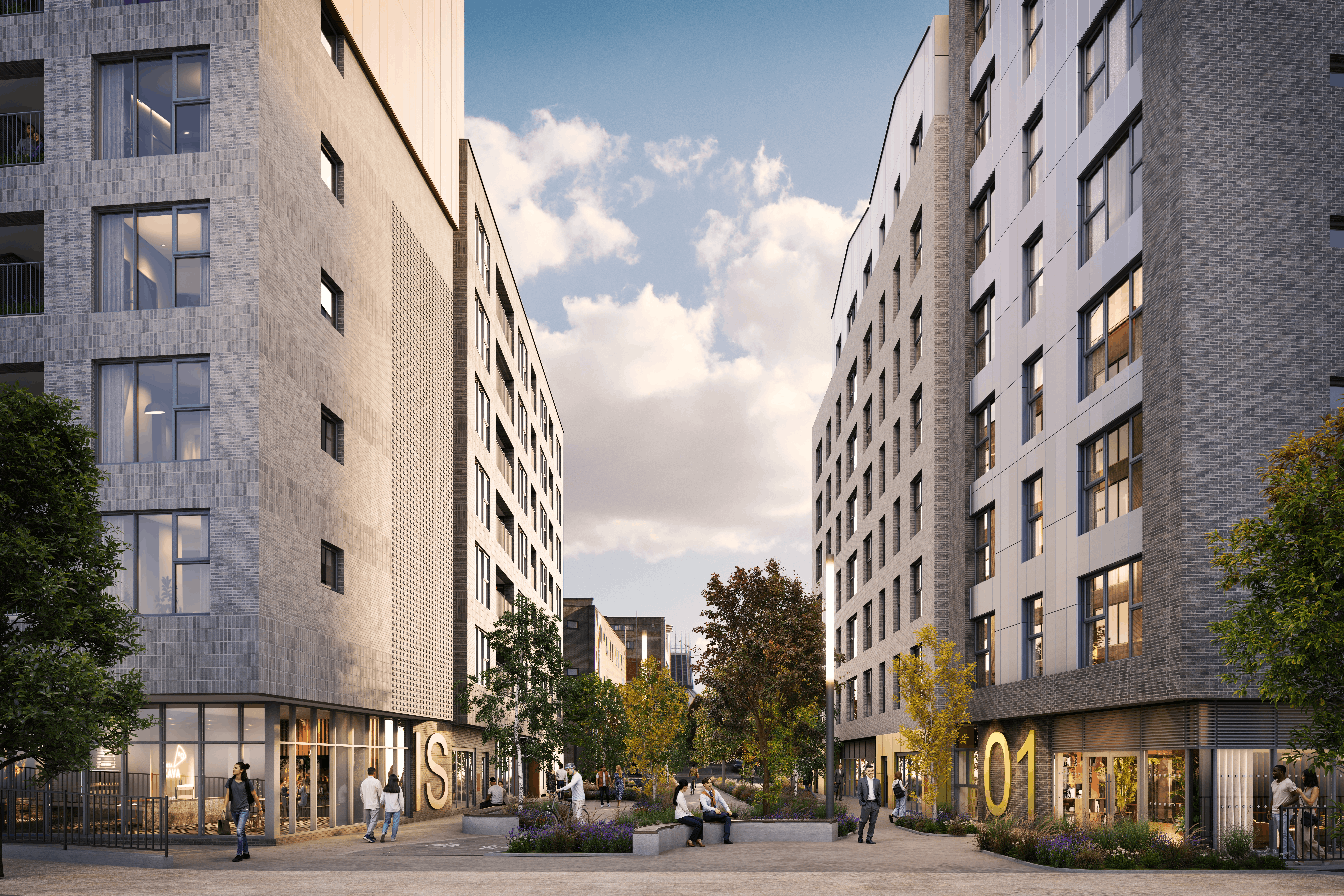
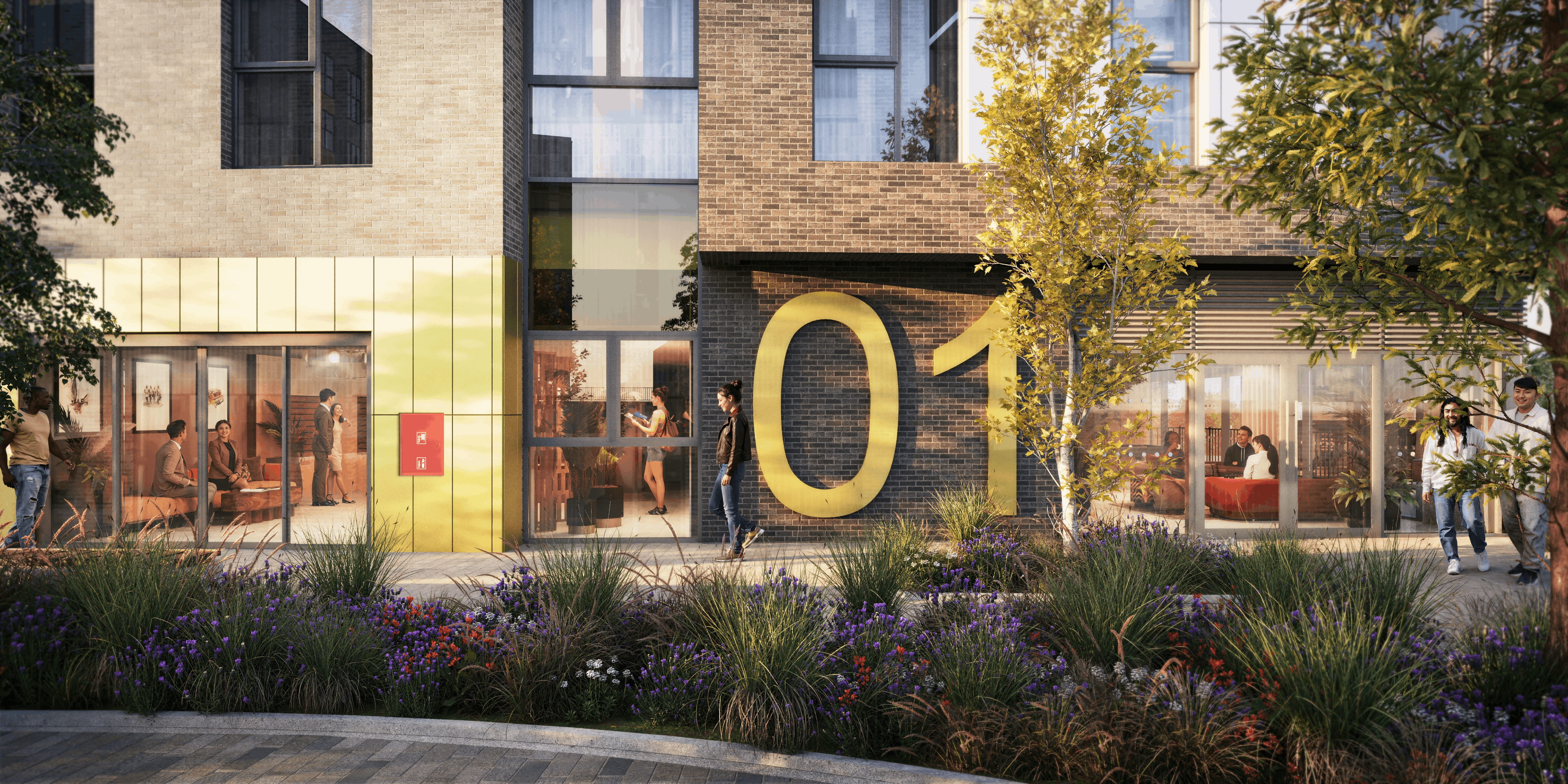
An example of one development, two perspectives.
CGI Visuals: Abbey Row, Liverpool
What do buyers need from architectural CGI?
For prospective buyers, particularly those considering an off-plan property, CGI often provides one of the first opportunities to understand a home that doesn’t yet exist. Architectural drawings and specifications contain valuable information, but they don’t always communicate what a space will actually feel like.
Buyers may want to understand:
- The appearance and character of the development.
- How rooms connect and function.
- The quality of materials and finishes.
- The relationship between internal and external spaces.
- The lifestyle associated with the property.
- The amenities and shared spaces available.
This is where marketing CGI can become particularly valuable.
Carefully considered interior visuals can help prospective buyers interpret layouts, understand proportions and picture how a room might be used. Meanwhile, exterior CGIs can communicate the development’s architectural identity, landscaping and arrival experience. For developments with extensive amenities, additional imagery may be needed to communicate the wider lifestyle offering.
How can CGI help sell a residential development before completion?
CGI allows developers and marketing teams to present a proposed property before construction is complete.
Rather than relying solely on floor plans and written descriptions, prospective buyers can explore visual representations of the architecture, interiors, materials and amenities. Animation and interactive VR tours can extend this experience, allowing audiences to understand spaces through movement and exploration.
However, these assets work most effectively when they’re planned around the buyer journey. An exterior hero image may attract initial interest, while interior CGIs, floor plans and VR experiences can provide additional information as buyers move further through the decision-making process.
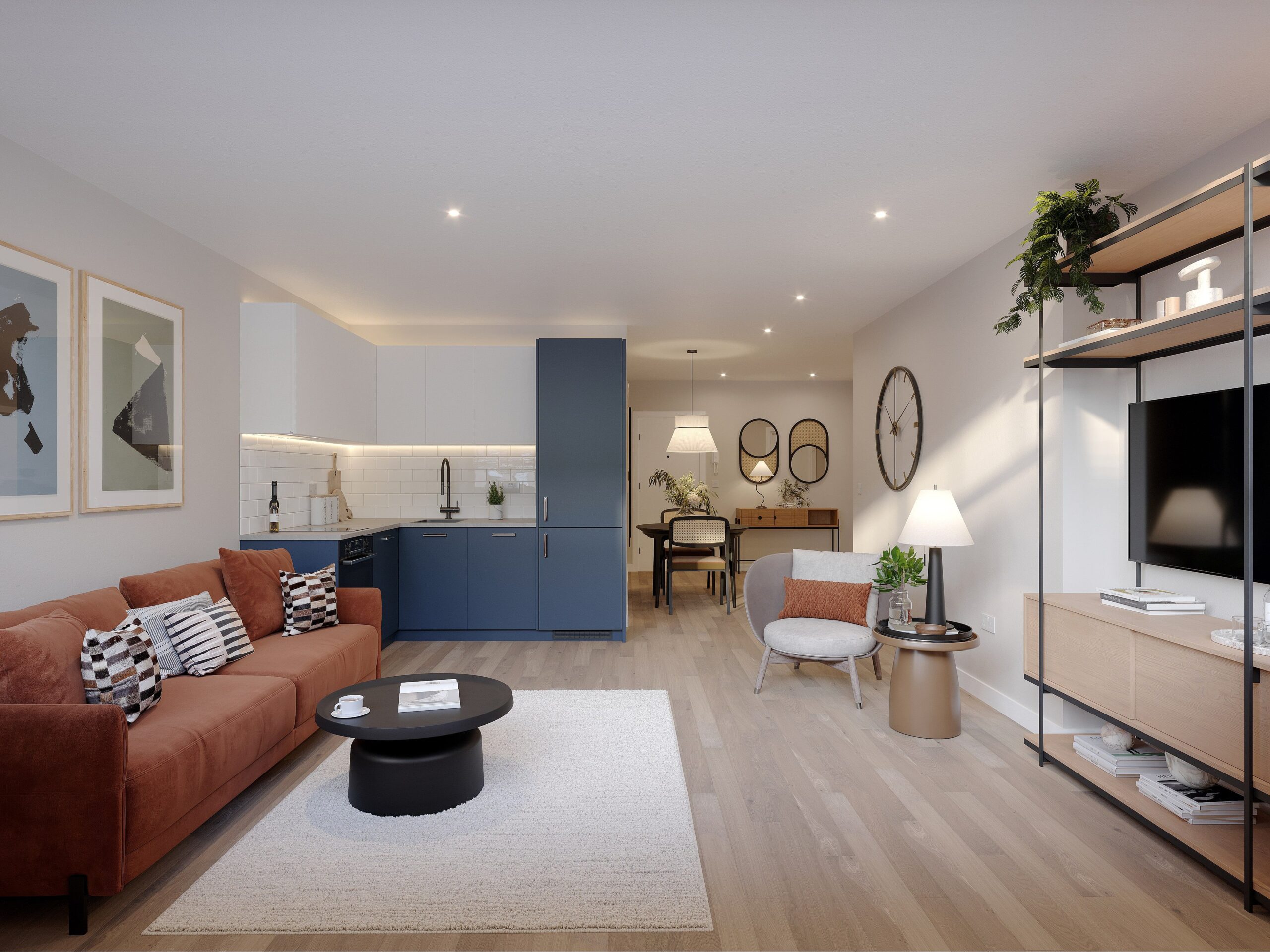
An example of a Buyer-focused interior CGI.
CGI Visual: Thames Grove, Gravesend
What do planners need from architectural CGI?
Planning imagery has a different primary purpose.
Rather than focusing predominantly on lifestyle or emotional appeal, planning CGIs generally need to help communicate a proposal clearly and accurately within its intended context. Depending on the scheme and the relevant planning requirements, this could include:
- The building’s scale, height and massing.
- Its relationship with neighbouring properties.
- The proposed materials and architectural treatment.
- The development’s impact on streets and public spaces.
- Landscaping and the surrounding environment.
- Key views from relevant locations.
A planning-focused CGI may therefore benefit from a more neutral presentation, carefully selected viewpoints and an accurate representation of the surrounding environment. For example, a photomontage can combine photography of an existing location with a proposed development to help viewers understand how the scheme could appear within its real-world setting. The requirements will vary depending on the project and the planning authority. Where formal verified views or visual impact assessments are required, the imagery must follow the relevant methodology rather than relying on a standard marketing render.
Can marketing CGI be used for planning?
Sometimes, yes.
A marketing CGI can help communicate a proposal’s appearance and architectural character, provided it accurately represents the design and is suitable for the intended planning purpose. However, a highly stylised marketing image shouldn’t automatically be treated as a substitute for planning-specific visual material. A different camera position, lighting approach or level of surrounding context may be necessary to communicate the information required.
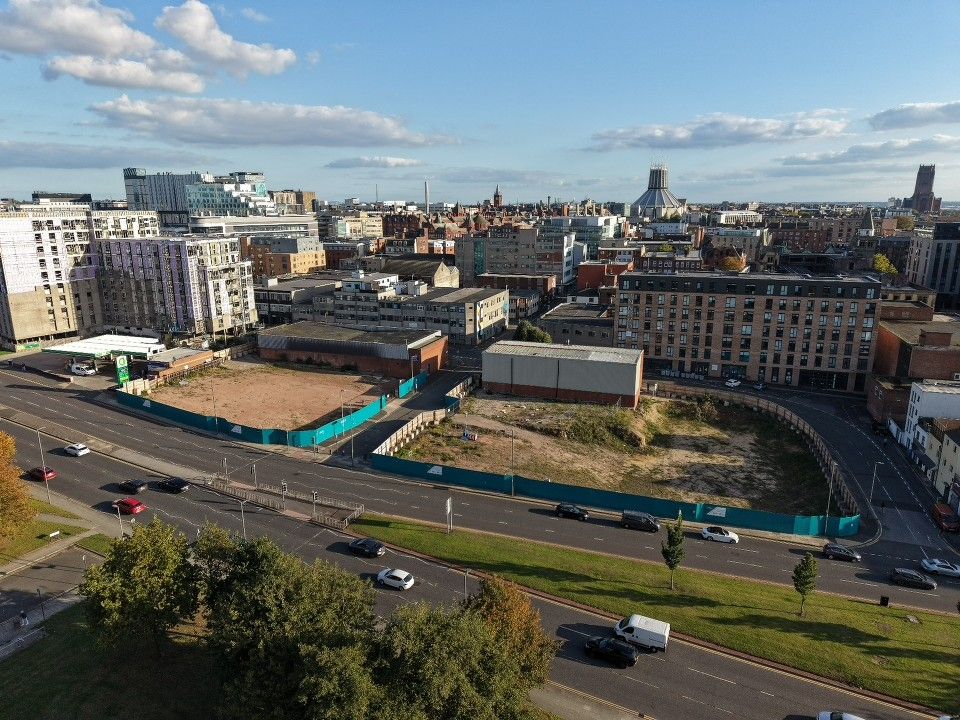
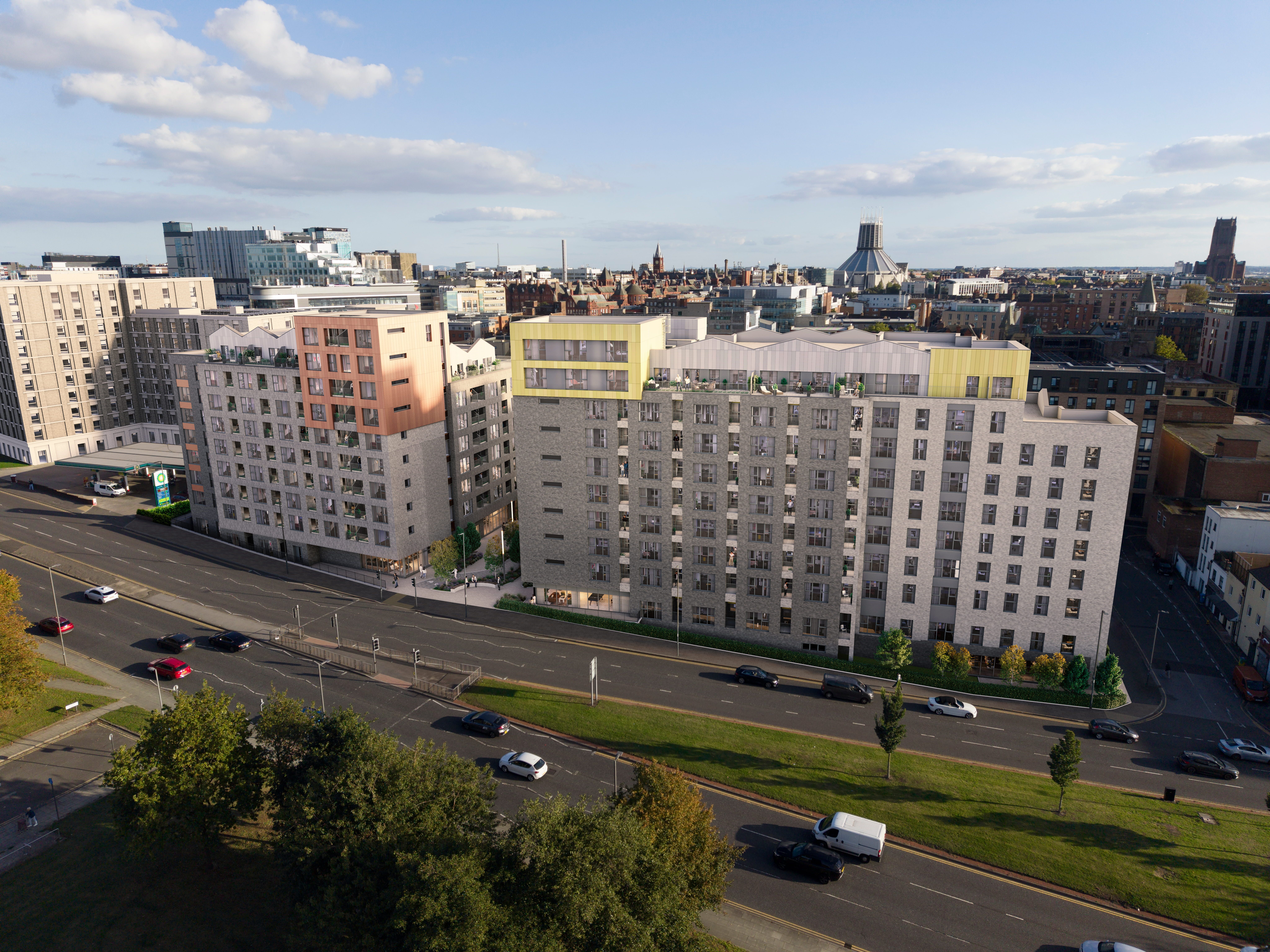
An example of a Photomontage.
Photography & CGI Visual: Abbey Row, Liverpool
What do investors need from architectural visualisation?
Investors may approach a development from a different perspective again.
While architecture, design and visual quality remain relevant, the imagery may need to communicate the wider proposition rather than concentrating solely on individual spaces. Depending on the investment and the stage of the project, investors might want to understand:
- The overall scale and composition of the scheme.
- The relationship between different buildings or phases.
- The development’s location and surrounding context.
- The proposed mix of uses.
- The quality and positioning of the finished development.
- The facilities and amenities that contribute to its proposition.
For a large residential development, an aerial CGI might communicate the overall scale and setting more effectively than a close-up of an apartment interior. For a commercial scheme, a combination of exterior imagery and internal workspace CGIs could help illustrate the proposed building and its intended occupier experience. However, CGI alone cannot establish financial viability, investment returns or commercial performance. It should support, rather than replace, the underlying project information.
CGI as part of an investment presentation
When used alongside site information, development specifications, financial documentation and project timelines, architectural visualisation can help investors understand what is being proposed. The objective is to communicate the development clearly and give visual context to the wider investment proposition.
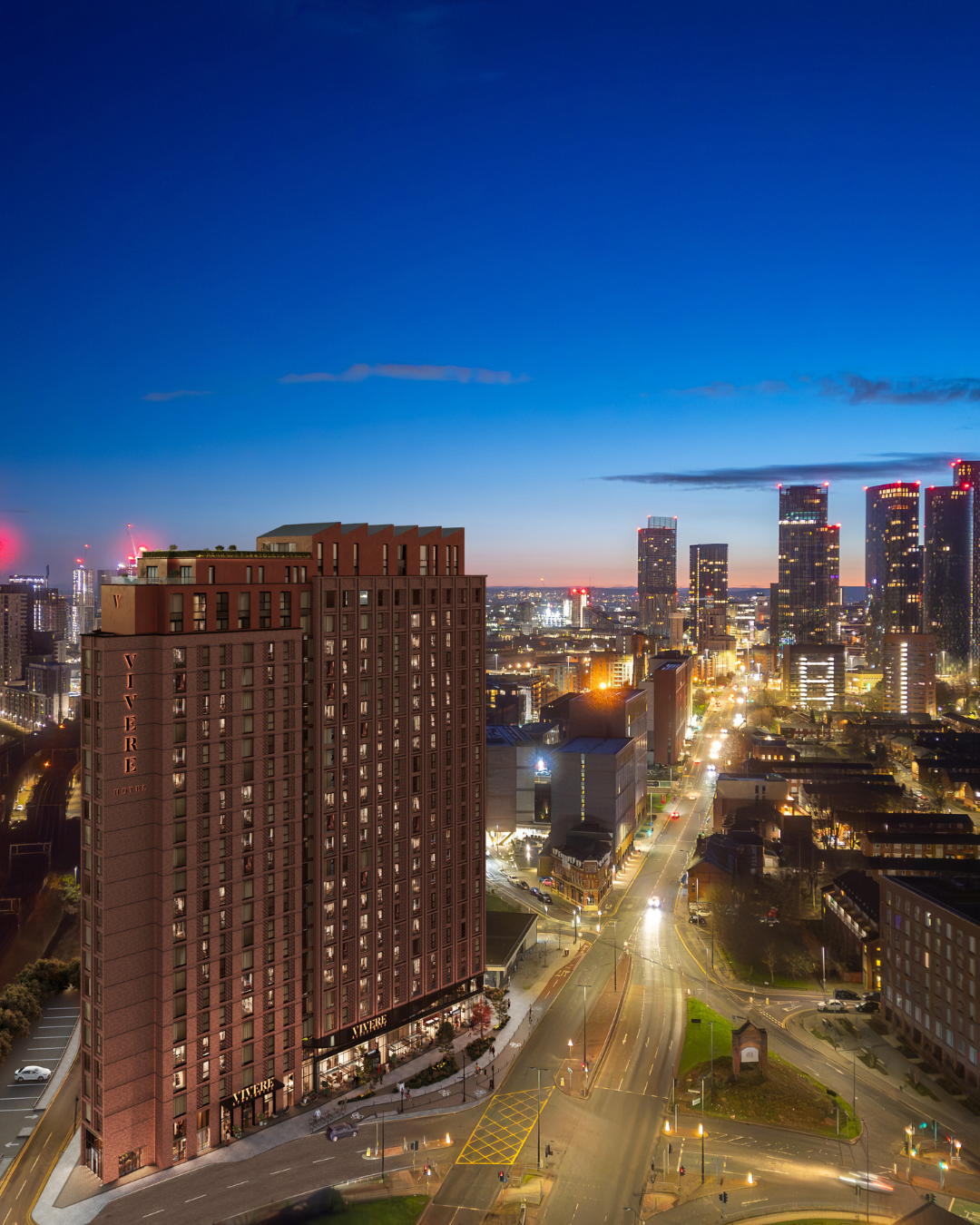
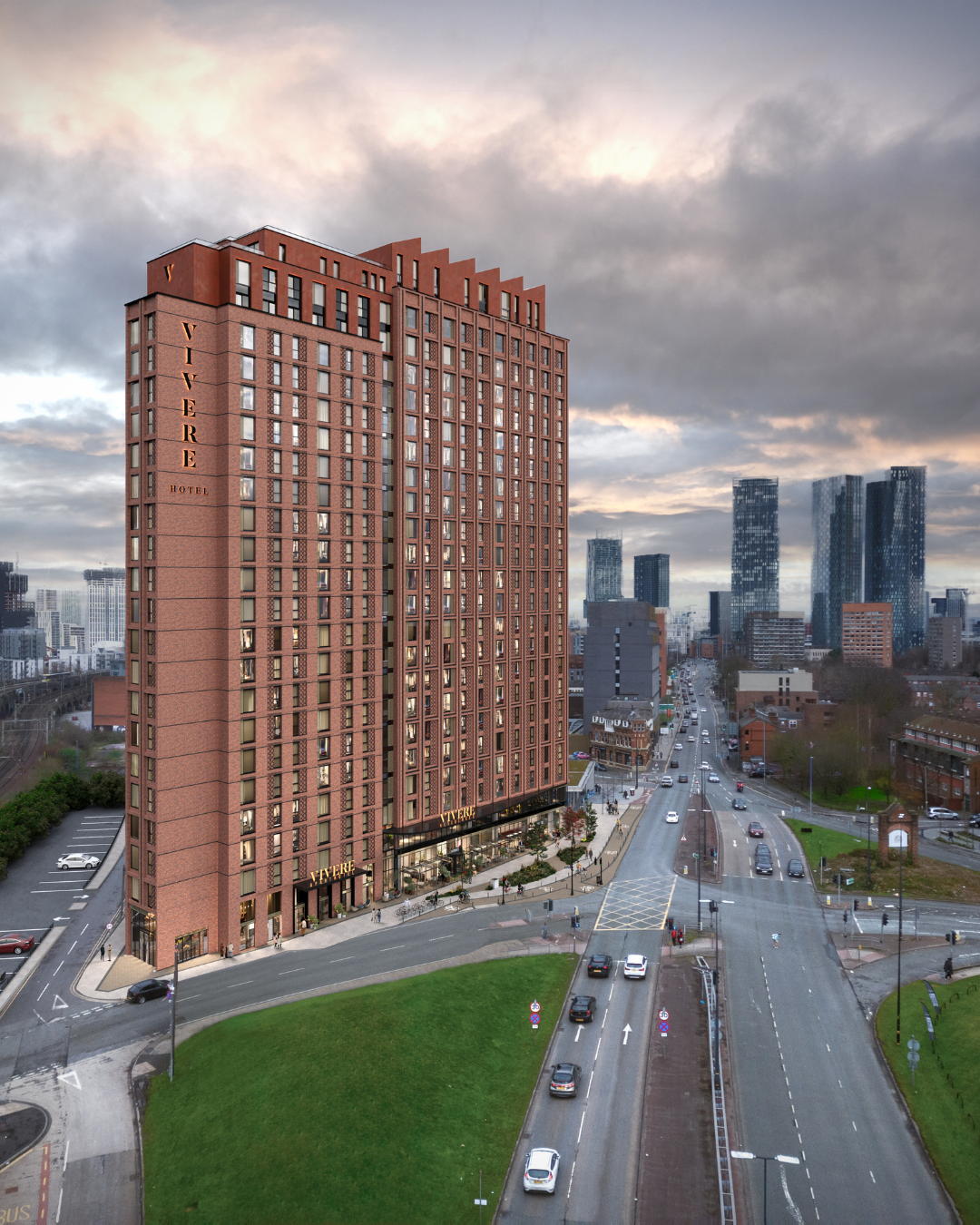
Example of how a visual communicates the overall development, its setting and scale.
CGI Visuals: Vivere, Manchester.
What do internal design teams need?
Not every CGI is created for an external audience.
Architects, interior designers, developers and consultants may also use architectural visualisation to review and communicate design decisions before a scheme is finalised. In this context, the purpose of the imagery may be less about promoting the development and more about understanding it. A design team might use CGI to explore:
- Material combinations and façade treatments.
- Interior layouts and furniture arrangements.
- Lighting and atmosphere.
- Architectural details.
- Landscaping proposals.
- Alternative design options.
For example, an interior designer might want to compare different finishes or furniture arrangements before committing to a final specification. An architect may need to understand how different façade materials interact, or how a proposed design appears from a particular viewpoint. This type of CGI can become a useful communication tool between disciplines. It gives different members of the project team a shared visual reference, helping them discuss decisions that may be more difficult to interpret through drawings and specifications alone.
Why this matters for the final marketing imagery
When design decisions are explored and resolved early, there can be greater clarity when the project moves into marketing production. The same underlying model may also provide a useful foundation for subsequent imagery, subject to the level of detail and accuracy required. However, the final marketing visuals may still need additional styling, lighting, camera development and art direction.
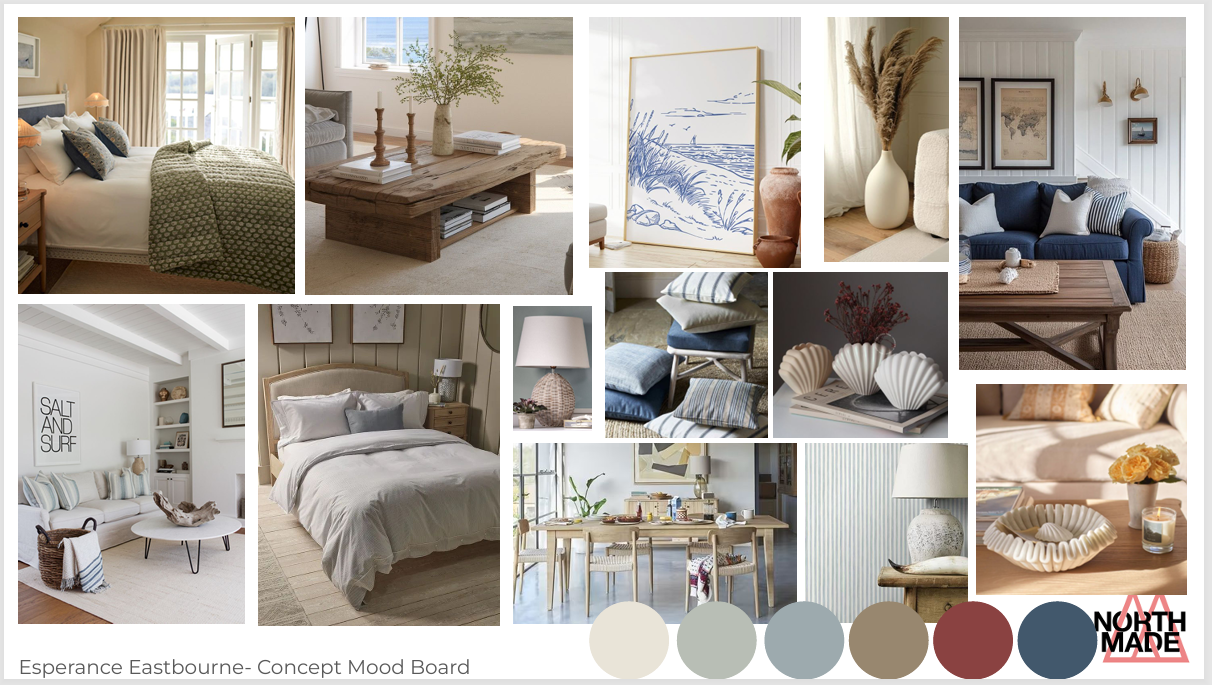
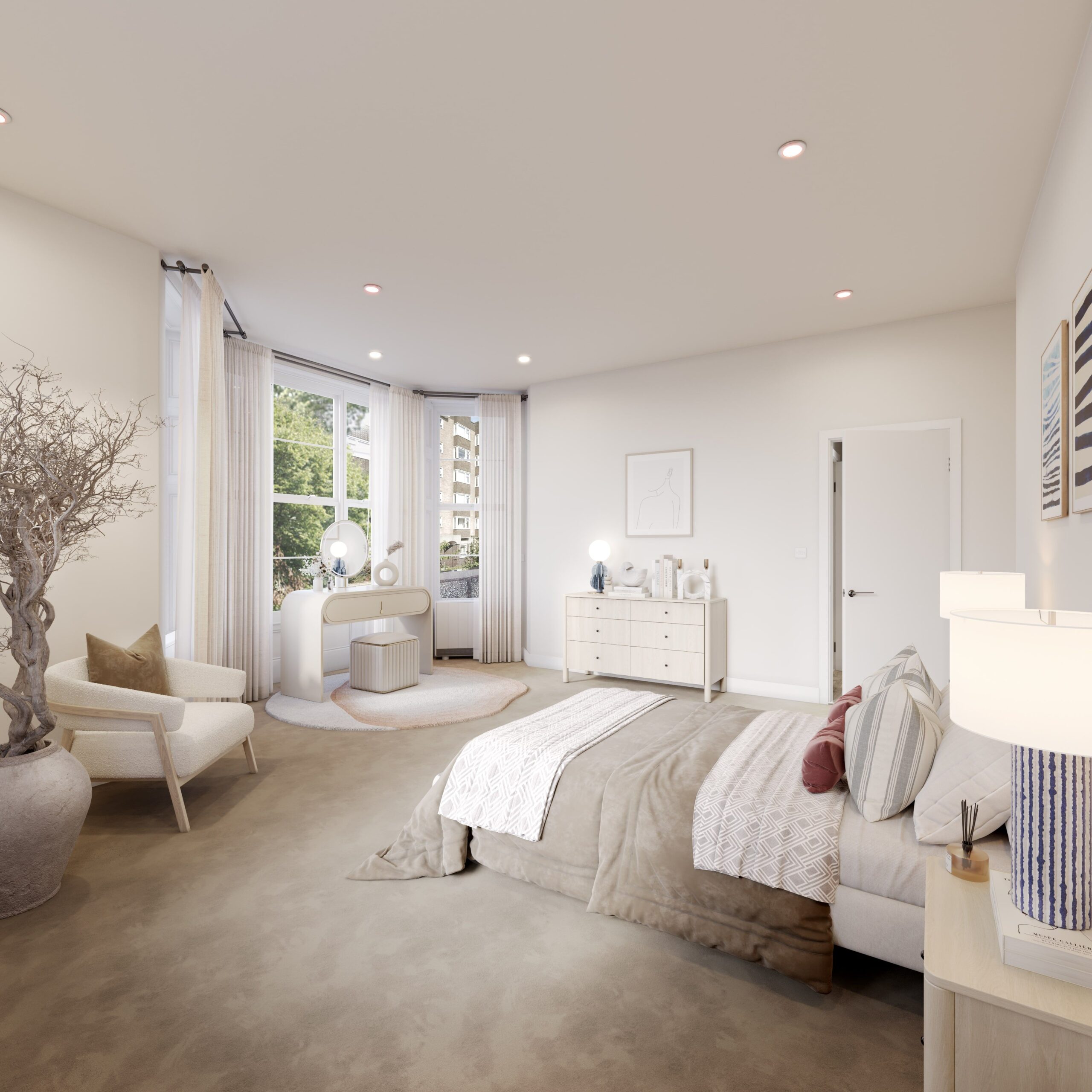
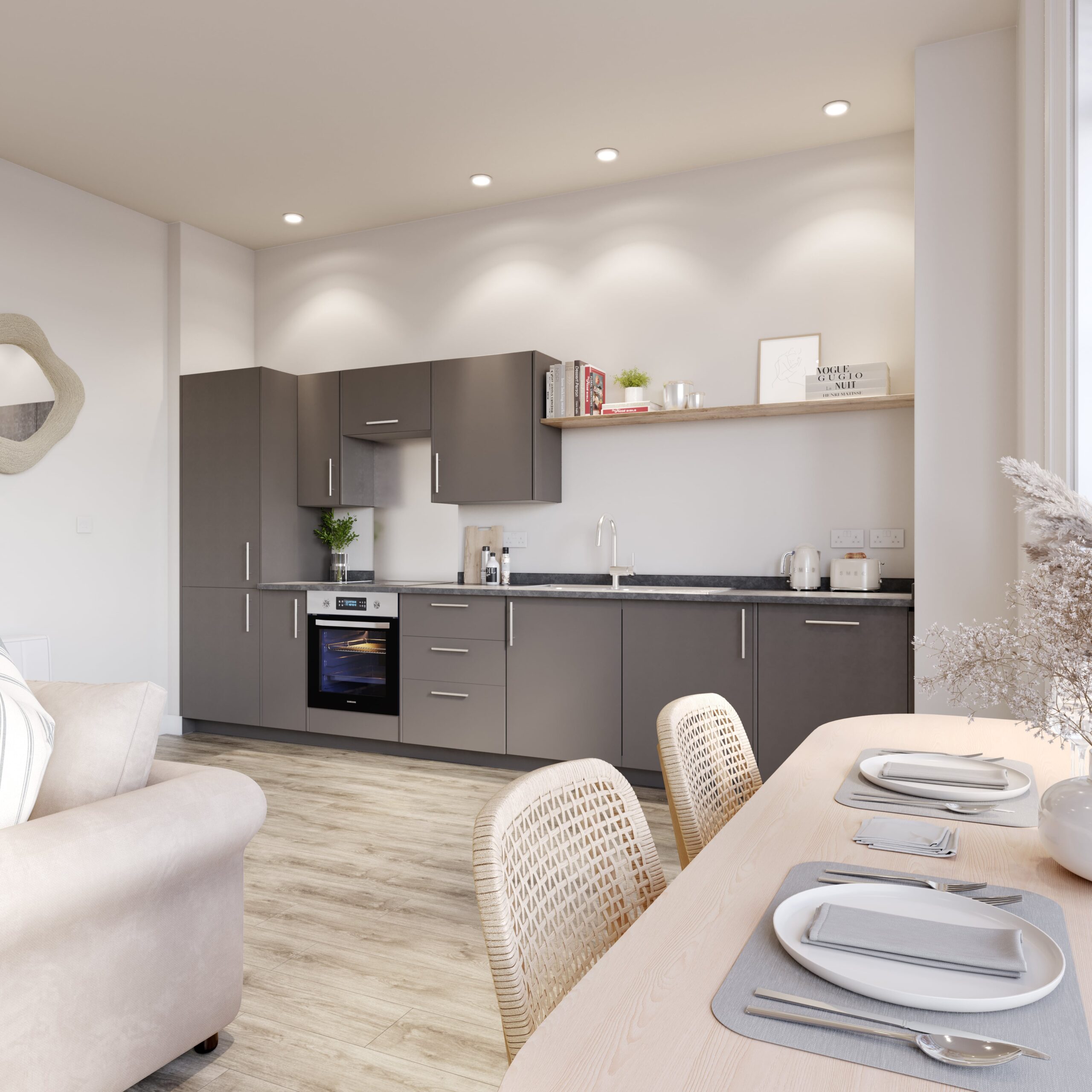
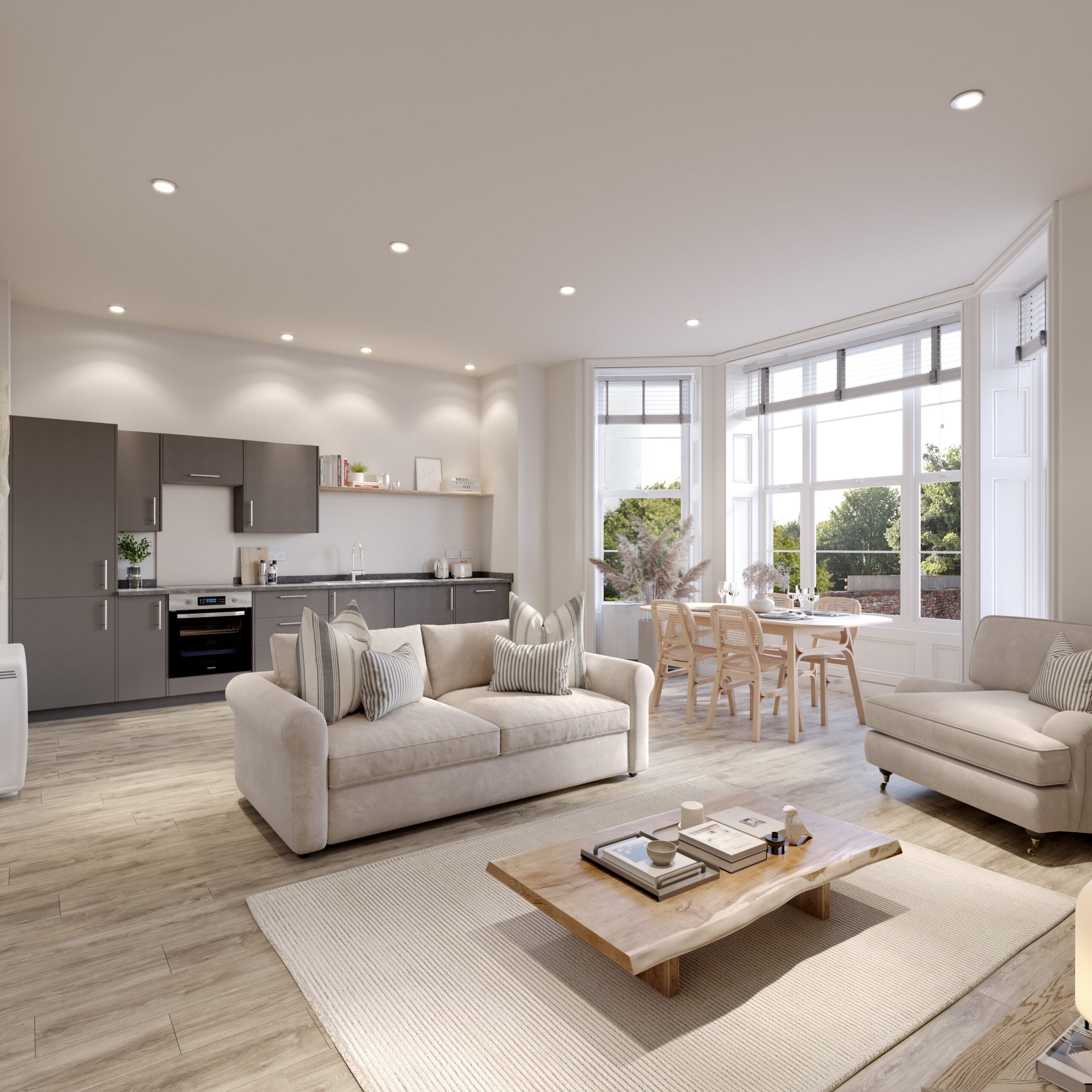
Example of Design development comparison.
CGI Visuals: Esperance, East Bourne.
What do public consultation audiences need?
Public consultation introduces another set of communication requirements. Local residents, community groups and other interested parties may have questions about how a proposed development could affect the surrounding area. Their priorities may include:
- How the building will appear from familiar viewpoints.
- Its scale in relation to neighbouring properties.
- Changes to streets and public spaces.
- Landscaping and public realm improvements.
- Access and pedestrian routes.
- The relationship between new and existing buildings.
In these situations, context is particularly important.
A close-up architectural CGI might communicate the proposed building’s design, but a wider viewpoint may be needed to understand its relationship with the existing environment. Photomontages, contextual views and clearly labelled visual material can help make proposals more accessible to audiences who may not be familiar with architectural drawings. However, imagery should be used alongside factual project information and opportunities for meaningful feedback. The objective isn’t simply to make a proposal appear attractive. It’s to help people understand what is being proposed so they can form informed views.
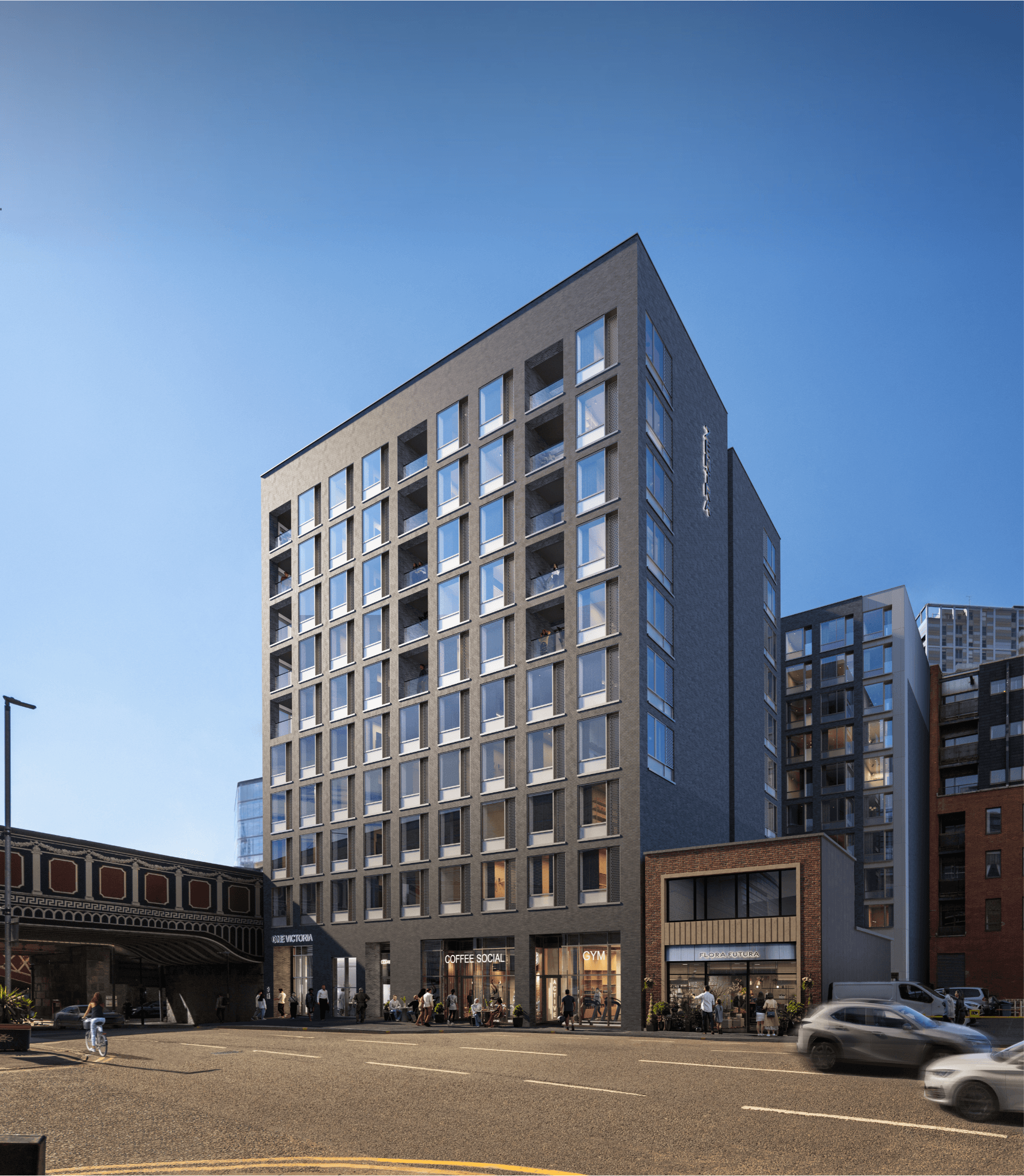

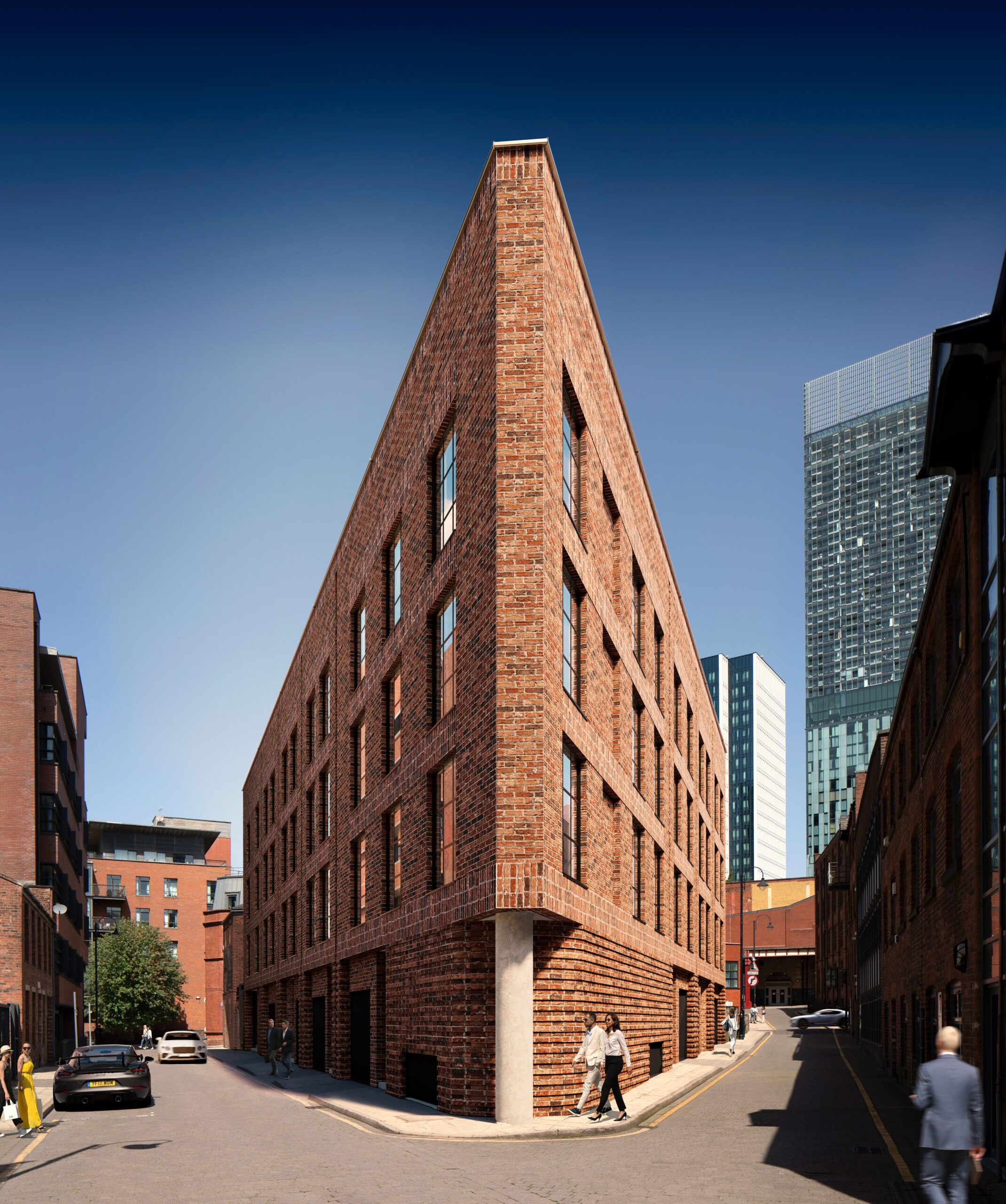
Examples of contextual exterior CGI showing surrounding buildings, roads and public spaces.
CGI Examples: One Victoria, Manchester | Thames Grove, Gravesend | The 8, Manchester
Can one CGI serve multiple audiences?
Absolutely.
The distinction between planning, marketing, investment and design imagery isn’t always rigid. A well-composed exterior CGI might communicate the architectural design to planners, provide an overview for investors and become part of the wider marketing campaign. Similarly, a detailed interior CGI might help a design team review finishes before being developed into a final image for prospective buyers.
The important consideration is whether the image genuinely provides what each audience needs.
For example, an exterior CGI showing the full development within its surroundings could be useful across several applications. However, that doesn’t automatically mean it should become the hero image for a luxury residential campaign, the primary image in an investor presentation and the sole visual supporting a public consultation. Different audiences may require different viewpoints, information or levels of detail.
Reusing an image is efficient when its purpose overlaps. It becomes a compromise when important information is lost.
When does relying on one CGI become a false economy?
Commissioning fewer images can appear to be a straightforward way to control costs. But focusing exclusively on the number of CGIs can overlook how the imagery will be used throughout the development’s lifecycle.
Imagine a project commissions one exterior hero image for its initial planning and marketing requirements. As the project progresses, the team discovers that:
- The planning submission needs a wider contextual view.
- The marketing team requires a more engaging campaign image.
- The investor presentation needs an aerial overview.
- The website needs a landscape banner.
- Social media advertising requires portrait imagery.
The original image may still be valuable, but it was never designed to satisfy all these requirements. Additional views, alternative compositions or further production may now be necessary. This doesn’t mean every project needs a large CGI package. It means the required imagery should be considered strategically before production begins. A smaller, carefully planned collection of visuals can be more useful than a larger selection of images with overlapping purposes.
What visuals does a property developer need for a new scheme launch?
The answer depends on the development, its audiences and the marketing strategy.
A residential launch might benefit from a coordinated collection of exterior and interior CGIs, amenity imagery, animation and interactive VR tours. A commercial development may prioritise exterior imagery, workplace interiors and contextual views. A mixed-use scheme could require additional visuals communicating how its different components connect.
The key is to define the purpose of each asset rather than simply commissioning a predetermined number of images.
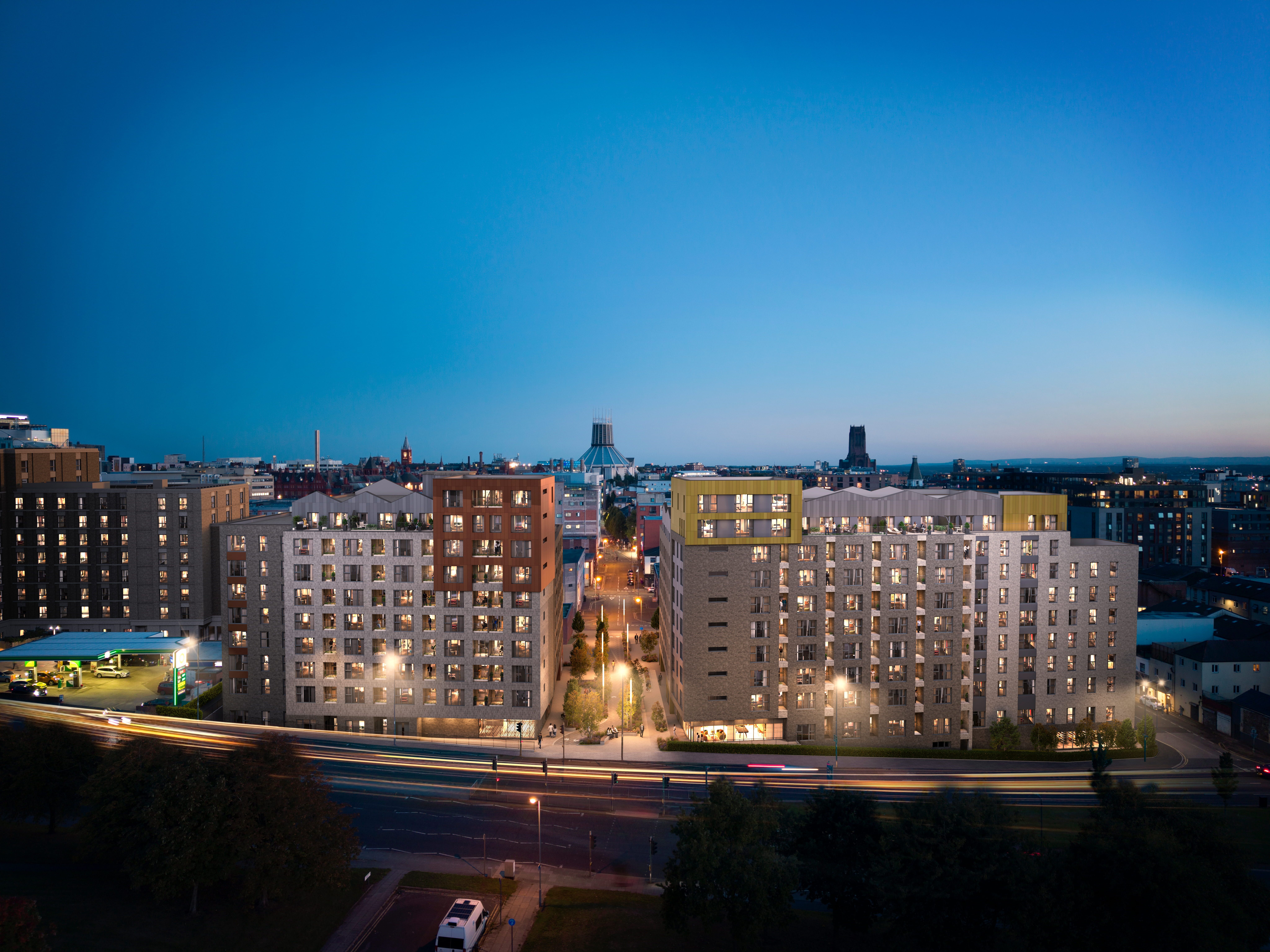
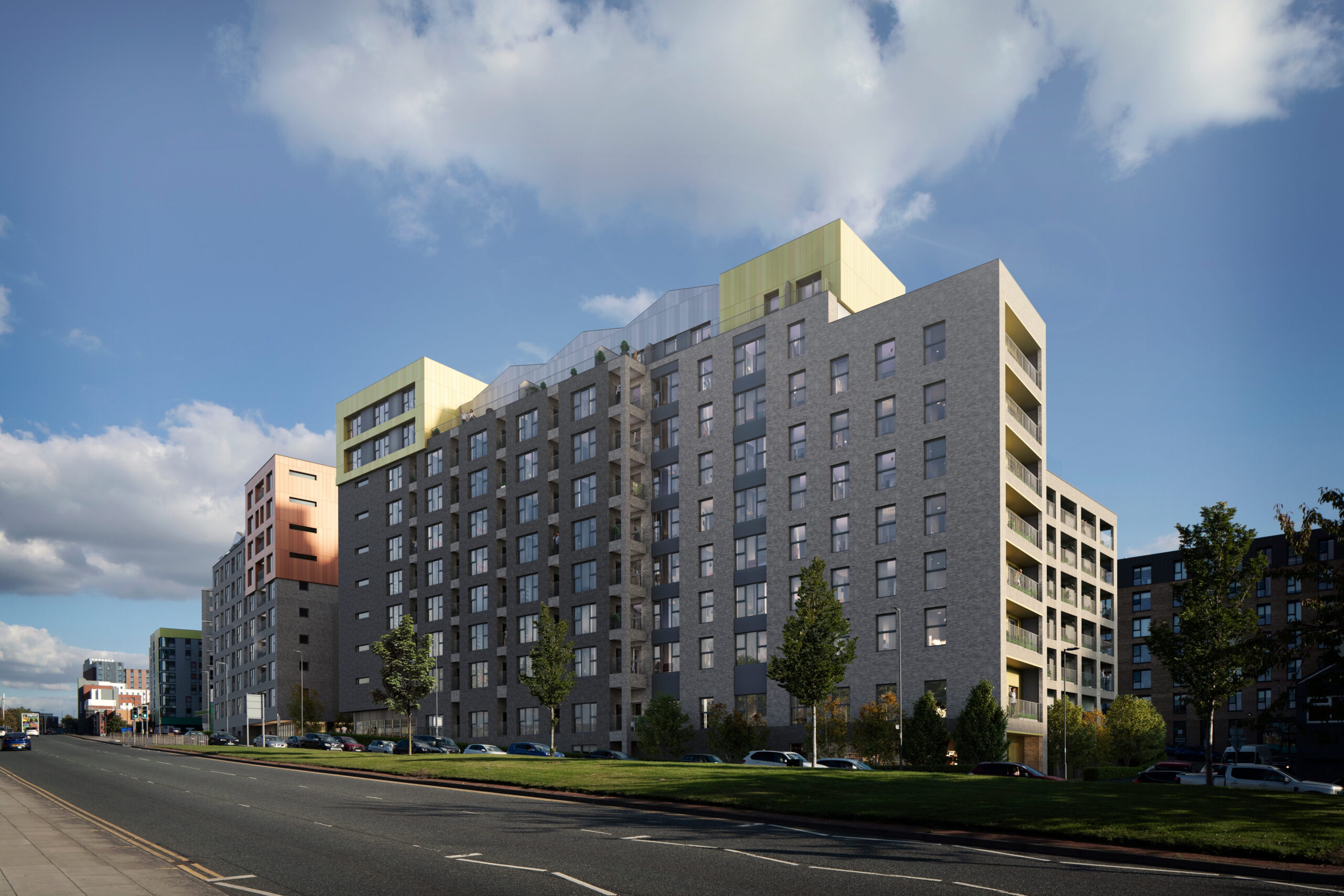
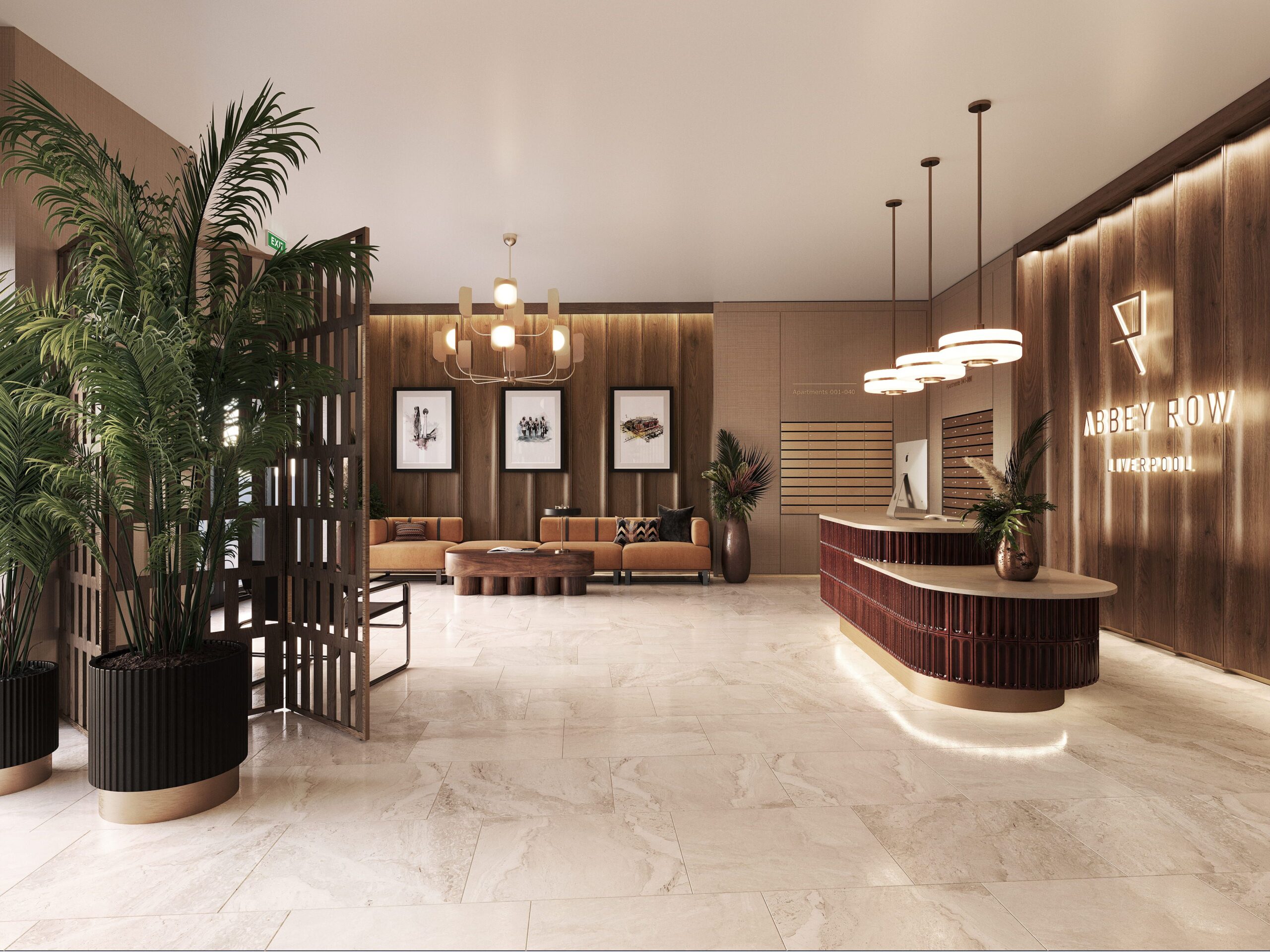
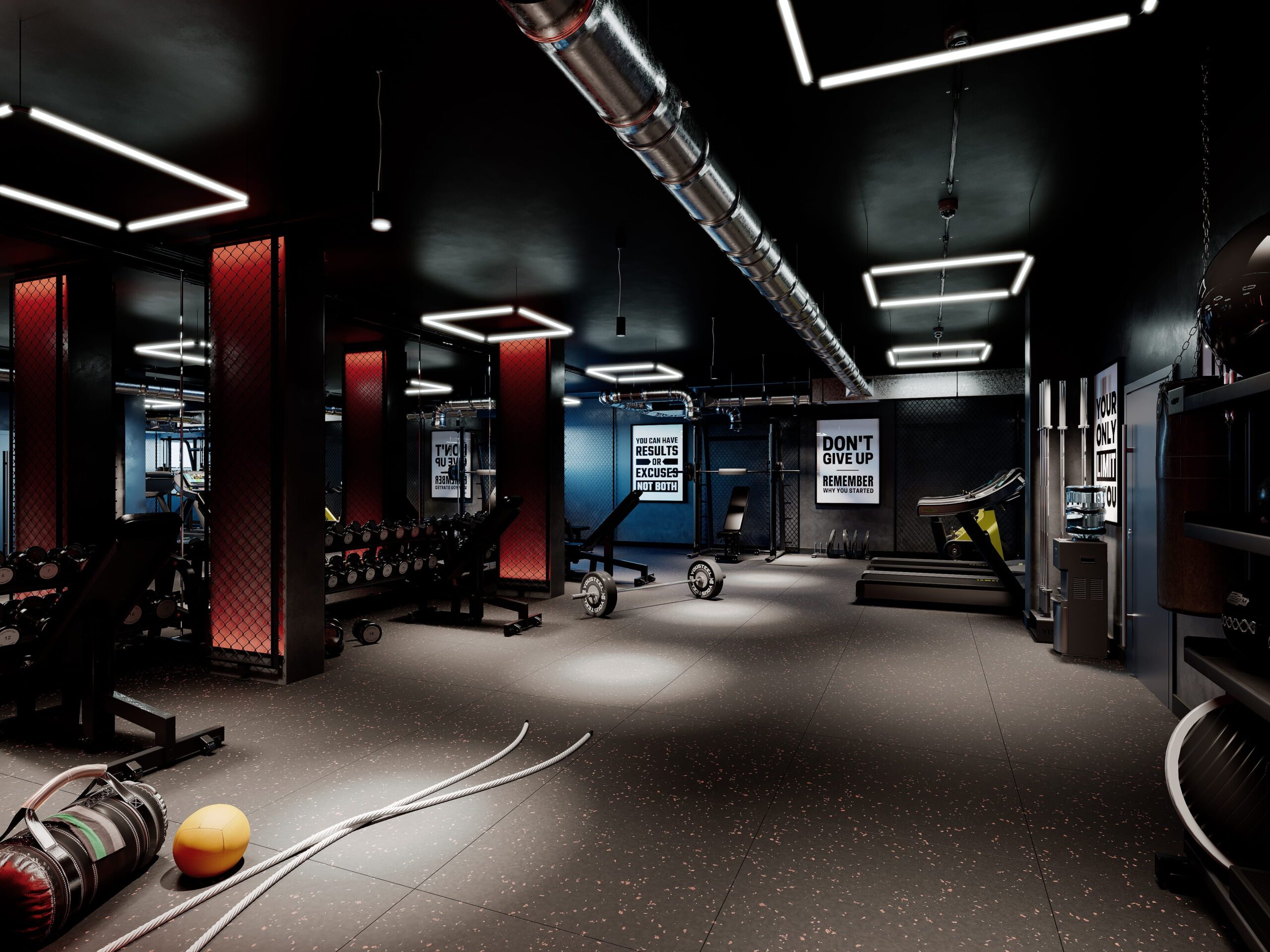
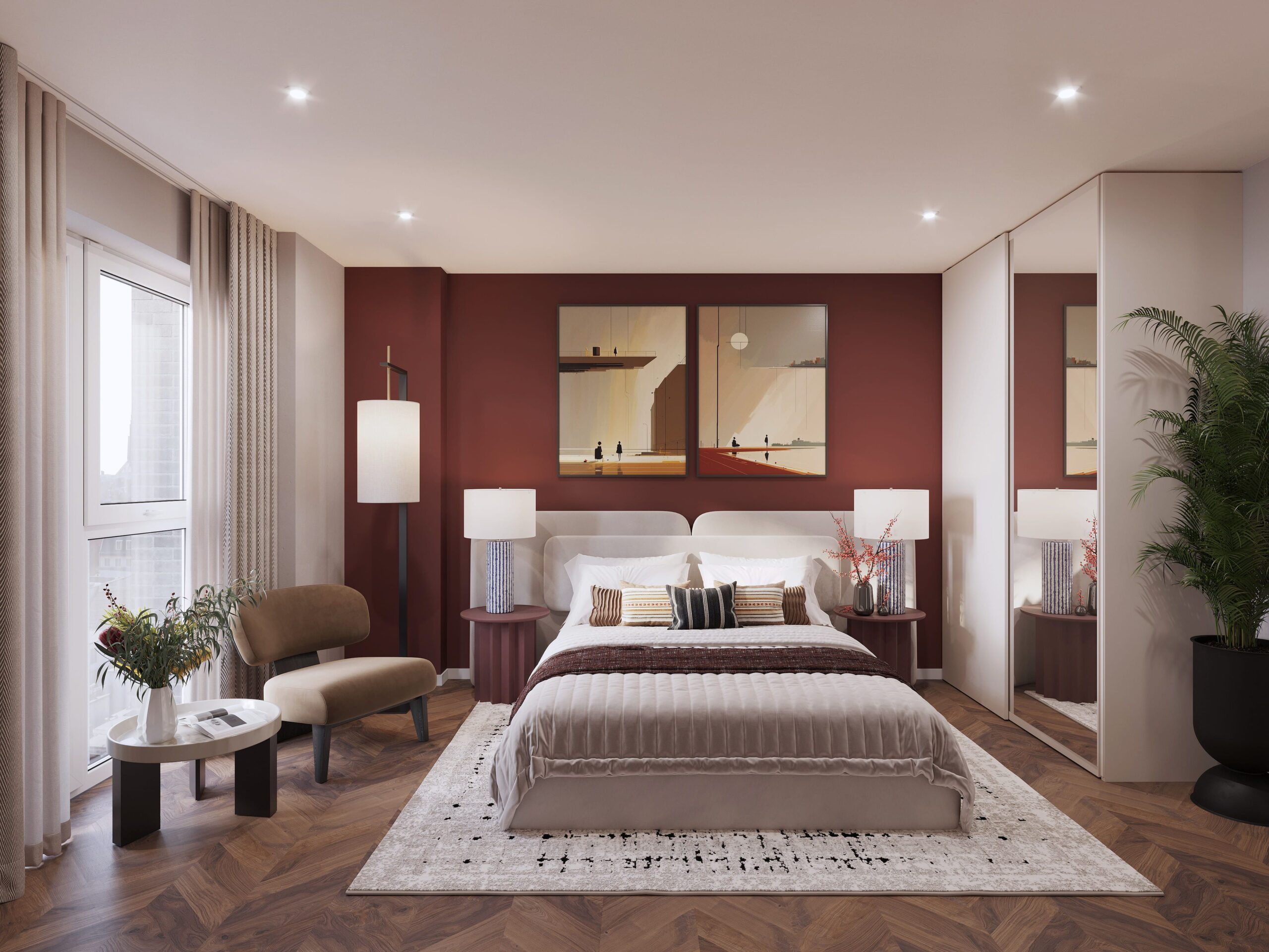
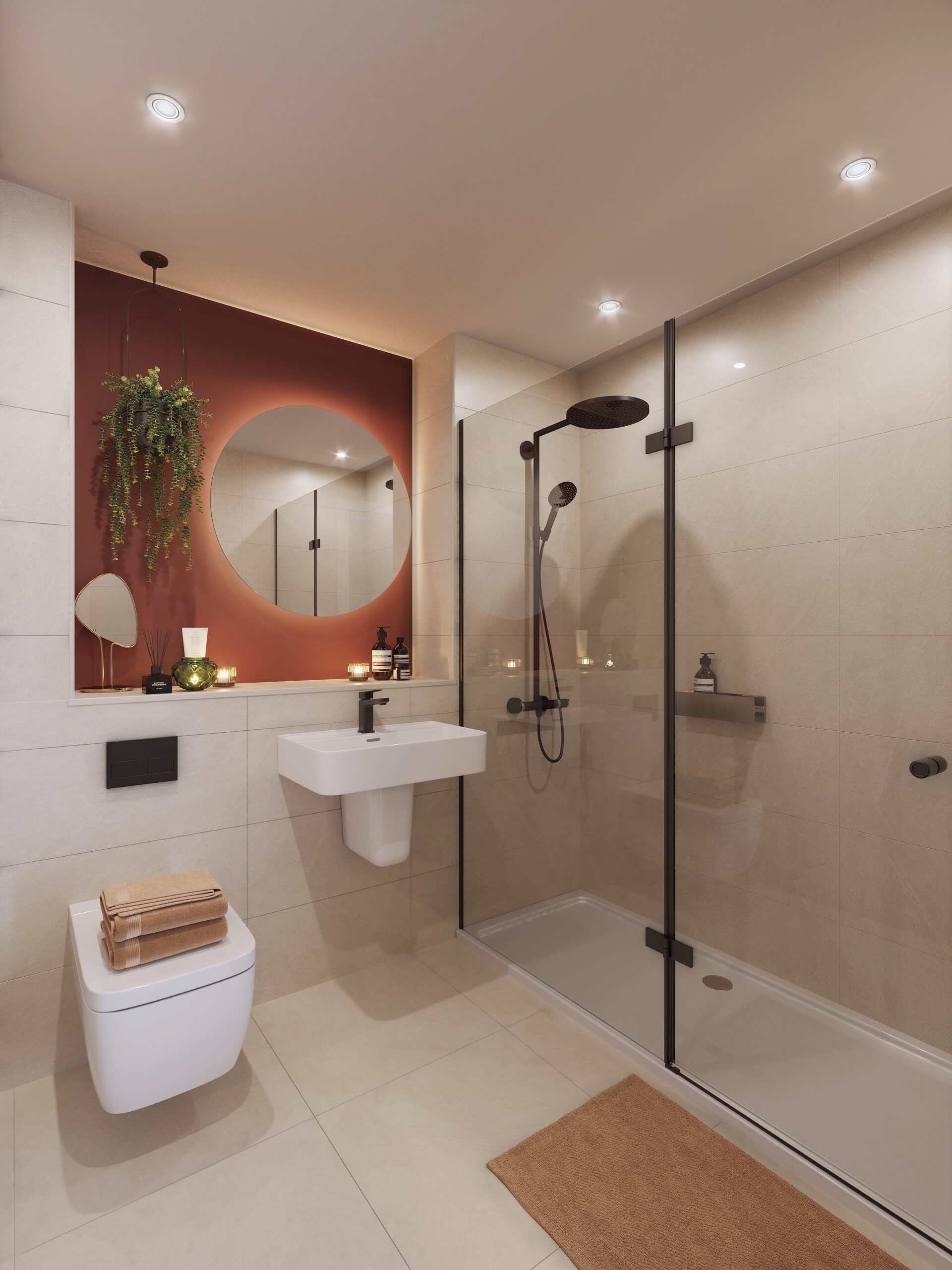
An example of a coordinated CGI suite. For Abbey Row, Liverpool, North Made Studio produced exterior and interior CGIs, animation and a VR tour.
How to plan CGI around different stakeholders
For developers and multidisciplinary project teams, the starting point should be a clear visual strategy. Before commissioning imagery, consider which audiences will need to engage with the project and at what stage.
The following framework can help:
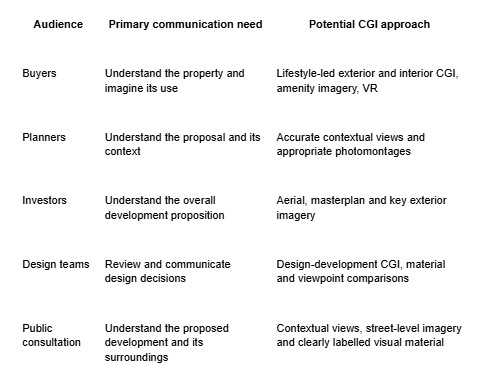
This doesn’t mean commissioning a separate CGI for every stakeholder.
Instead, it provides a way to identify shared requirements, establish priorities and develop a coordinated set of assets.
It also creates a stronger starting point for briefing an architectural visualisation studio.
Frequently asked questions
How do I brief a CGI studio for multiple audiences?
Start by identifying the different audiences who will use the imagery, the information they need and the purpose of each visual.
Provide the studio with an overview of the development, available architectural information, intended deliverables, deadlines and marketing or communication objectives.
The CGI studio can then help identify which viewpoints can serve multiple purposes and where additional imagery may be required.
Can the same CGI be used for planning and marketing?
Yes, provided the image is accurate and suitable for both purposes.
However, planning imagery often requires greater emphasis on context and clear communication of the proposal, while marketing imagery may place more emphasis on audience relevance, atmosphere and lifestyle.
Some projects benefit from developing separate views from the same underlying 3D model.
What does an architectural visualisation studio need to get started?
A CGI studio typically requires architectural drawings or models, available material specifications and information about the project’s objectives.
It is also useful to provide details about the intended audience, required viewpoints, visual references, deadlines and where the finished imagery will be used.
Not every detail needs to be finalised before the initial conversation.
What files are needed for architectural rendering?
Useful files can include architectural plans, elevations, sections, site plans, landscape drawings, CAD files, BIM or 3D models, material specifications and interior design information.
The exact requirements depend on the project and the type of imagery being commissioned.
How long does architectural CGI take?
Production times vary depending on the complexity of the development, number of visuals, quality of the information provided, modelling requirements and feedback process.
If imagery is needed for several project stages, sharing the full programme early can help establish a realistic production schedule and prioritise the most time-sensitive assets.
How do I choose a CGI studio for a property development?
Consider the studio’s experience with comparable projects, its understanding of architecture and property marketing, its approach to briefing and feedback, and the range of visualisation services available.
For developments requiring imagery across several stages, it may be useful to work with a studio that can help plan a coordinated approach to CGI, animation and VR.
Who creates CGIs, animations and VR tours for property developments?
Architectural visualisation studios such as North Made Studio create CGI imagery, animation and interactive VR experiences for developers, architects, interior designers and marketing teams.
These assets can support design communication, planning, stakeholder engagement and property marketing throughout different stages of a development.
The right image for the right audience
A single CGI can be incredibly effective. But its value comes from how well it communicates, not simply how impressive it looks.
For developers and project teams working across planning, design, investment and marketing, understanding the needs of each audience can help ensure that the right information is communicated at the right stage. Sometimes, one carefully considered image can serve several purposes. In other situations, different viewpoints or additional assets are necessary. The key is recognising that distinction before production begins.
By planning architectural visualisation around the audiences it needs to reach, developers can create a more coordinated and purposeful collection of imagery that supports the project from its earliest stages through to launch.
Planning imagery for your next development?
At North Made Studio, we work with developers, architects and marketing teams to create architectural CGI, animation and VR experiences that communicate developments at different stages.
Whether you’re preparing for planning, presenting to investors or building an off-plan marketing campaign, we can help define the visual brief around your project’s objectives and intended audiences.
Get in touch to discuss your project and explore which visuals will best support your requirements.