When you’re marketing a development that doesn’t exist yet, every visual plays a part in shaping how people understand it.
Before a buyer can step inside an apartment, walk through a communal space or see the finished building in its surroundings, they’re relying on the marketing materials to build a picture of what’s to come. The CGIs, website, brochure, social media content, advertising and site hoardings all contribute to that picture.
But what happens when those materials don’t quite feel connected?
A consistent visual direction helps bring everything together. It creates a recognisable identity, reinforces the development’s positioning and gives prospective buyers a clearer understanding of what they can expect.
For developers and marketing teams preparing an off-plan property launch, establishing that consistency early can make the entire campaign more cohesive, effective and easier to manage.
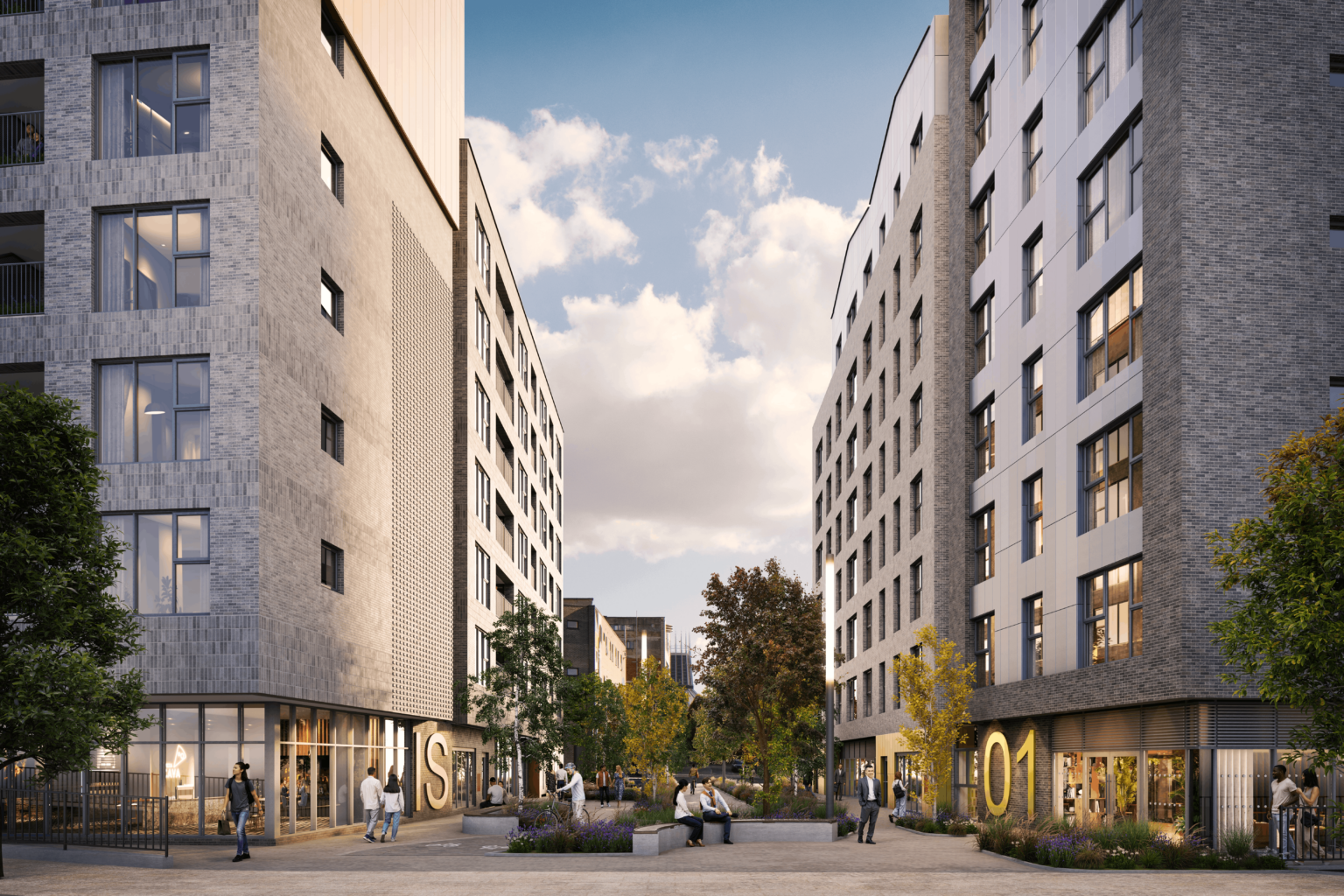
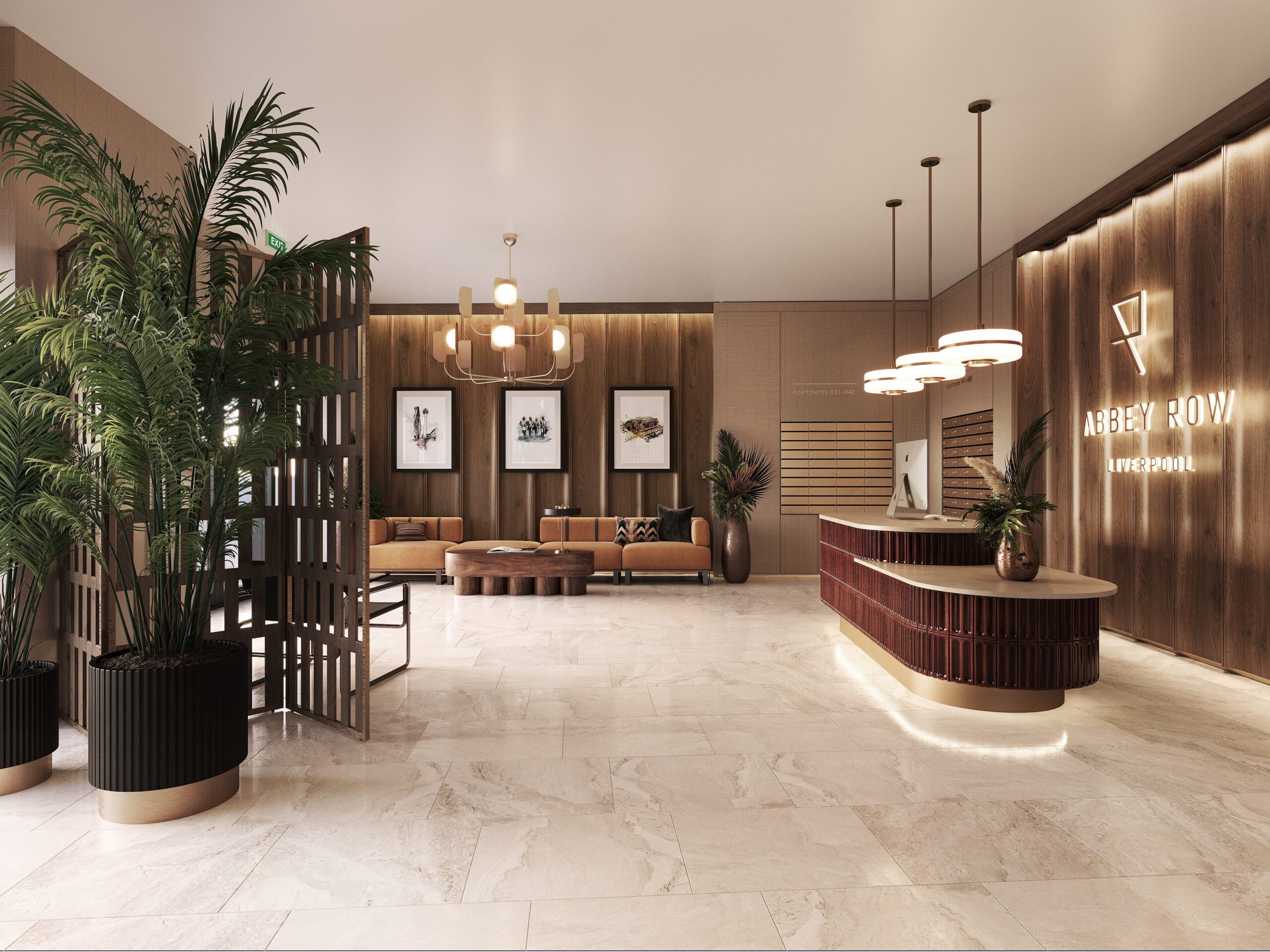
CGI Visuals: Abbey Row, Liverpool
What Does Visual Consistency Mean in Property Marketing?
Visual consistency is about ensuring that every element of a property’s marketing campaign feels like part of the same development. That doesn’t mean every image needs to look identical or that every piece of marketing material should follow the same layout. Instead, it’s about creating a shared visual language across the campaign.
This might include:
- Colour palettes: Using complementary colours across CGI imagery, branding and marketing materials.
- Lighting and atmosphere: Maintaining a recognisable mood throughout interior and exterior visuals.
- Materials and finishes: Representing architectural and interior design choices accurately and consistently.
- Photography and CGI styles: Ensuring that imagery feels cohesive, even when different formats or creative approaches are used.
- Brand positioning: Reflecting the development’s intended audience, character and overall identity.
For example, a premium residential development might use warm, considered lighting, refined materials and carefully styled interiors to communicate its positioning. If that same development is then promoted using unrelated imagery, dramatically different colour treatments or inconsistent styling, the overall impression can become less coherent.
Consistency helps ensure that each touchpoint reinforces the same story.
Bringing CGI and Brand Identity Together
A development’s brand identity is often established through its name, logo, typography, colour palette and wider marketing strategy. Architectural CGI brings another dimension to that identity. While branding communicates how a development wants to be perceived, CGI helps audiences understand what the finished environment could actually look and feel like.
The two should work together.
A brand built around contemporary urban living, for example, might be supported by CGIs that emphasise clean architectural lines, considered interiors and the surrounding city environment. A countryside residential scheme might take a different approach, with softer lighting, natural materials and a stronger emphasis on outdoor space. Neither approach is inherently better. What matters is that the visual direction reflects the development itself and supports its intended positioning.
This is why involving the architectural visualisation studio early in the marketing process can be valuable.
When CGI production and brand development are considered together, decisions around styling, composition, atmosphere and presentation can support the wider campaign from the outset. It also creates opportunities for the imagery to influence other creative assets, rather than treating the CGIs as separate pieces of content added towards the end.
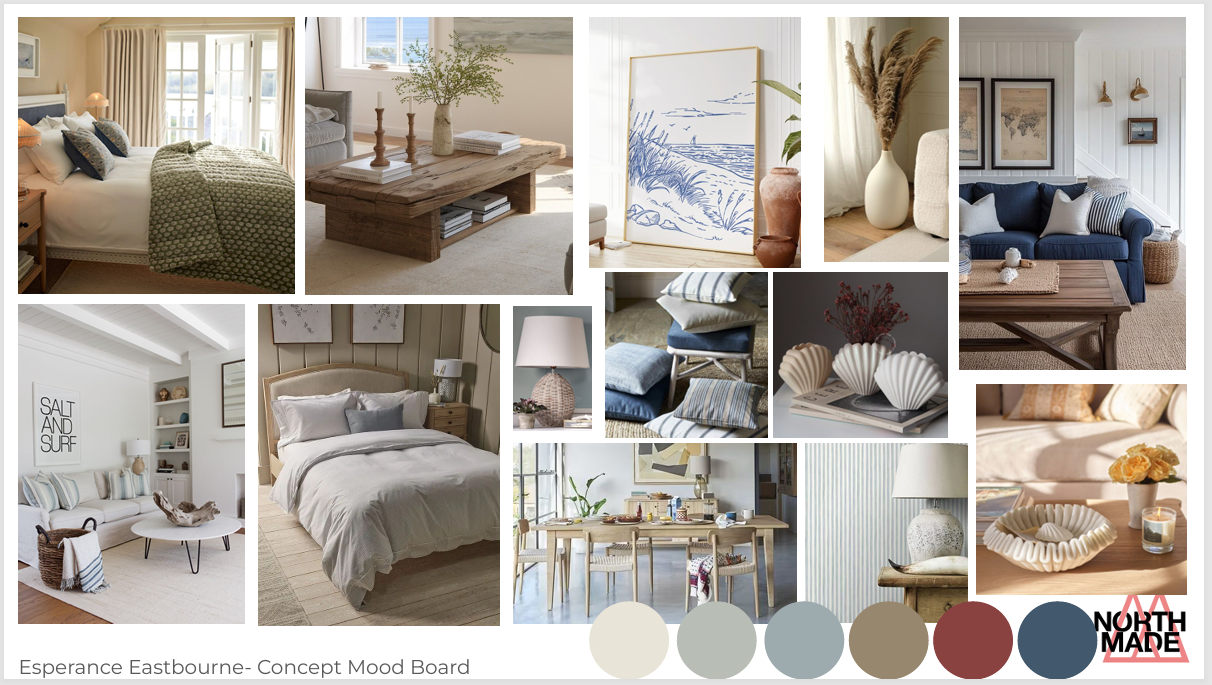
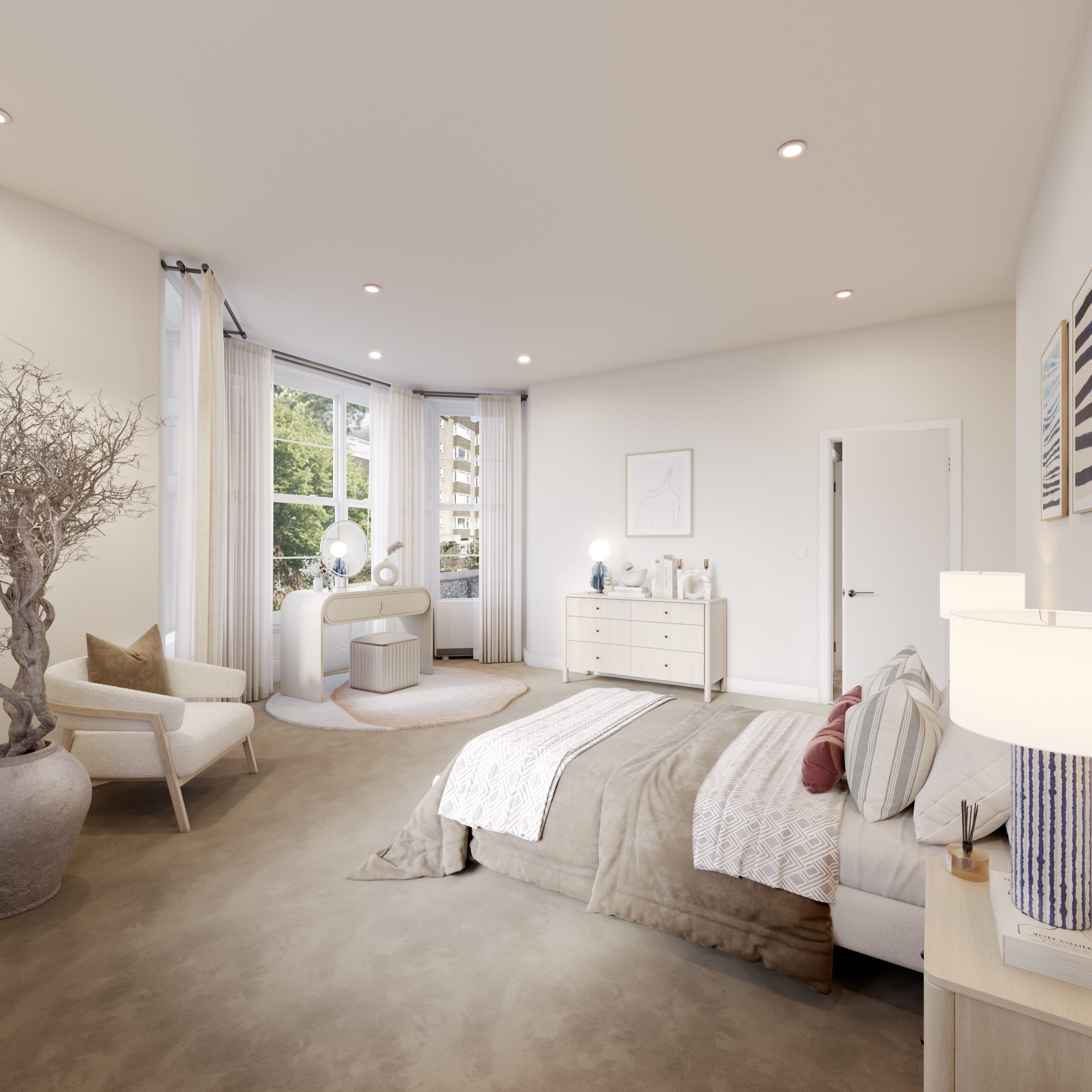
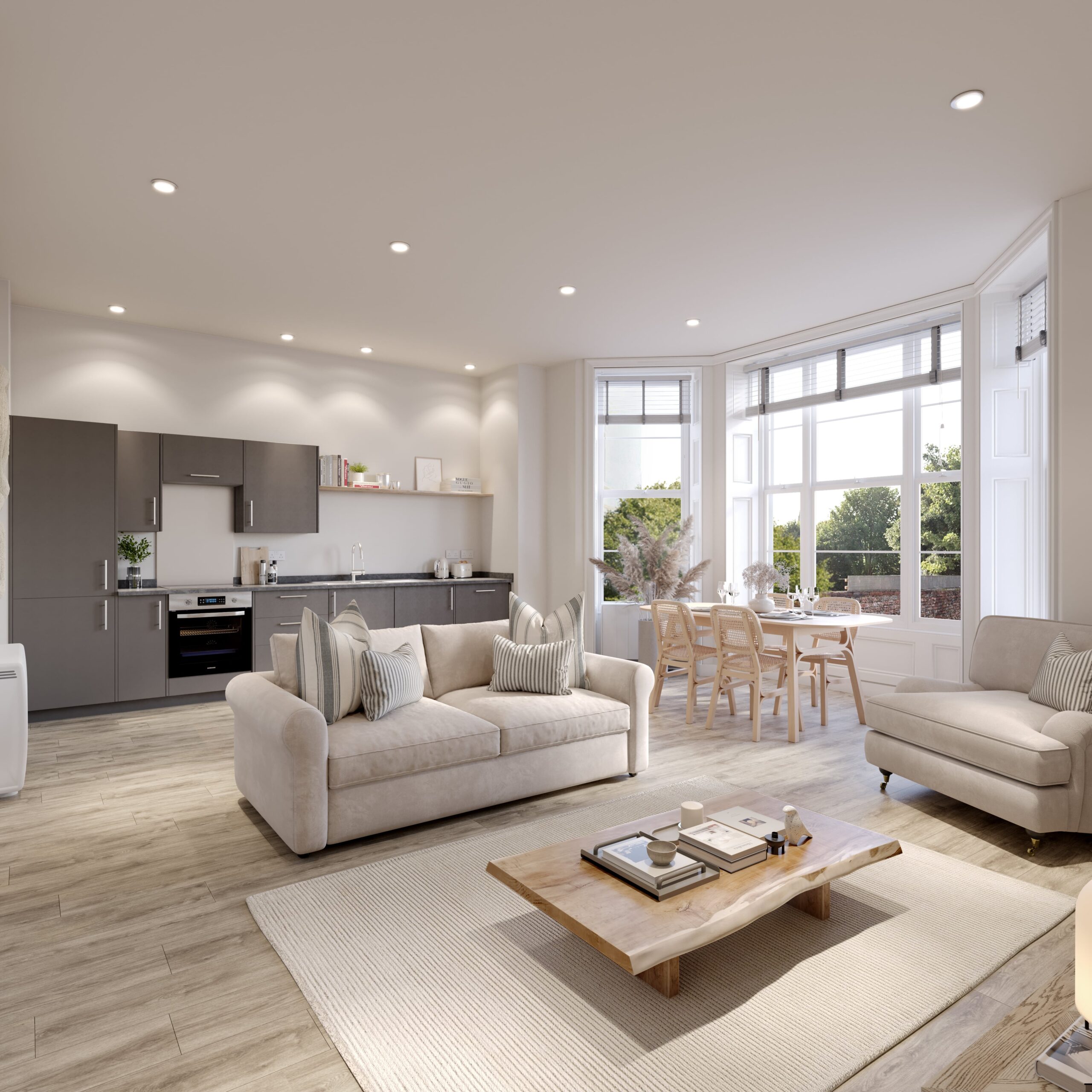
Demonstration of how a shared palette, references and styling direction can inform the finished visuals.
CGI Visuals: Esperance, East Bourne
Tone, Lighting and Audience: Creating the Right Impression
Two CGIs of exactly the same space can communicate very different things.
Consider a residential living room. One image might use bright daylight, minimal styling and a wide camera angle to communicate space, practicality and layout. Another might use warmer lighting, softer furnishings and a more intimate composition to emphasise comfort and lifestyle. Both could be accurate representations of the proposed interior, but they create different impressions. The right approach depends on the audience and what the campaign needs to communicate.
For marketing teams, this means considering questions such as:
- Who is the development aimed at?
- What aspects of the scheme are most important to that audience?
- What atmosphere should the visuals communicate?
- How should the development be positioned within its market?
- What should someone understand or feel after seeing the imagery?
Answering these questions before CGI production begins helps establish a more deliberate visual direction. It also gives the visualisation team a clearer framework for decisions around lighting, camera angles, materials, styling and composition.
The result is imagery that doesn’t simply show the proposed development, but supports the message behind it.
One Visual Direction, Multiple Marketing Channels
A property launch rarely relies on a single marketing asset.
Depending on the development, the campaign might include a website, brochure, property portal listings, social media content, digital advertising, email marketing, presentations and physical site hoardings. Each channel has different requirements. A detailed exterior CGI might work well across a full brochure spread, while a social media campaign may benefit from closer compositions that draw attention to individual architectural features. A website might need a combination of hero images, interior views and supporting details to guide visitors through the development.
The goal isn’t to use the same image everywhere.
It’s to create a collection of visuals that can adapt to different channels while maintaining a consistent identity.
This is where planning the CGI package around the wider campaign becomes particularly useful. Rather than commissioning individual images without considering their eventual application, developers and marketing teams can identify which visuals are needed, where they’ll be used and how they should work together.
For an off-plan residential development, that might include:
- Exterior CGIs to introduce the architecture and establish the development’s setting.
- Interior CGIs to communicate design, layout and lifestyle.
- Close-up CGI details or cameos to highlight materials, finishes and distinctive features.
- Architectural animation to provide a more complete journey through the development.
- Interactive VR tours to help prospective buyers explore spaces before construction is complete.
These assets can serve different purposes while remaining part of one cohesive visual story.
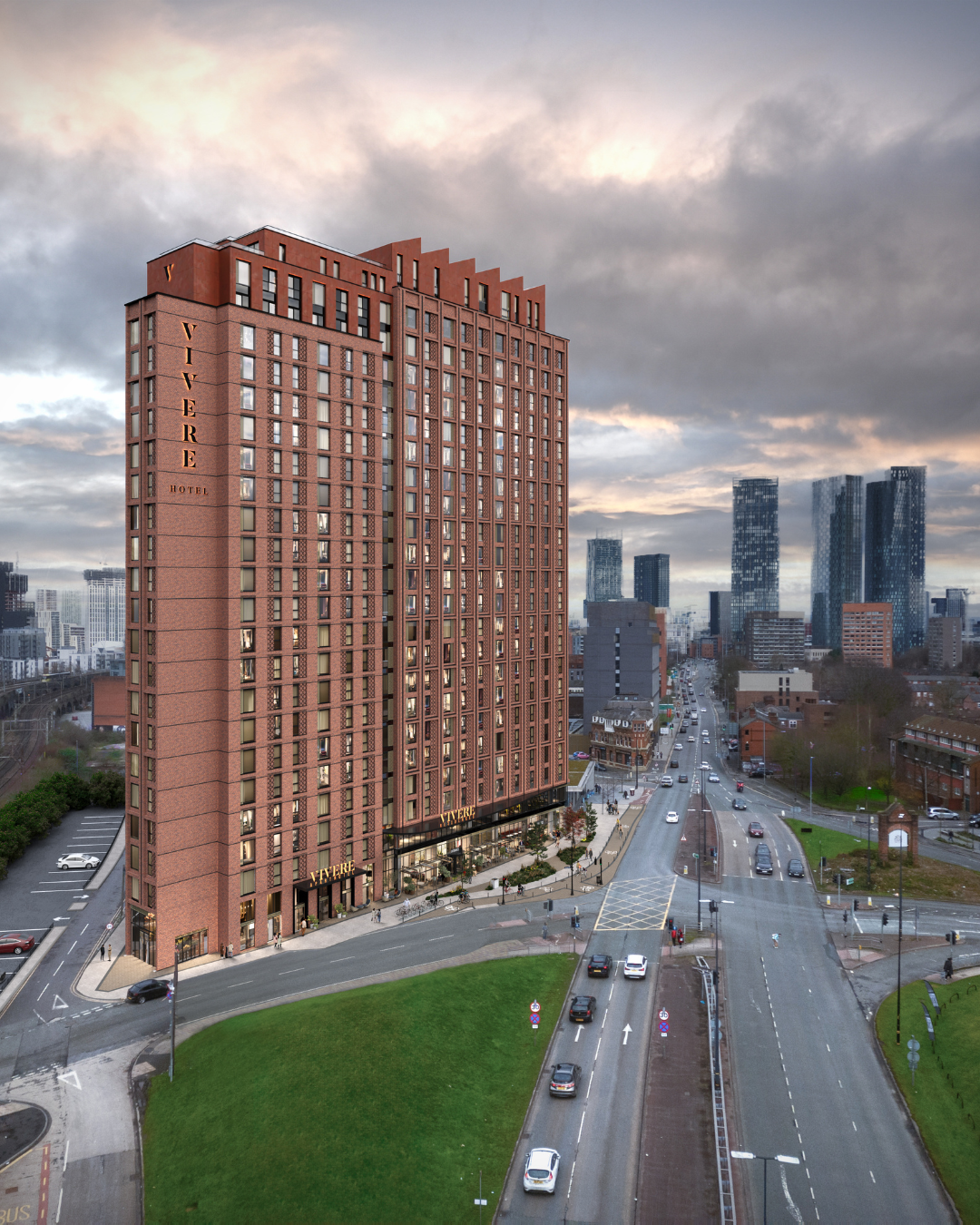
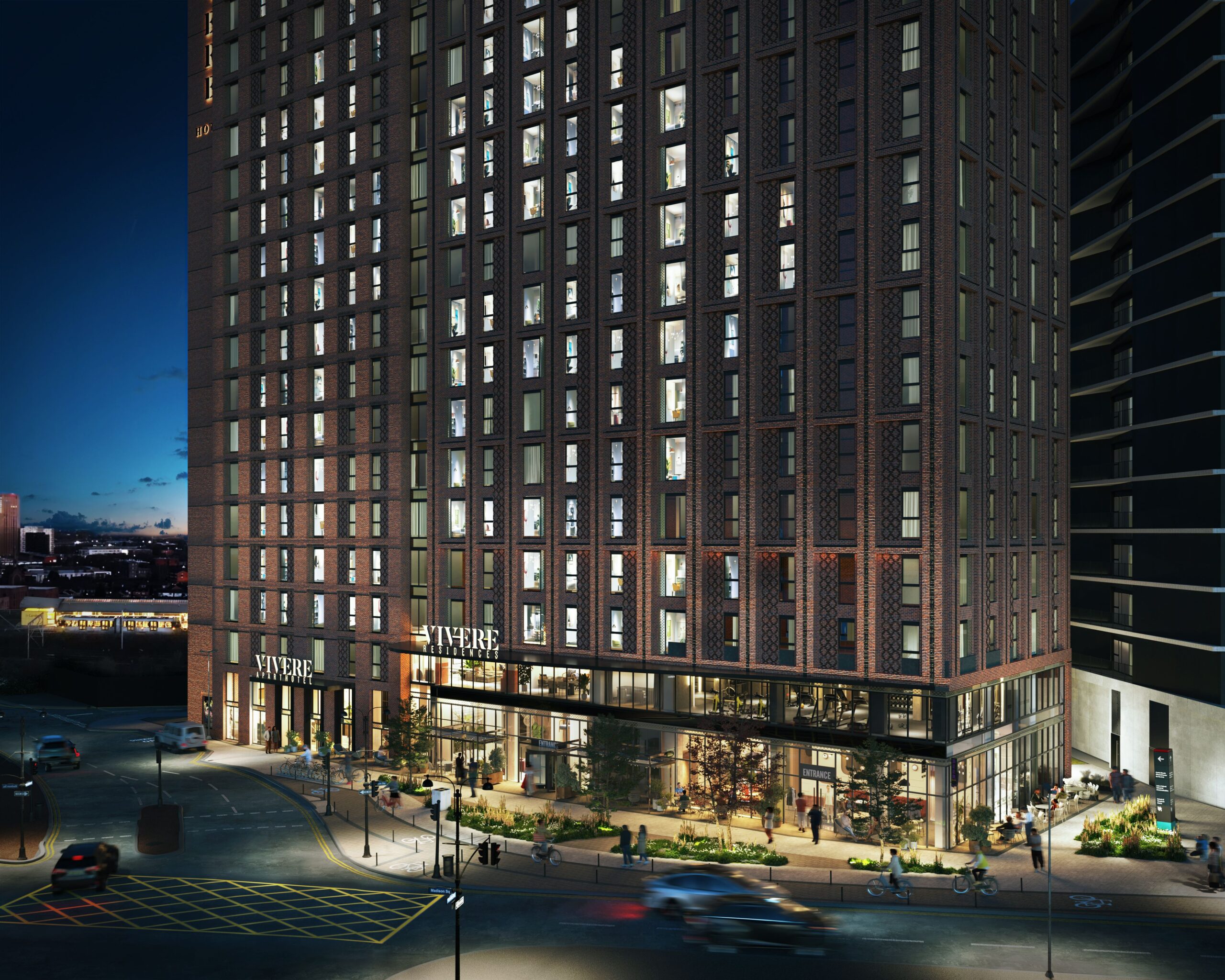
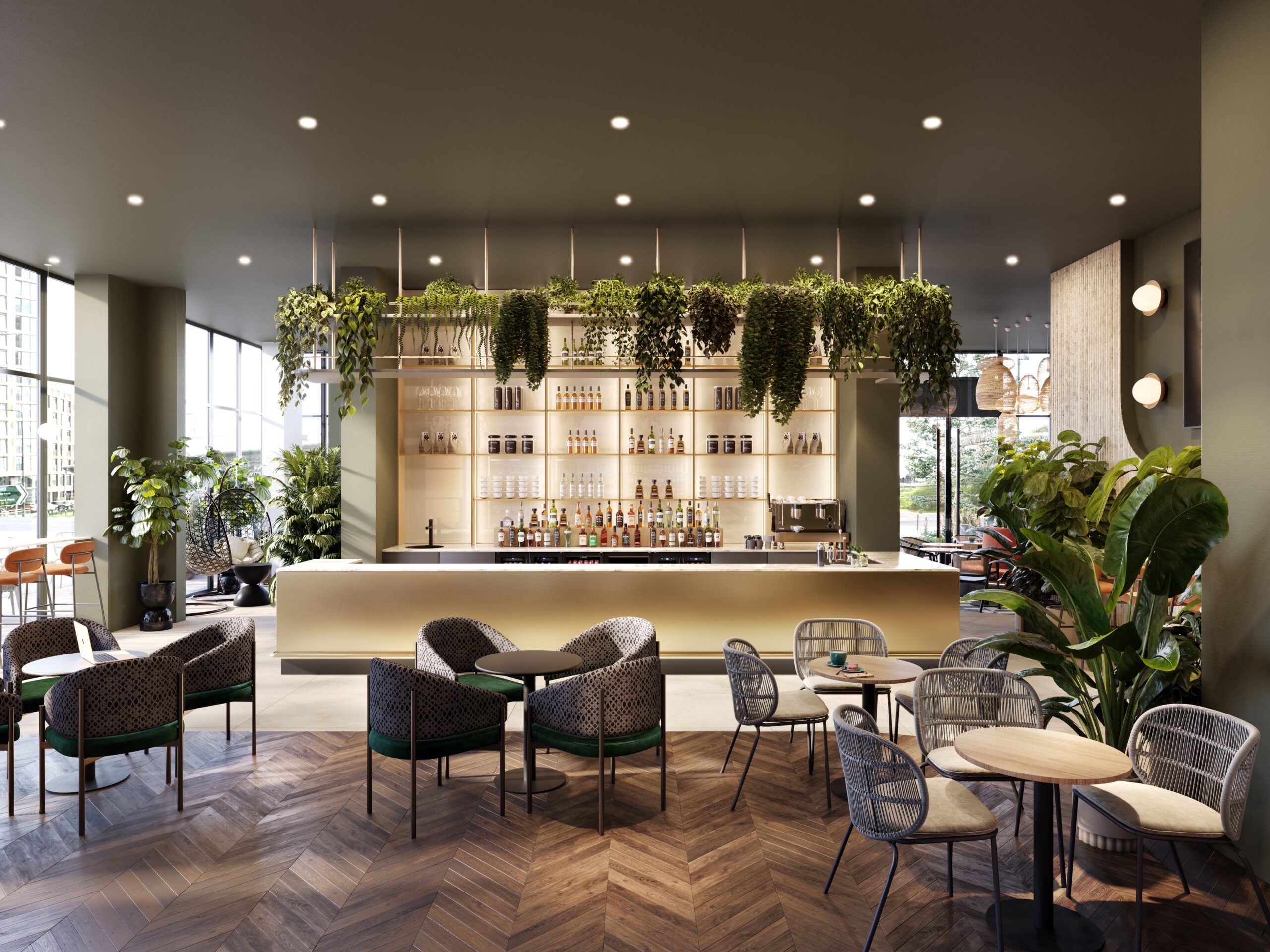
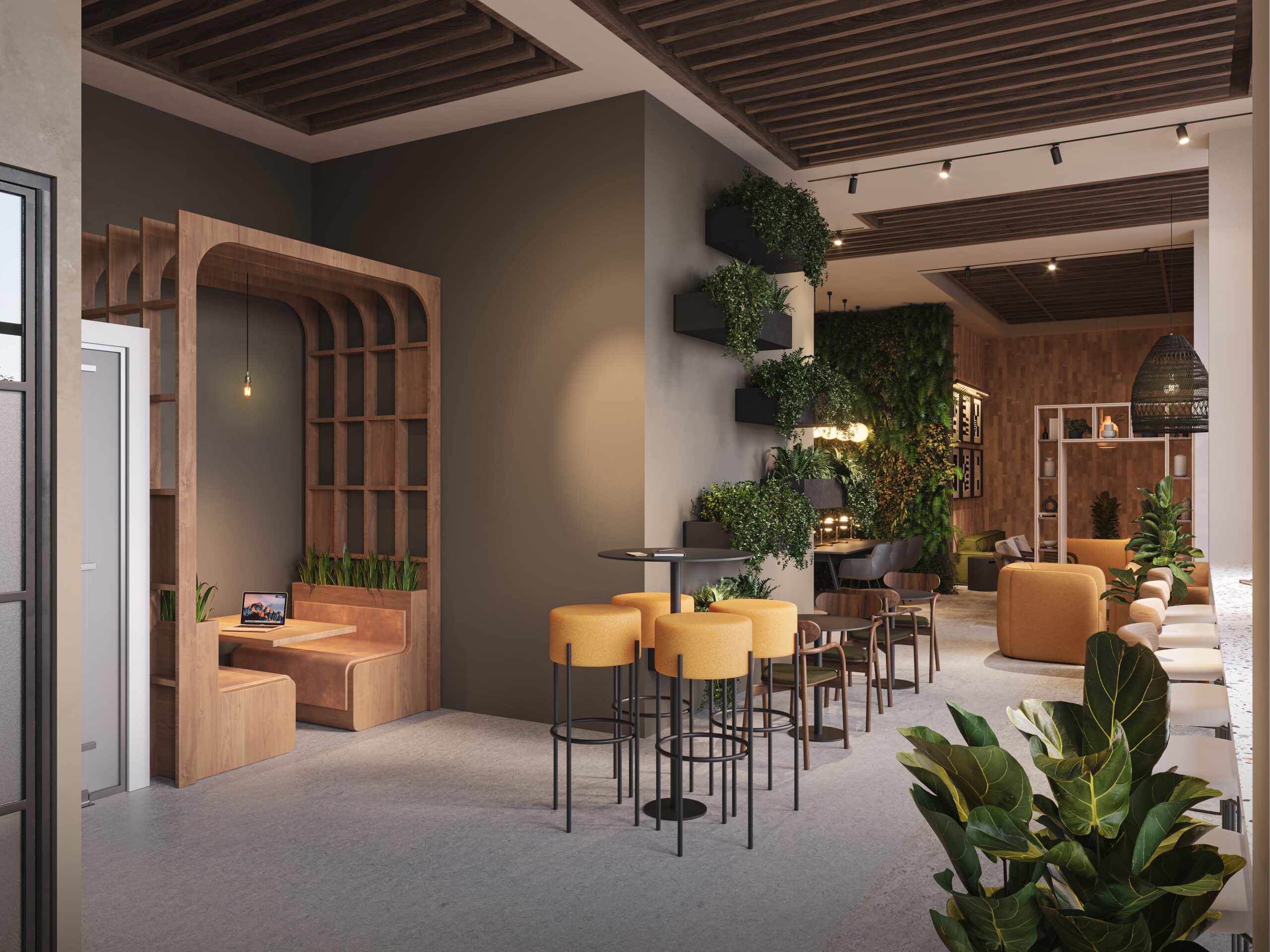
CGI Visuals: Vivere, Manchester
Creating Consistency Between Interior and Exterior CGIs
Interior and exterior visualisations are often viewed as separate deliverables, but they contribute to the same overall perception of a development.
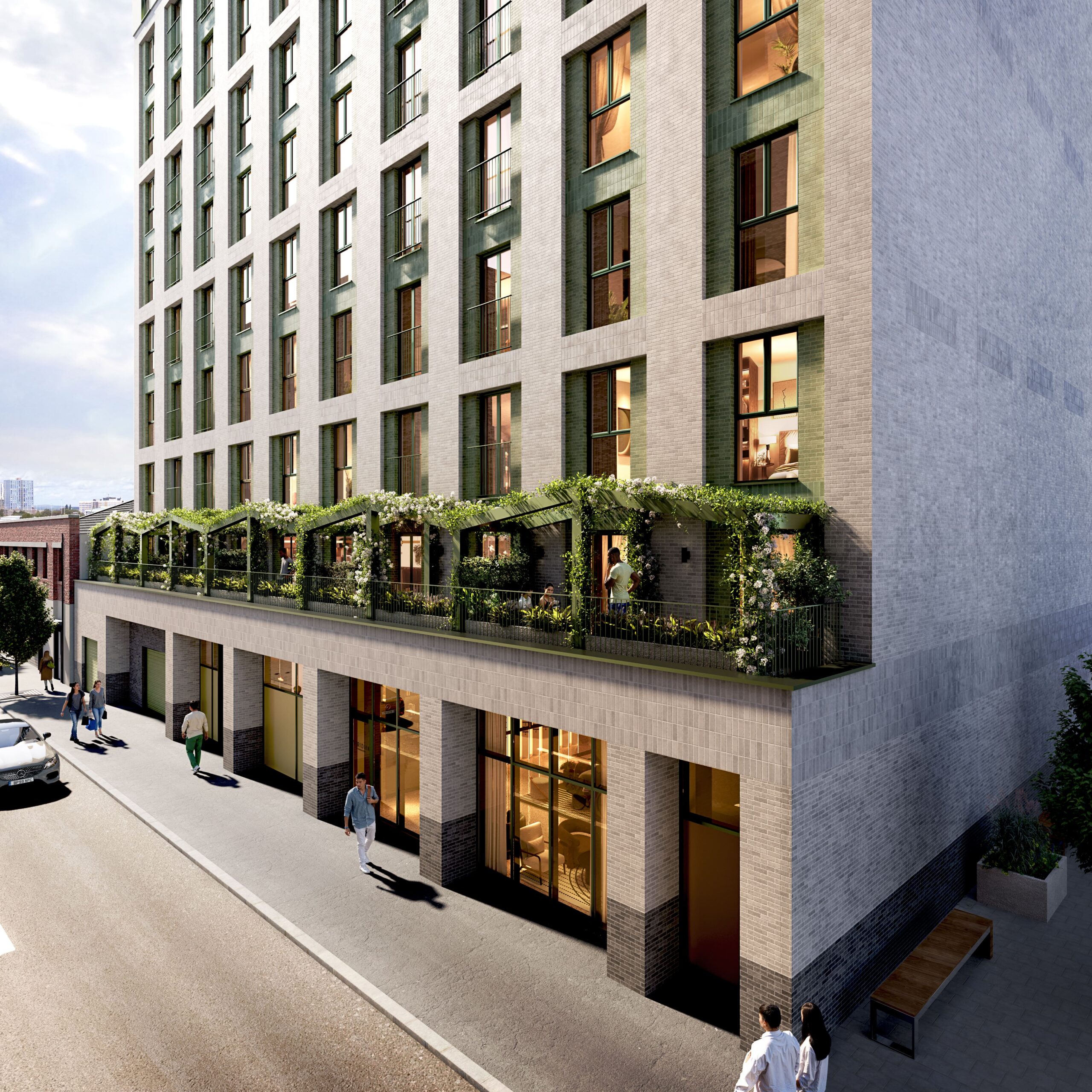
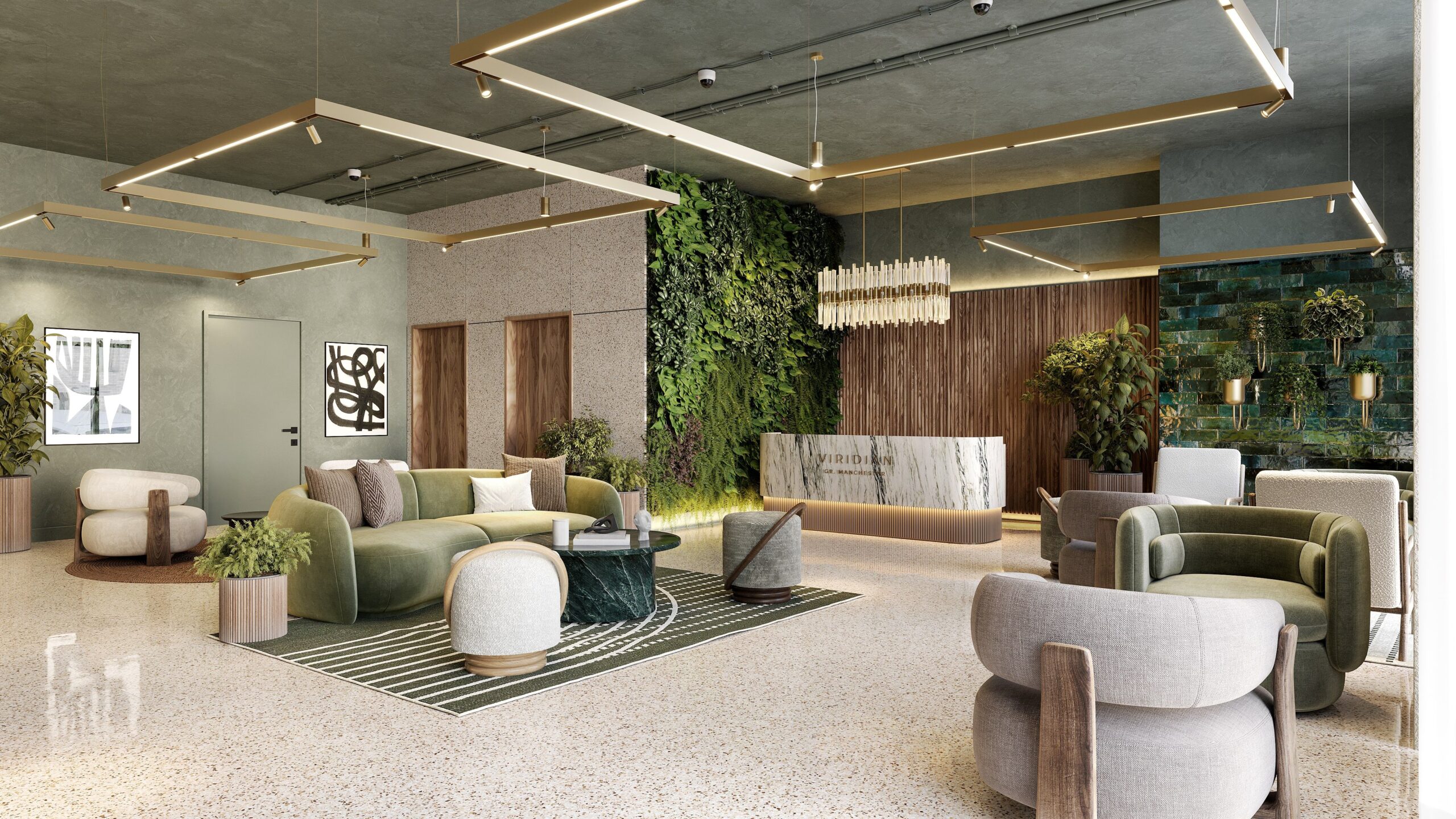
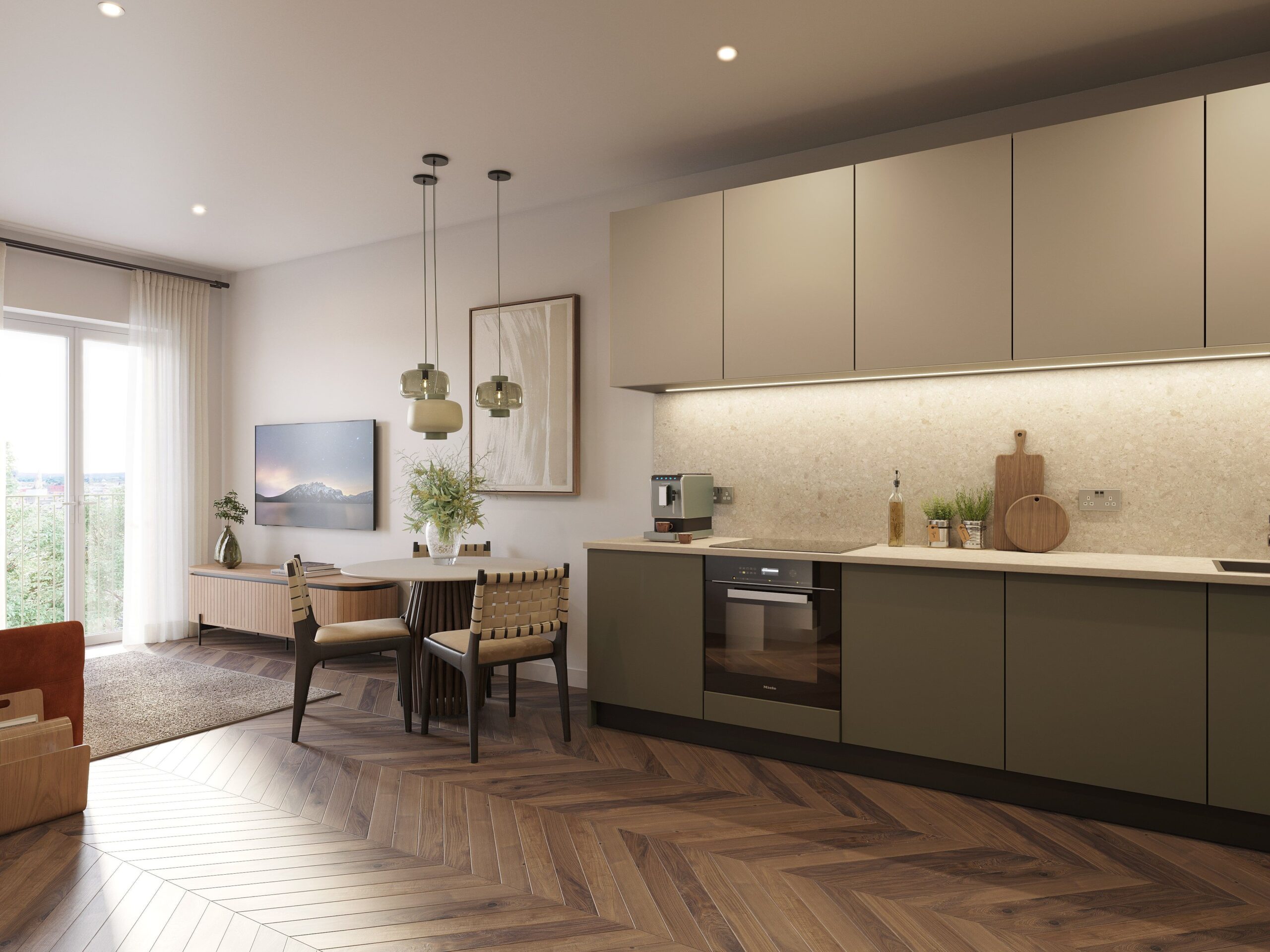
An exterior CGI establishes the architecture, location, materials and relationship with the surrounding environment. Interior CGIs then build on that impression, helping audiences imagine the experience of being inside. Ideally, the transition between the two should feel natural. This doesn’t mean matching every colour or using identical lighting conditions. Instead, the imagery should communicate a coherent design approach. For example, a development featuring warm brickwork, natural materials and landscaped communal areas might carry aspects of that character into its interiors through complementary textures, tones and finishes.
Similarly, a contemporary city-centre development might use its architectural character and urban setting to inform the styling and atmosphere of its internal spaces. The connection can be subtle, but it helps create a more complete picture. For buyers viewing a development entirely through CGI, this continuity can make it easier to understand the relationship between the building, its surroundings and the spaces within it.


Demonstration of how architectural character, materials and interior styling can support a coherent overall impression.
CGI Example: The Meadows, Langho
How Visual Consistency Can Build Buyer Confidence
When marketing an unbuilt property, prospective buyers are making decisions based on information about something they cannot yet experience in person. That makes clarity particularly important. A cohesive set of marketing visuals can help buyers understand the development’s identity, design intentions and proposed living environment. When the exterior CGI, interior imagery, brochure and website all communicate a consistent message, audiences are less likely to encounter conflicting impressions. It also creates a more professional and considered presentation.
For developers, this can be particularly valuable when marketing apartments or homes off-plan, where buyers may be comparing several developments at different stages of construction. Of course, attractive imagery alone doesn’t establish trust. Accurate information, clear specifications and transparent communication remain essential. But consistency can support those elements by making the campaign easier to understand and reinforcing a clear, recognisable identity.
The aim is to reduce uncertainty, not simply make everything look polished.
Building a Shared Visual Direction Before CGI Production
So, how can developers and marketing teams establish consistency across a property campaign?
The most effective approach is to create a shared visual direction before production begins. This doesn’t necessarily require a lengthy creative strategy document. It starts with bringing together the right information, identifying the campaign’s objectives and agreeing on how the development should be presented.
1. Establish the development’s positioning
Before selecting camera angles or interior styling, define the intended audience and the key messages the campaign needs to communicate.
Is the development positioned around contemporary city living, family-friendly homes, premium interiors or a distinctive architectural identity? Understanding this helps guide the creative decisions that follow.
2. Bring branding and architectural information together
Share the development’s brand guidelines, architectural drawings, material schedules, interior design specifications and relevant reference imagery with the CGI studio. A mood board can be particularly useful for communicating the intended atmosphere, colour palette, textures and styling direction.
Where brand identity is still being developed, early conversations between the branding agency, developer and visualisation studio can help establish a coordinated approach.
3. Plan the imagery around its intended use
Consider the full range of marketing materials required for the launch. Which visuals will lead the website? What will appear in the brochure? Will there be supporting imagery for social media, property portals or advertising?
Understanding these requirements early can help inform camera composition, image orientation, resolution and the wider selection of views.
4. Agree on a consistent approach to styling and atmosphere
Establish shared principles for lighting, materials, furniture, landscaping, people and overall presentation.
These don’t need to restrict creativity. Instead, they provide a framework that helps different images feel connected, even when they’re showing entirely different parts of the development.
5. Keep communication aligned as the project develops
Property developments evolve, and changes to architecture, materials or interior specifications are sometimes unavoidable.
Maintaining a clear approval process and communicating updates across the project team helps keep the imagery aligned with the latest agreed design. This becomes especially important when multiple stakeholders, agencies and suppliers are involved.
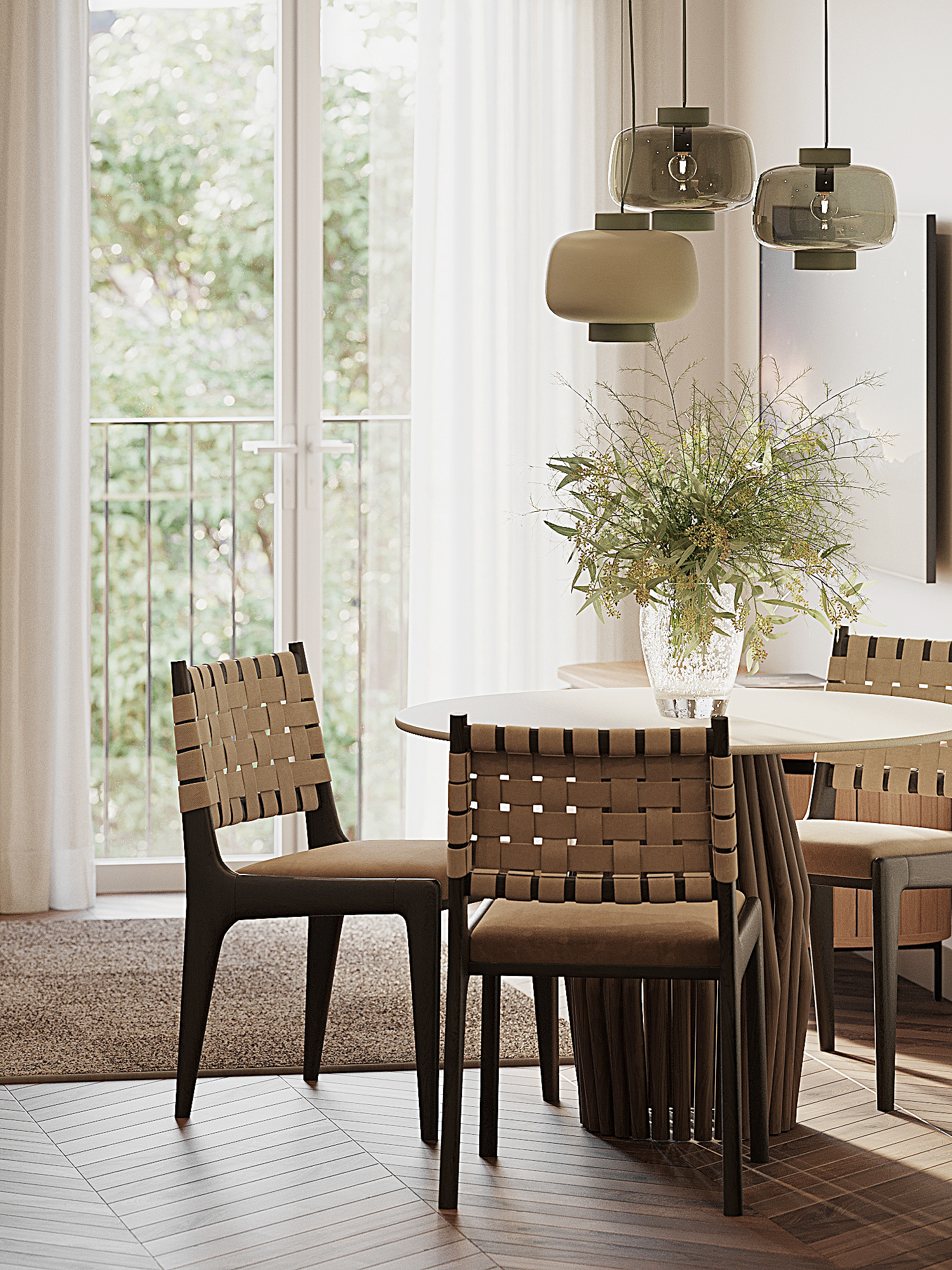
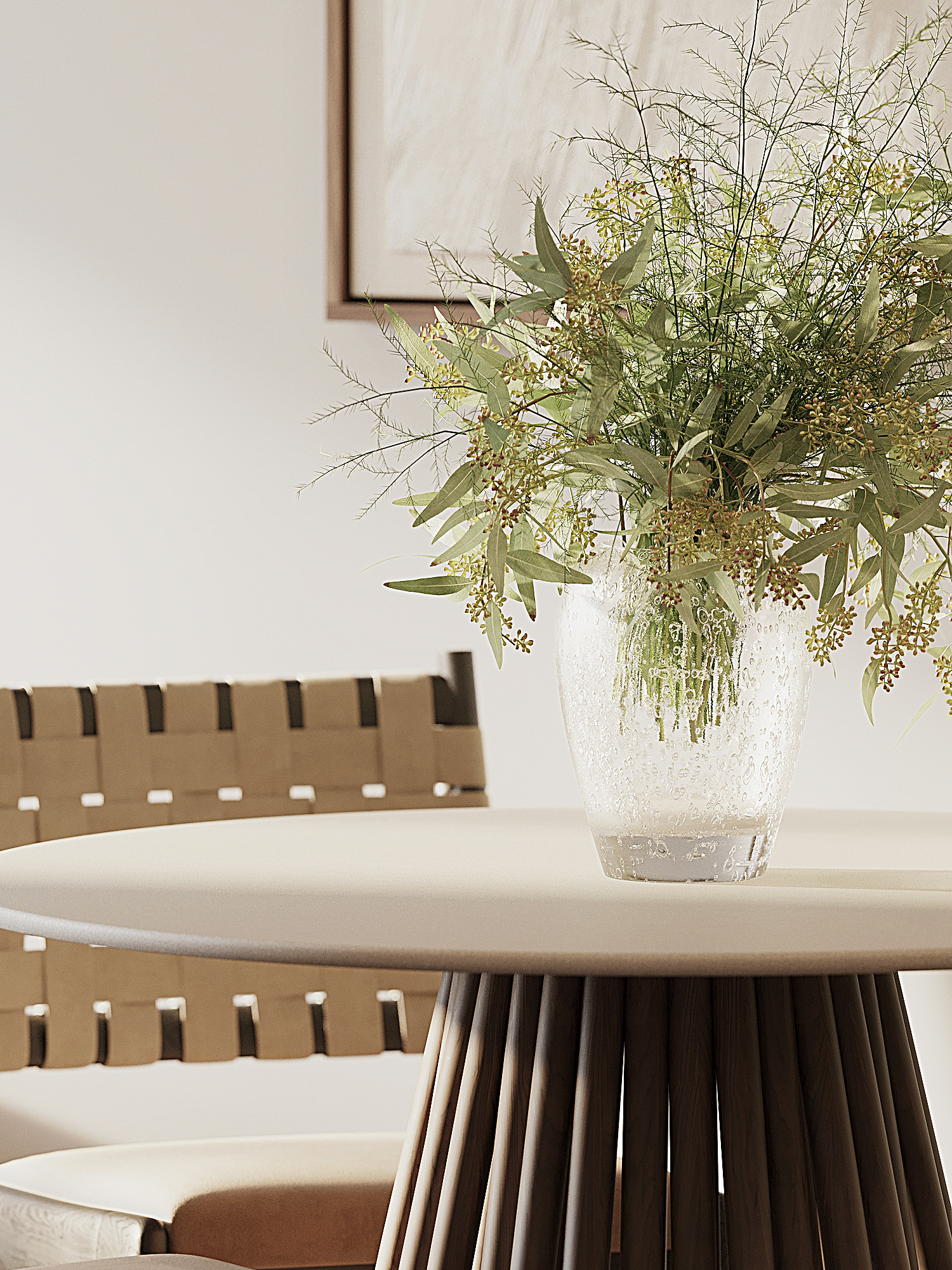
A More Strategic Approach to Property Visualisation
Architectural CGI is sometimes approached as a list of individual deliverables: three exteriors, four interiors, perhaps an animation.
But there is value in looking beyond the number of images.
A more strategic approach considers how the visuals will work together, what each needs to communicate and how they will support the development throughout its marketing campaign. It also helps teams identify opportunities to create supporting assets from an established visual direction, whether that’s additional camera views, close-up details, animation or VR experiences.
For marketing teams managing multiple channels and deadlines, having that direction agreed early can make the production process more straightforward. And for developers, it helps ensure that the investment in architectural visualisation supports more than one moment in the campaign.
The objective is to create a coherent collection of visual assets that can be used confidently across the development’s marketing journey.
Frequently Asked Questions
Why is visual consistency important when marketing an off-plan development?
Visual consistency helps prospective buyers build a clear understanding of a development before it has been constructed. When CGI imagery, branding, brochures, websites and other marketing materials communicate a cohesive identity, they reinforce the same design intentions and positioning.
What marketing visuals are needed for a property development launch?
This depends on the scale of the development, target audience and marketing strategy. Common assets include exterior CGIs, interior CGIs, architectural animations, VR tours and close-up detail imagery. Planning these together helps create a consistent visual direction across the campaign.
How can developers ensure their CGI imagery matches their branding?
Developers can share brand guidelines, architectural information, material specifications, mood boards and marketing objectives with their CGI studio before production begins. Early collaboration between the developer, marketing team, branding agency and visualisation studio helps align the creative direction.
Can the same CGI images be used across websites, brochures and social media?
Yes. Architectural CGIs can often be used across multiple marketing channels, provided the image composition, resolution, format and licensing are appropriate. However, additional views or alternative crops may be beneficial for certain platforms. Planning these requirements early helps maximise the usefulness of the imagery.
How do I choose a CGI studio for a property development?
Look for a studio that understands both architectural accuracy and the wider purpose of property marketing. Alongside image quality, consider its experience with similar developments, ability to interpret a brief, communication process and range of services. A studio that can produce coordinated interior and exterior CGIs, animation and VR tours may also help maintain consistency across different visual formats.
Can one CGI studio support a complete property marketing campaign?
An architectural visualisation studio can support the visual side of a property campaign by creating a coordinated package of CGIs, animations, VR tours and supporting imagery. Working alongside developers, architects and marketing agencies helps ensure those assets reflect the wider campaign strategy and brand identity.
Bringing the Whole Picture Together
When a development hasn’t yet been built, its marketing materials are often the first opportunity people have to understand what it will become. Every image contributes to that impression. A clear visual direction helps ensure those images aren’t working independently, but together, building a consistent and recognisable picture of the development across every touchpoint.
At North Made Studio, we work with developers, architects and marketing teams to create architectural CGIs, animations and VR experiences that support the wider objectives of a property campaign.
Whether you’re preparing for an upcoming launch or developing a visual strategy for a new scheme, we can help define the right imagery, creative direction and deliverables for your project.
Planning a property development launch? Get in touch with North Made Studio to discuss how we can bring your visual marketing together.