How do you help someone connect with a place they cannot physically visit?
It’s one of the biggest challenges in off-plan property marketing.
When a development is still on the drawing board, prospective buyers cannot walk through the front door, experience the proportions of a room or get a feel for the atmosphere of a space. They’re being asked to make decisions about somewhere that doesn’t yet exist. Floor plans, specifications and architectural drawings provide important information, but they don’t always communicate what it might actually feel like to live in a property.
This is where visual storytelling becomes valuable.
Through carefully considered architectural CGIs, cinematic animations and interactive VR tours, developers can communicate more than the physical appearance of a scheme. They can help buyers understand its character, explore its spaces and imagine how those spaces might fit into their lives.
But effective visual storytelling isn’t simply about creating beautiful images. It’s about understanding the audience, identifying what makes a development distinctive and choosing how best to communicate those qualities.
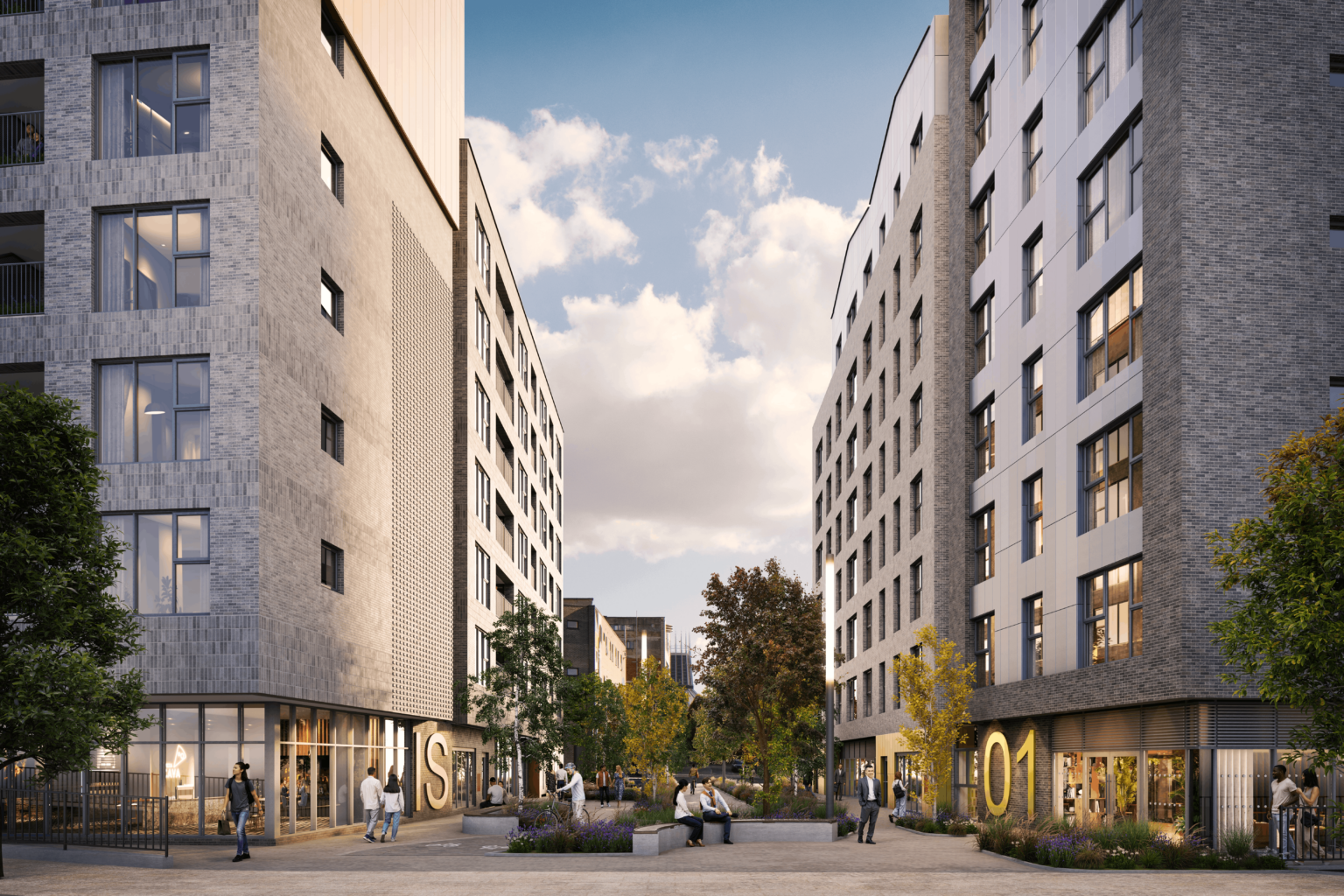
CGI Visual: Abbey Row, Liverpool
An example of a strong exterior CGI that establishes the development’s architectural character and immediate setting – communicating a place before it exists.
The Challenge of Marketing a Development That Doesn’t Yet Exist
Selling property off-plan presents a unique communication challenge.
Unlike an existing home, there’s no physical environment for prospective buyers to experience. They cannot judge how natural light enters a room, understand how spaces connect or see how the building sits within its surroundings. Instead, they rely on the information provided by the developer and marketing team to build an understanding of the proposed property.
Architectural visualisation helps bridge that gap.
A well-considered CGI can communicate the layout, proportions, materials and intended atmosphere of a space, while animation and VR can offer additional ways to explore the development. However, the value of these visuals depends on what they’re communicating. A technically impressive image might accurately represent the architecture, but does it help the intended audience understand what makes the development worth considering?
That’s where visual storytelling comes in.
Showing a Space vs Helping Someone Imagine Living There
There’s an important difference between showing someone what a room looks like and helping them understand how that room could be experienced.
Consider two CGIs of the same residential interior.
One might present the room from a straightforward architectural viewpoint, clearly showing the layout, furniture and finishes. Another might use a more carefully considered composition, natural lighting and subtle lifestyle details to communicate how the space could be used. Both images can be accurate representations of the same design. But they may communicate different things. The first provides information. The second adds a sense of atmosphere and purpose.
Neither is necessarily better. The right approach depends on what the image needs to achieve.
For property marketing, the strongest visual strategy often combines both. Buyers need practical information about the property, but they also benefit from understanding the character of the spaces they’re considering.
Effective architectural visual storytelling brings those two requirements together, combining design accuracy with a clear sense of place.
Start With the Audience, Not the Camera Angle
Before deciding on camera positions, lighting or interior styling, it’s worth considering who the imagery is intended to reach. Different buyers have different priorities.
A first-time buyer looking for a city-centre apartment may be interested in efficient layouts, contemporary finishes and proximity to local amenities. A family considering a new-build home may place greater emphasis on practical living spaces, natural light, outdoor areas and how rooms connect. For a premium residential development, buyers might be particularly interested in material quality, architectural detailing, generous proportions or shared amenities.
These are broad examples rather than fixed buyer profiles, but they demonstrate why the intended audience should influence the visual direction. The same development could be presented in several ways depending on which features are most relevant to its prospective buyers.
This doesn’t mean changing or exaggerating the architecture. It means making informed decisions about what to highlight.
Using lifestyle cues with purpose
Lifestyle cues can help communicate how a space might be used. A dining table set for a meal, a reading chair positioned beside a window or a thoughtfully furnished communal lounge can suggest the everyday activities a development is designed to accommodate. However, these details should feel appropriate to the property and its intended audience.
Adding expensive furniture, dramatic styling or elaborate accessories doesn’t automatically make an image more effective. Sometimes, a simple and believable interior tells a more relevant story.
The objective is to help prospective buyers understand the possibilities of the space, rather than present an unrealistic lifestyle.
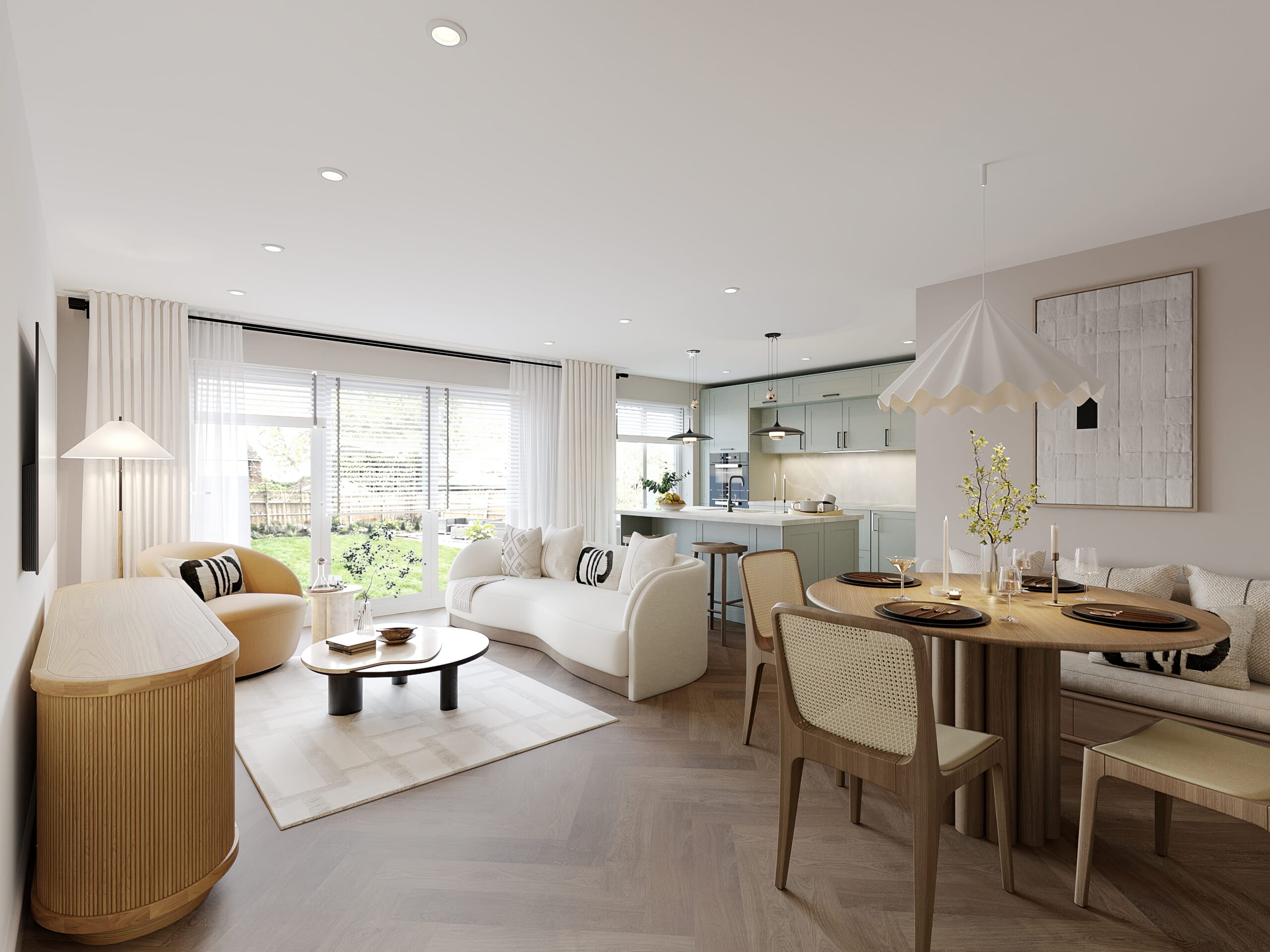
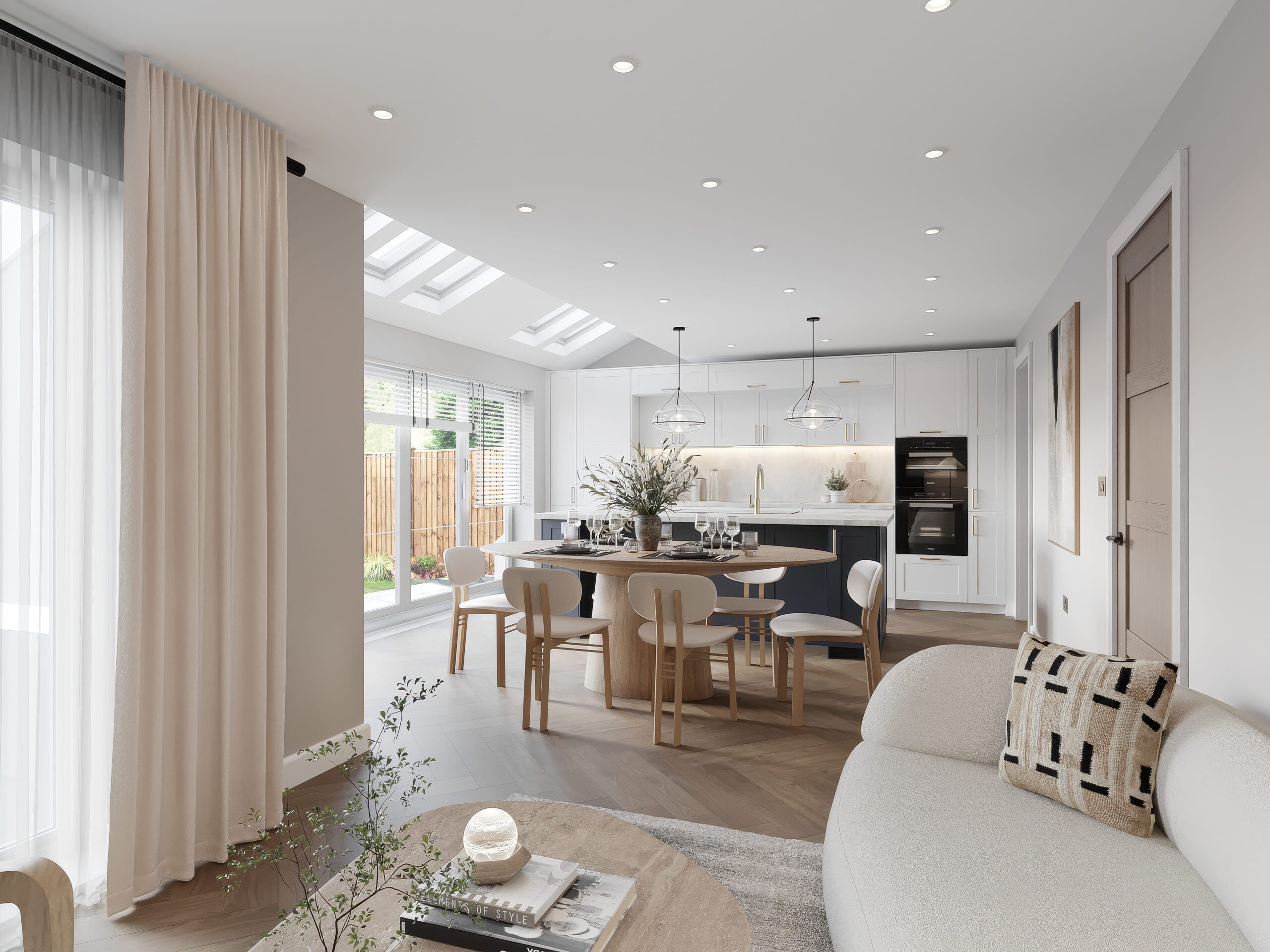
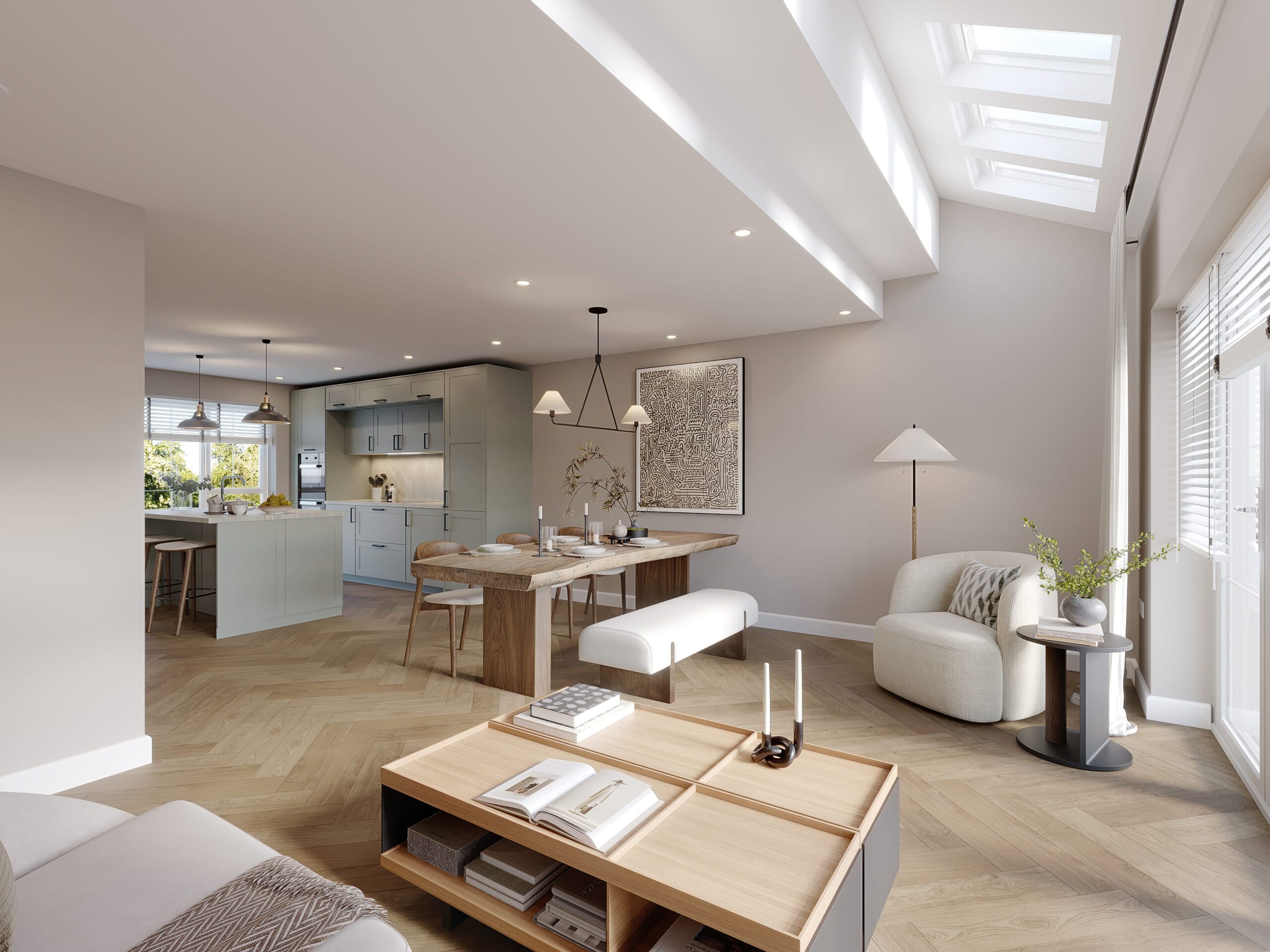
CGI Visuals: The Meadows, Langho
An example of furnished kitchen-dining CGIs showing how interior styling, furniture and layout help communicate everyday family living.
Human Scale: Helping Buyers Understand Space and Proportion
One of the challenges with architectural drawings and empty interior spaces is understanding scale. Room dimensions provide essential information, but not everyone finds it easy to translate measurements into a sense of physical space. Architectural CGI can help make those dimensions more understandable. Furniture, architectural details and carefully positioned people can all provide familiar points of reference.
For example, showing a dining table within an open-plan kitchen can help communicate how the space accommodates everyday activities. A furnished bedroom can demonstrate how the proposed layout works around a bed, bedside tables and circulation space. In exterior visuals, people can help communicate the scale of a building, entrance or public realm.
These elements should be used thoughtfully. Overcrowding an image with people or furniture can distract from the architecture, while unrealistic proportions may create a misleading impression of the space.
The aim is to communicate scale clearly, while maintaining an accurate representation of the proposed design.
Atmosphere: Communicating More Than Architecture
Architecture defines the physical space, but atmosphere influences how that space is presented and perceived.
Lighting, materials, colour, composition and styling all contribute to the character of an architectural visual. A bright residential interior with soft daylight and natural finishes may communicate a very different atmosphere from a dramatic evening view of a contemporary city apartment. Both approaches can be appropriate, depending on the development and its positioning.
At North Made Studio, we consider how these elements work together to communicate the intended character of a scheme.
Rather than treating atmosphere as something added at the end of production, it can form part of the visual direction from the outset. The result should feel consistent with the architecture, interior design and wider identity of the development.
Why materiality matters
Materials are an important part of visual storytelling.
Timber, stone, brickwork, glazing, fabrics and metal finishes each contribute to the appearance and character of a space.
In residential interiors, the way these materials are represented can help communicate the proposed specification and design quality. A close-up CGI highlighting kitchen finishes, for example, may tell buyers something different from a wide-angle view of the entire apartment. One communicates the overall space. The other draws attention to the detail. Used together, they provide a more complete understanding of the property.
Importantly, materials should be represented in line with the proposed specification wherever possible. The objective isn’t simply to create an attractive image, but to communicate the intended design accurately.
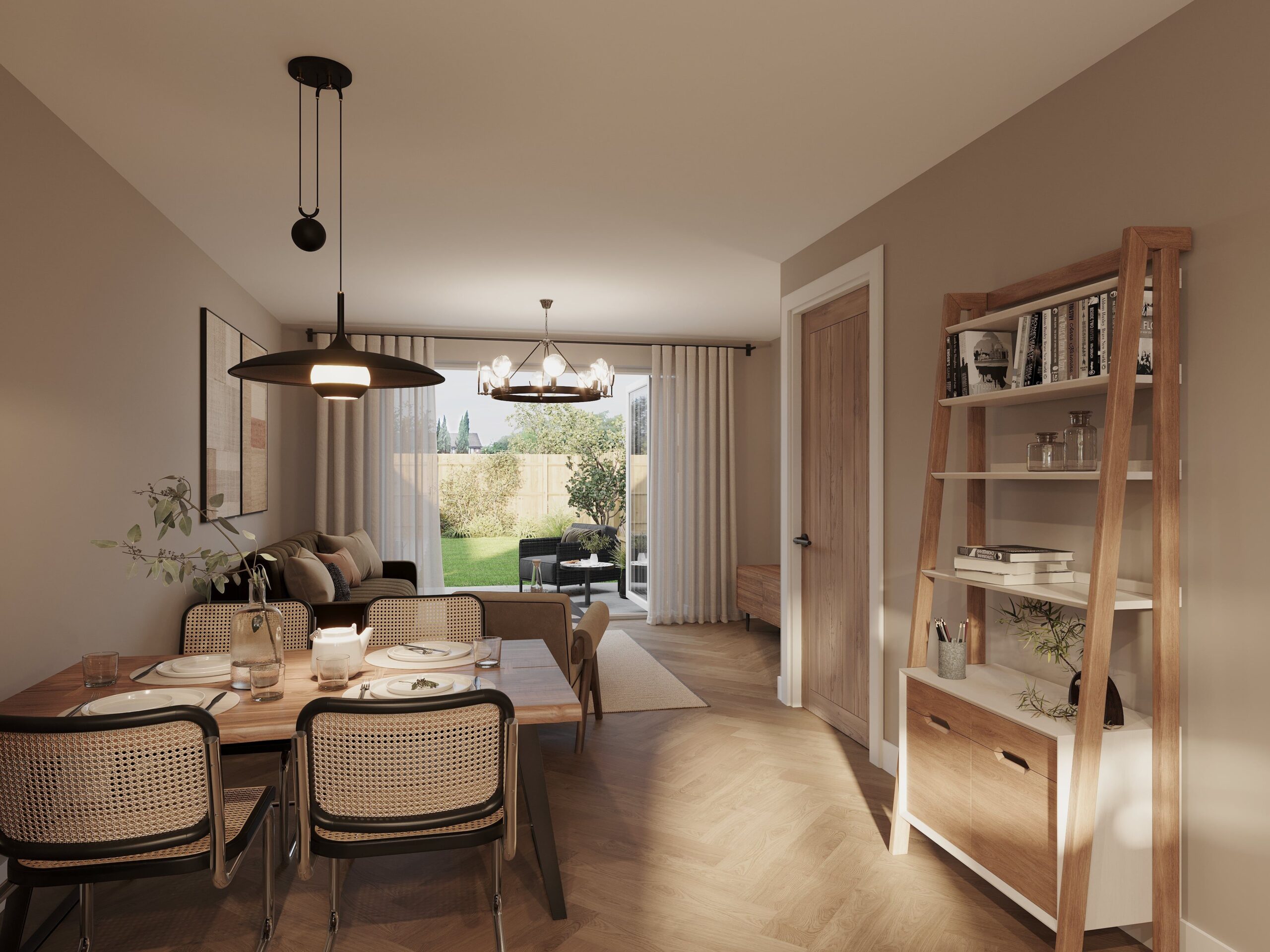
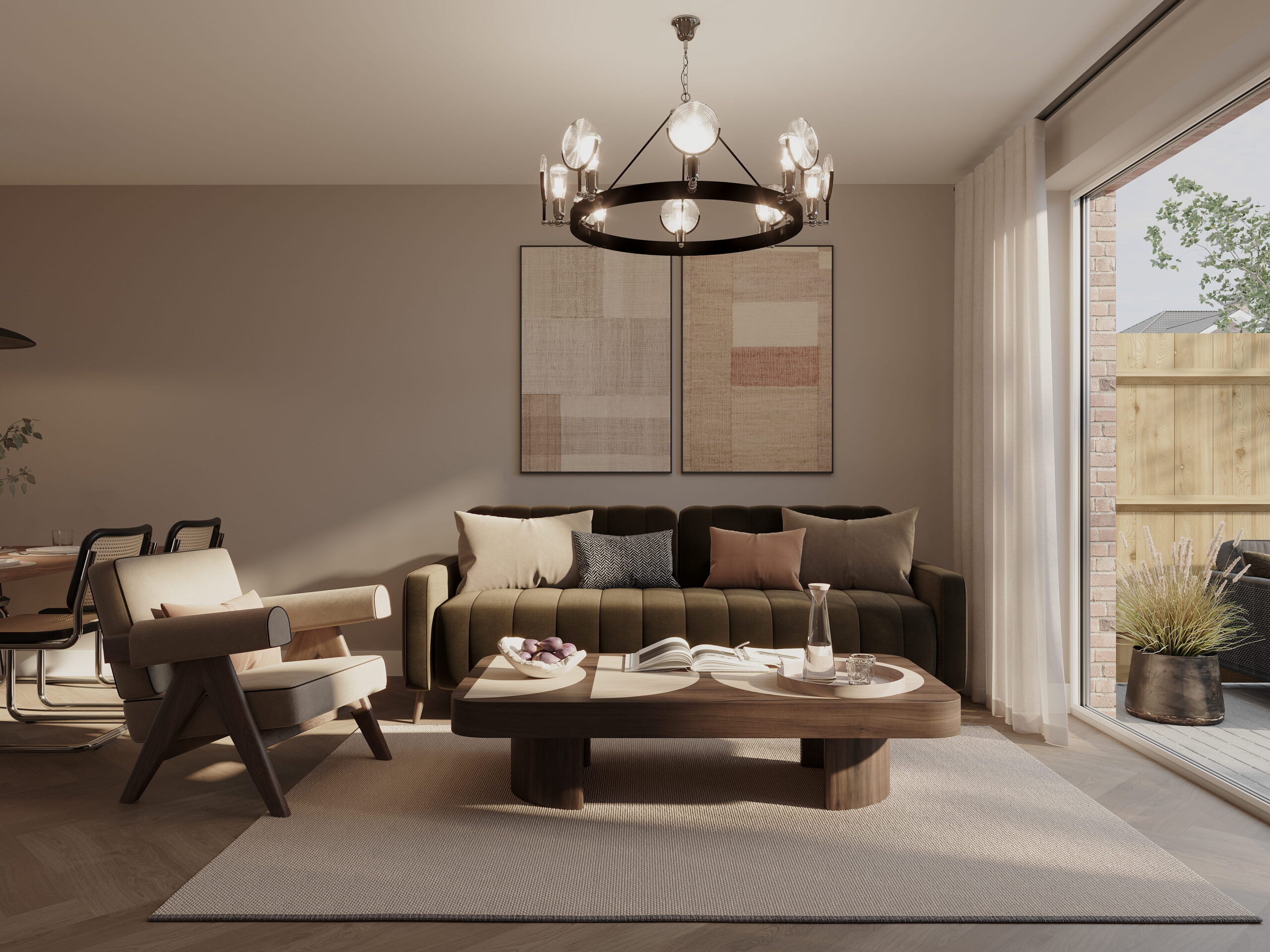
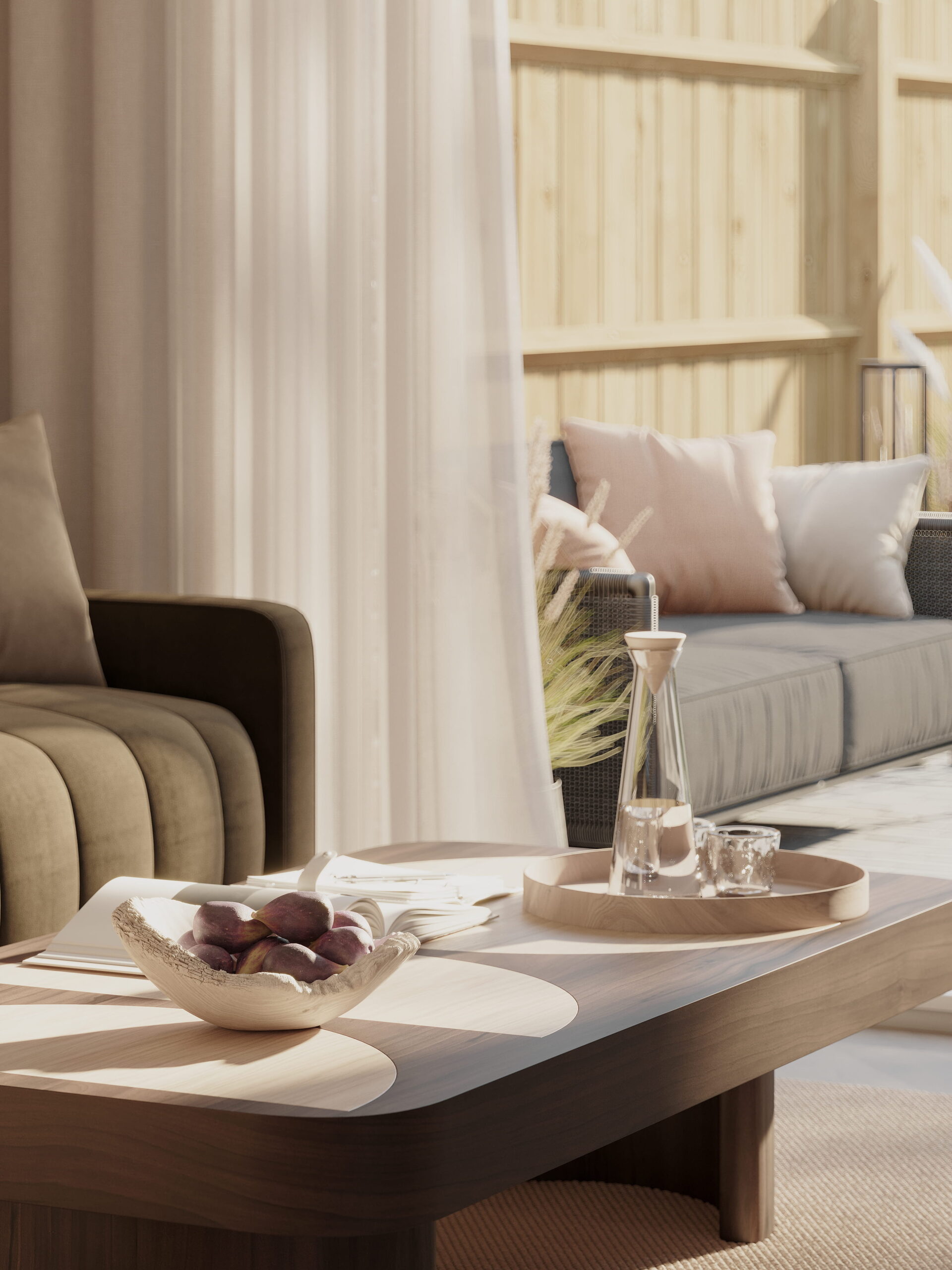
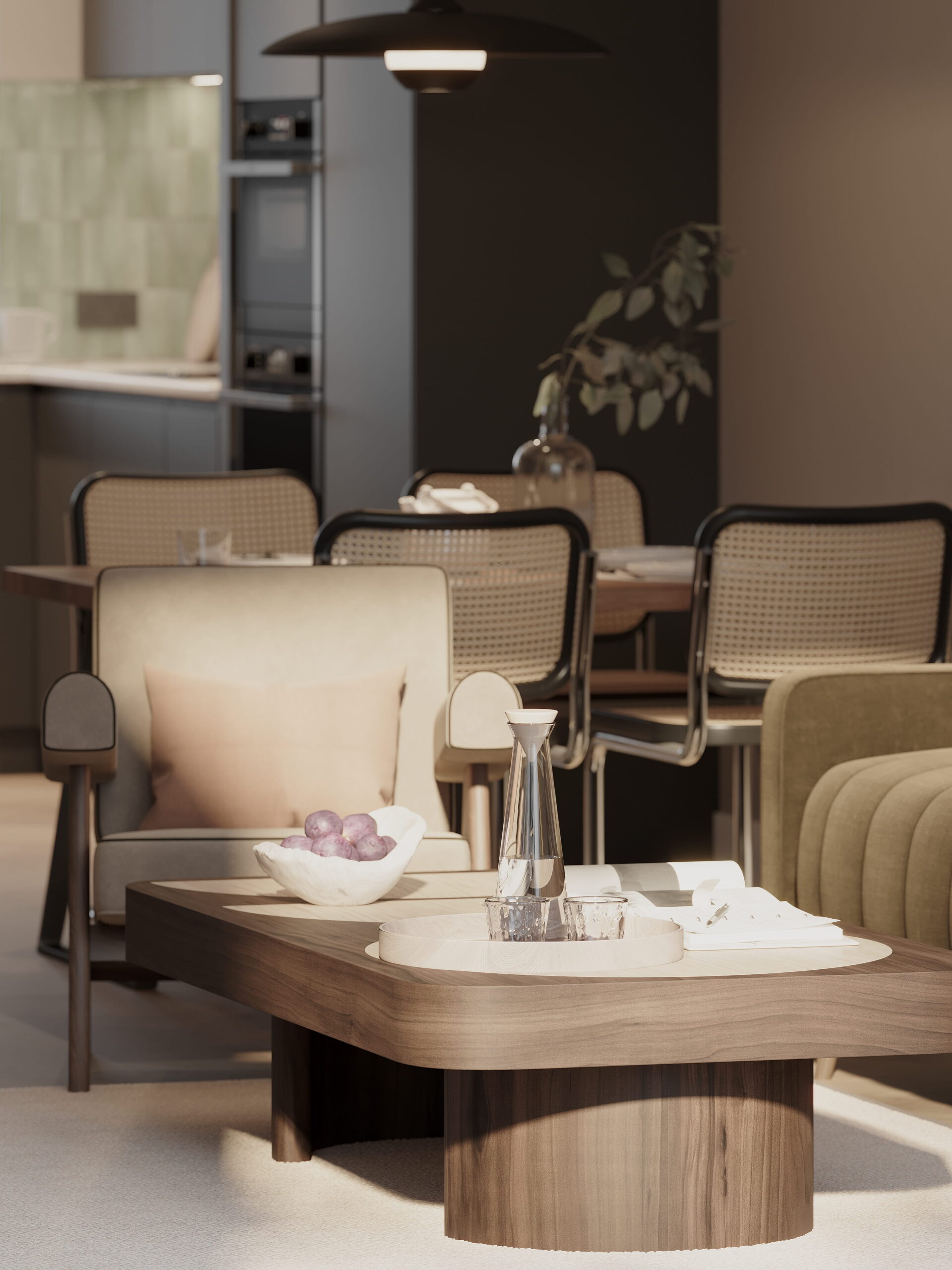

CGI Visuals: Empress Court, Stockport
An example of interior CGIs with interesting finishes, lighting and furniture detailing.
The Role of Lighting and Time of Day
Lighting can significantly change how a space is presented.
A daytime exterior CGI might emphasise the building’s architectural form, materials and relationship with its surroundings. An evening view could communicate the atmosphere of the entrance, the lighting of communal areas or the development’s relationship with the surrounding cityscape. Similarly, natural daylight within an interior can help illustrate the relationship between windows, room layout and finishes.
Different lighting approaches can therefore communicate different aspects of the same development.
However, lighting should always support the intended message rather than simply create visual drama. A beautifully illuminated evening image might be effective for a campaign’s hero visual, but a clear daytime view may be more useful when communicating architectural details.
There’s value in considering both, particularly when developing a wider collection of marketing assets.
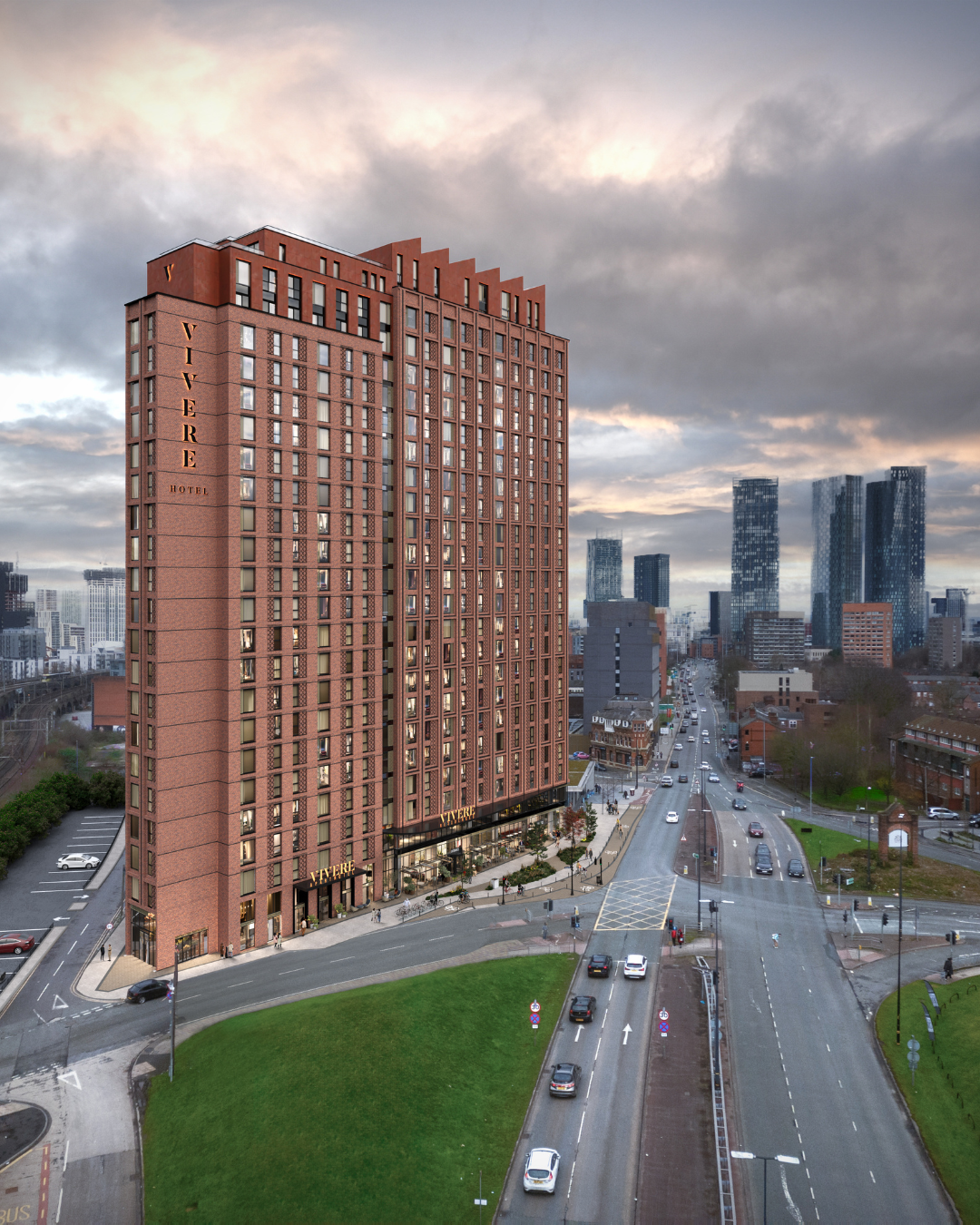
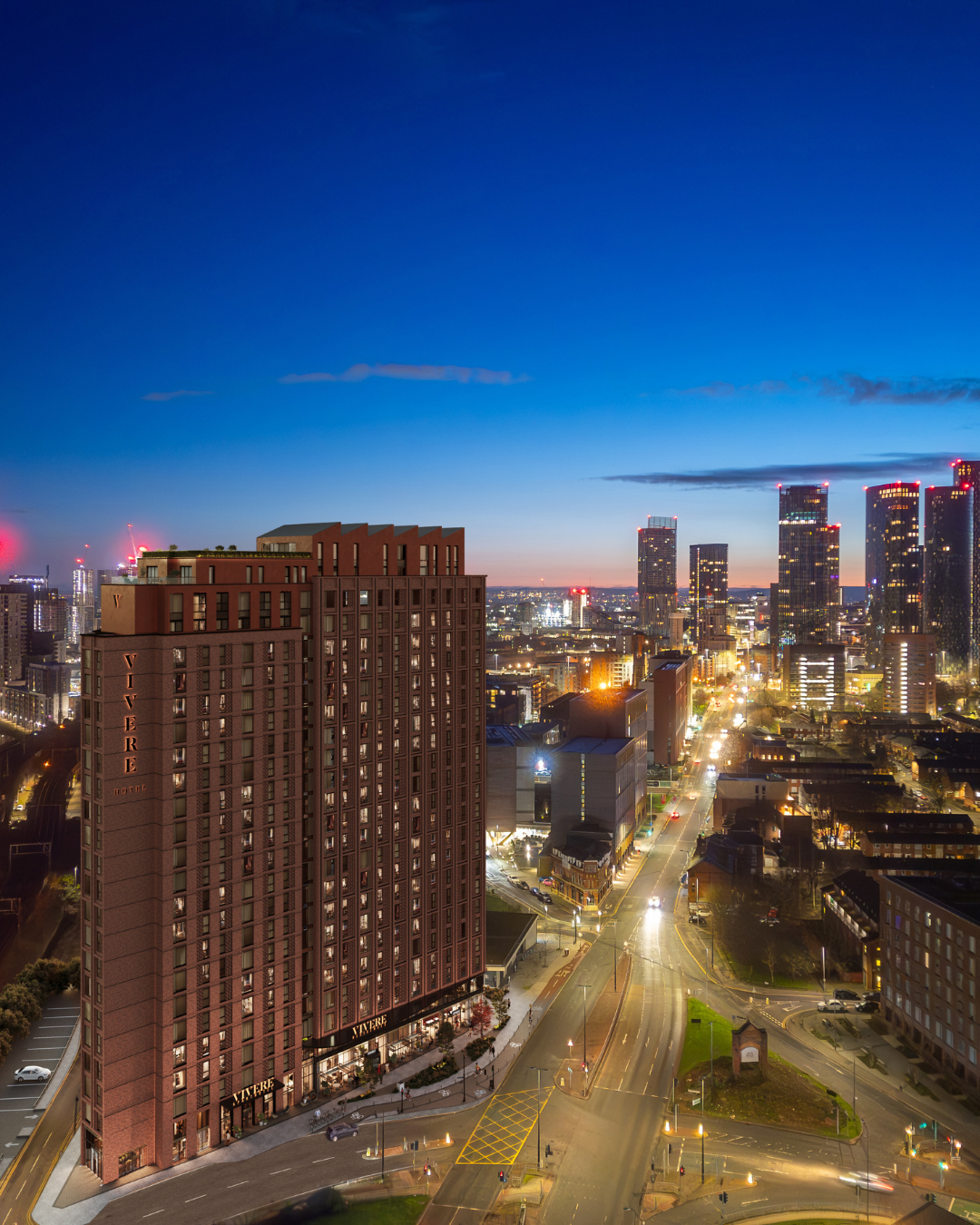
CGI Visuals: Vivere, Manchester
An example of how the same development can communicate different qualities through lighting and atmosphere.
Context: Helping Buyers Understand the Bigger Picture
A property doesn’t exist in isolation.
Its surroundings, connections and wider neighbourhood can be just as relevant to prospective buyers as the building itself. For city-centre residential developments, nearby transport links, public spaces, amenities and the surrounding urban environment may all contribute to the property’s appeal. For suburban housing schemes, buyers may be more interested in landscaping, outdoor space, neighbouring properties and the overall character of the development.
Architectural visualisation can help communicate this context.
Exterior CGIs and photomontage
Exterior CGIs can show how a proposed development sits within its immediate surroundings, helping buyers understand its scale, appearance and relationship with neighbouring buildings.
Photomontage can go a step further by integrating the proposed development into existing site photography. This can be particularly useful when communicating a development’s location and relationship with the surrounding environment.
Drone footage and architectural animation
Drone footage can provide a wider understanding of a site’s location, while motion-tracked CGI can show how a proposed building will appear within the existing environment. Architectural animation can also help connect different elements of a development, moving from the wider location into the building and through its interior spaces.
These approaches can communicate a broader story than an individual static image. For prospective buyers, this can help establish how the property relates to the place around it.

CGI Visuals: Abbey Row, Liverpool
An example of how visualisation can connect a proposed development to its real-world surroundings.
Building a Visual Story Across the Entire Marketing Campaign
Visual storytelling doesn’t need to happen within a single CGI. In fact, a coordinated collection of visuals can often communicate a development more effectively than relying on one hero image.
Different assets can answer different questions as buyers explore a scheme.
An exterior CGI might introduce the development and establish its architectural identity. An interior CGI can show the proposed living spaces and finishes. A close-up detail image might highlight the specification. An architectural animation can connect these elements into a more complete experience. And an interactive VR tour can allow prospective buyers to explore the proposed spaces at their own pace.
Creating a logical visual sequence
For developers asking what marketing collateral is needed to sell apartments off-plan, it can be helpful to think about the sequence in which buyers encounter information.
A visual campaign might follow this progression:
- Introduce the development
Establish the building’s identity, architecture and location through exterior CGIs and wider contextual imagery.
- Communicate the lifestyle
Use interior CGIs and amenity visuals to show the spaces and facilities available.
- Highlight the details
Draw attention to relevant materials, finishes, architectural features and specifications.
- Help buyers explore
Use cinematic animation or VR tours to provide a more connected understanding of the development.
- Support the sales conversation
Bring the visuals together across brochures, websites, presentations and other marketing materials, alongside floor plans and accurate property information.
Not every development needs every type of visual. The appropriate combination depends on the scheme, target audience, marketing objectives and budget.
The important thing is that each asset has a clear purpose and contributes to the overall story.
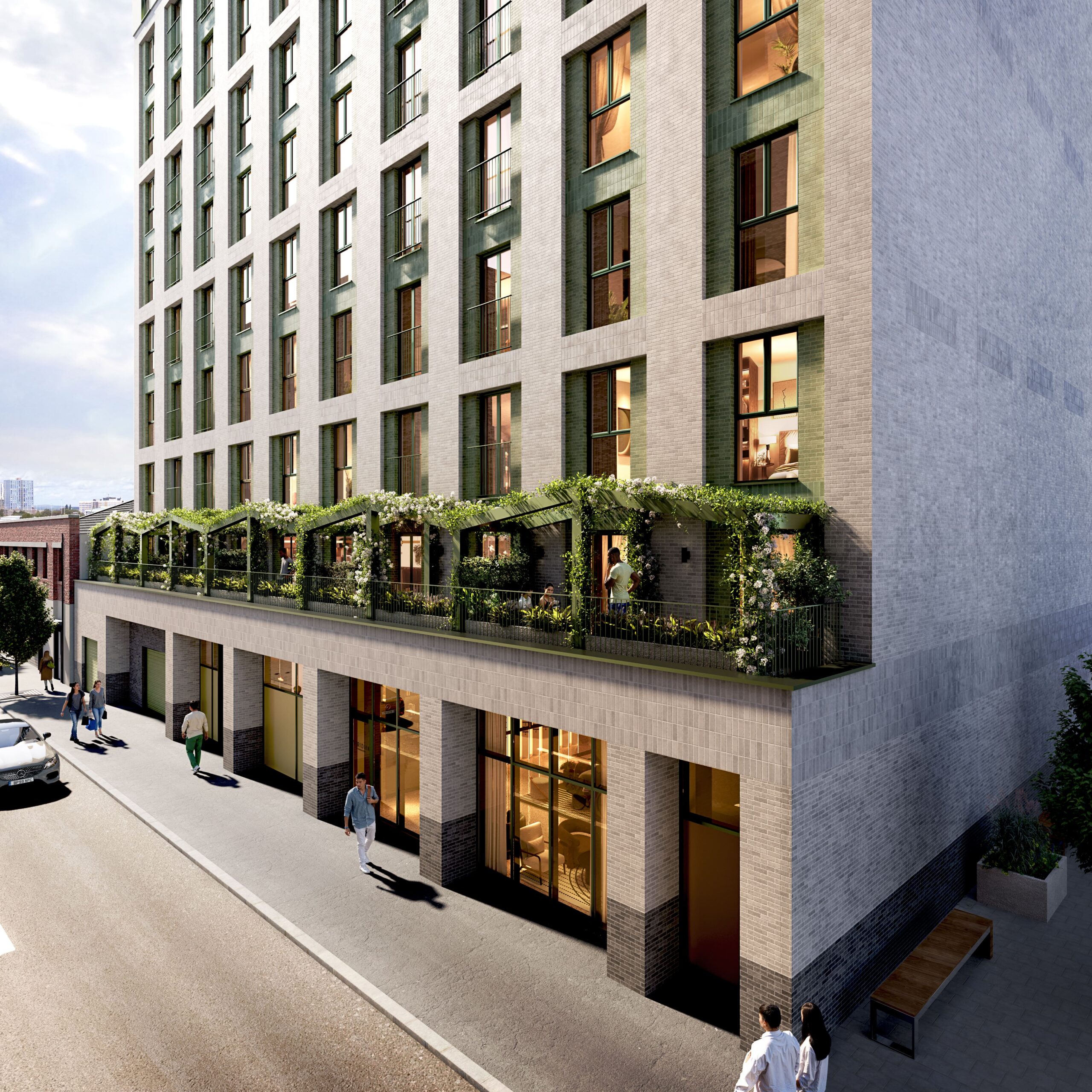
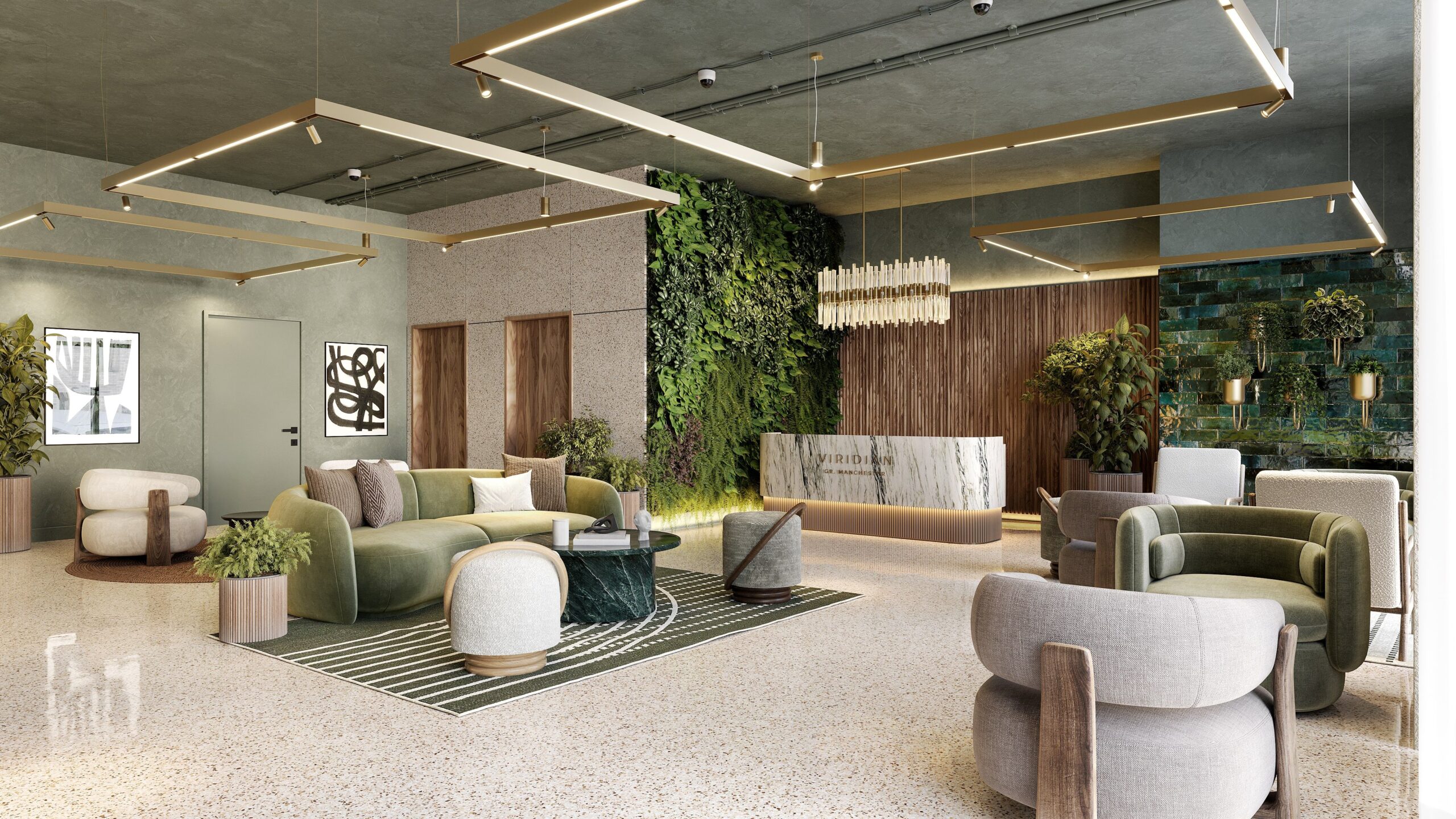
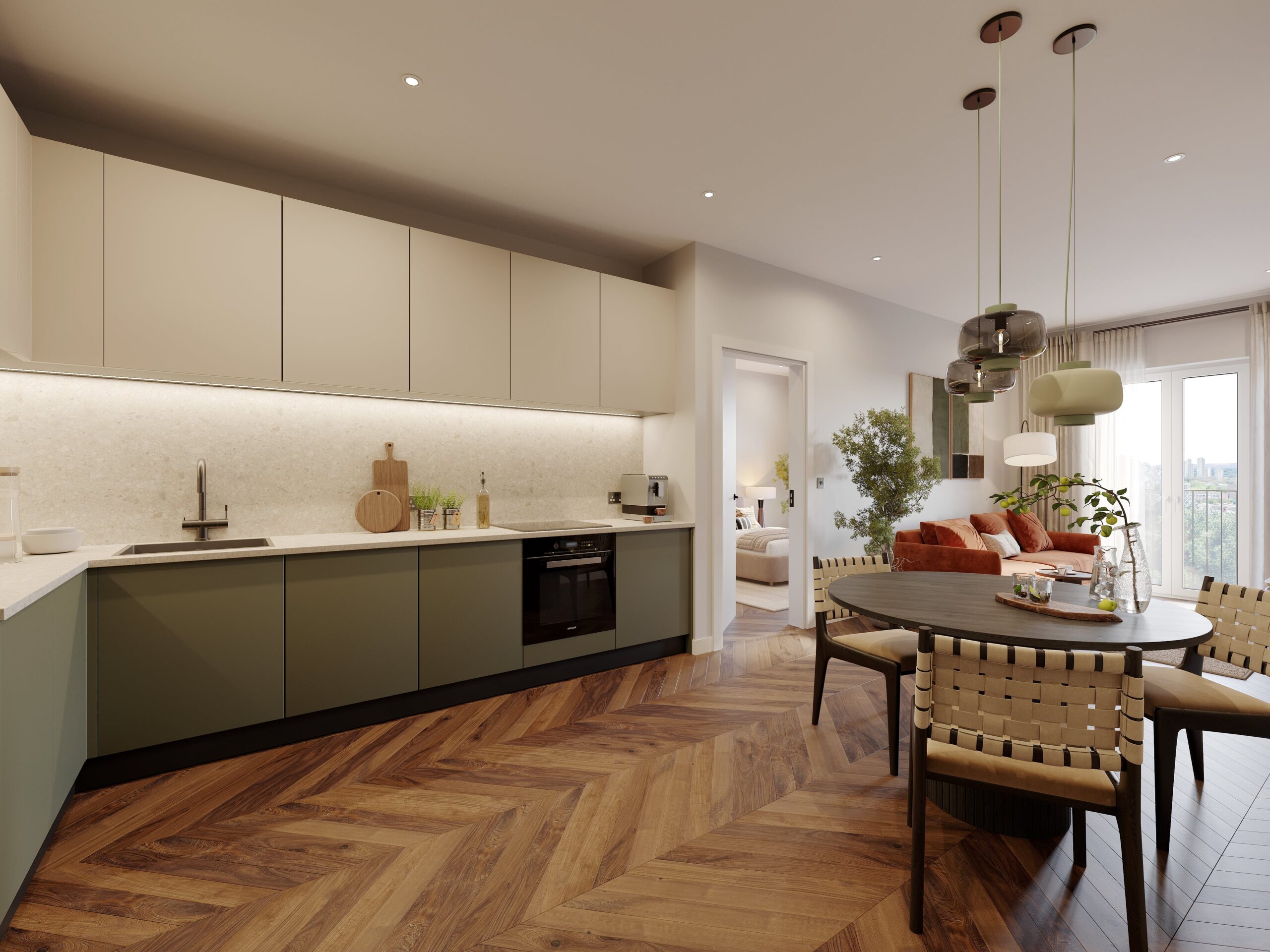
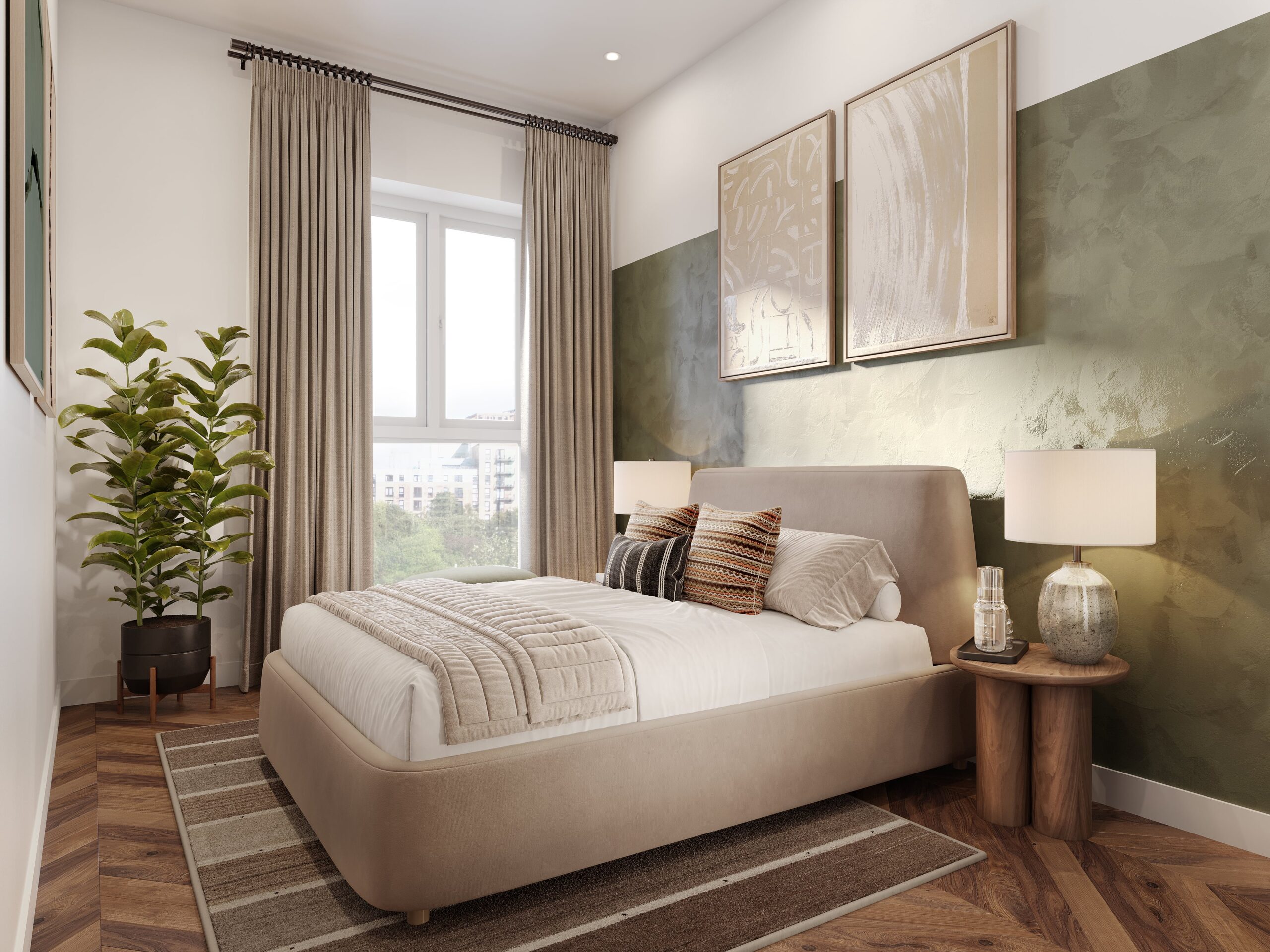
CGI Visuals: Viridian, Salford
An example of how how different assets contribute to a complete visual narrative.
Avoiding Generic Aspirational Imagery
Property marketing often relies on aspirational imagery. Beautiful interiors, carefully styled furniture and dramatic architectural views can all be effective in the right context.
But aspiration alone doesn’t necessarily communicate what makes a particular development distinctive.
If every scheme is presented through the same visual language, there’s a risk that the imagery becomes interchangeable. A luxury apartment development, a family housing scheme and a contemporary build-to-rent community may all require different approaches. Their architecture, intended audiences and key selling points aren’t the same, so their visual storytelling shouldn’t be identical either.
This is why understanding the development before production begins is so important.
- What makes the scheme different?
- Which features are most relevant to prospective buyers?
- What should someone understand after seeing the visuals?
- And what impression should the imagery leave?
Answering these questions helps establish a visual direction that is specific to the project, rather than relying on generic ideas of what property marketing should look like.
Visual Storytelling Starts With a Clear Brief
Effective visual storytelling isn’t simply a matter of choosing attractive camera angles or adding lifestyle details during production. It starts with understanding the development, the audience and the purpose of the imagery.
For developers and marketing teams commissioning architectural CGI, this means thinking beyond the number of images required.
A useful visualisation brief should consider:
- Who the intended buyers are.
- What makes the development distinctive.
- Which spaces, features and specifications should be prioritised.
- What each visual needs to communicate.
- How the imagery will be used across the marketing campaign.
- Whether additional assets, such as animation or VR tours, would help communicate the scheme.
These conversations can help establish a more purposeful approach before production begins. They also provide a clearer foundation for decisions about composition, styling, lighting and visual consistency.
At North Made Studio, we believe architectural visualisation should be approached as part of the wider property marketing strategy, rather than simply a collection of individual images. The aim is to create visuals that communicate the development clearly, accurately and in a way that is relevant to its intended audience.
Frequently Asked Questions
How can CGI help sell a residential development before completion?
Architectural CGI allows developers to show prospective buyers what a property is intended to look like before construction is complete. Exterior and interior visuals can communicate the proposed architecture, layouts, materials and atmosphere, helping buyers understand the development alongside floor plans and specifications.
How do you market an off-plan property development before construction starts?
Developers can use a coordinated combination of exterior CGIs, interior visuals, architectural animation, VR tours, brochures, development websites and other marketing materials. The most appropriate approach depends on the scheme, its target audience and the information buyers need to make informed decisions.
Why is visual storytelling important in property marketing?
Visual storytelling helps communicate more than the physical appearance of a property. By considering the audience, atmosphere, scale, materials and surrounding context, developers can help prospective buyers understand how a proposed space might be experienced and what makes the development distinctive.
What visuals do property developers need for a new scheme launch?
A typical visual package may include exterior architectural CGIs, interior CGIs and selected detail views. Depending on the project, developers may also benefit from cinematic animation, drone-integrated visuals or interactive VR tours. Each asset should serve a defined purpose within the marketing campaign.
How can VR tours help buyers understand an unbuilt property?
Interactive VR tours allow prospective buyers to explore a digitally recreated space before it physically exists. They can help communicate room layouts, spatial relationships and the overall flow of a property, providing a different perspective from static imagery.
How do I choose a CGI studio for a property development?
Look for a studio with relevant architectural visualisation experience, a strong portfolio and an understanding of property marketing. Beyond technical quality, consider whether the studio can help define the purpose of the imagery, identify the most relevant views and maintain a consistent visual direction across the campaign.
Helping Buyers See the Potential Before It Becomes Reality
When marketing an unbuilt development, the challenge isn’t simply to show what the architecture will look like. It’s to help prospective buyers understand the spaces, appreciate the details and build a clearer picture of the place being created.
Thoughtful visual storytelling brings together architectural accuracy, audience understanding and creative direction to communicate a development in a way that feels relevant and believable. From the atmosphere of an interior to the context of the surrounding neighbourhood, every visual decision has a role to play.
At North Made Studio, we work with developers, architects and property marketing teams to create architectural CGIs, cinematic animations and VR tours that communicate developments before they’re built. By understanding the intended audience and marketing objectives from the outset, we help establish a visual approach that supports the wider campaign.
Planning the marketing for an upcoming development? Let’s talk about who you’re trying to reach, what makes your scheme distinctive and how the right visuals can help communicate its story.