A guide from North Made Studio to help you get the most from your CGI projects.
High quality CGI can enhance a development, attract buyers earlier in the sales cycle, and bring design concepts to life long before construction begins. At North Made Studio, we see how powerful accurate and engaging visuals can be. We also see how small missteps early in a project can slow production and affect the final result.
This guide explains the most common mistakes we see when clients commission CGI and how to avoid them. Clear communication and the right preparation help you get the best outcome from your investment.
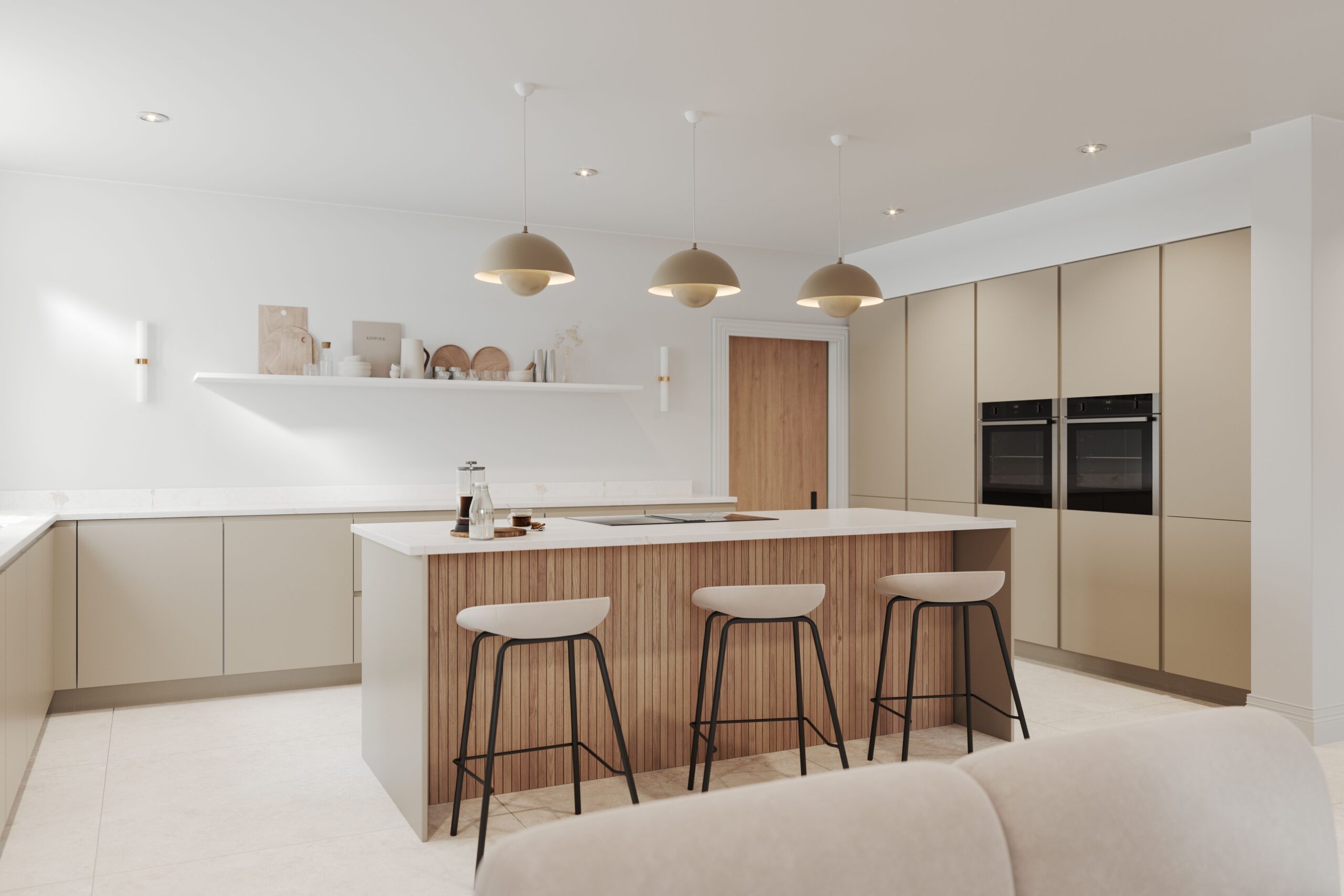
1. Providing an Incomplete or Vague Project Brief
What happens
When key details are missing, our artists must make assumptions. This can cause inaccuracies and additional revision rounds. Typical missing items include finishes schedules, landscaping concepts, or structural plans.
How to avoid it
Provide complete architectural drawings, elevations, material references, lighting plans, and any mood or style inspiration you have. The more detail we receive at the start, the more accurate the first draft will be.
2. Expecting Timelines That Are Too Short
What happens
High quality modelling, lighting, and post production require time. If the timeline is compressed, it limits artistic development and slows approval later because changes must be made at a complex stage in the process.
How to avoid it
Ask us for a clear schedule at the beginning. We will outline the modelling phase, lighting and texturing stage, draft delivery, and revisions. Planning ahead ensures a smoother workflow and the strongest possible result.
3. Not Aligning on Visual Style Before Production Begins
What happens
Everyone involved may imagine a different visual style. Without alignment, the first draft can look off-brief and require major reworking.
How to avoid it
Share early examples of the look you want. These can include lighting preferences, colour palettes, staging references, or landscaping styles. A quick conversation about atmosphere and tone saves a lot of time later.
4. Giving Late or Fragmented Feedback
What happens
When feedback arrives from different decision makers at different times, the project slows down and comments may conflict.
How to avoid it
Collect feedback internally before sending it to our team. One point of contact helps us stay aligned with your vision and prevents unnecessary revisions.
5. Overstaging or Understaging Interiors
What happens
Overstaging makes interiors feel artificial. Understaging leaves scenes empty and flat. Incorrect furniture scale is one of the fastest ways to break realism.
How to avoid it
Decide how you want the property to feel and share reference interiors that match the target demographic. We can advise on layout, furniture scale, and staging levels to ensure the right balance.
6. Using CGI That Does Not Match the Approved Build
What happens
If visuals differ too much from the final materials or plans, the marketing can misrepresent the project and cause issues during sales.
How to avoid it
Keep all materials and plans up to date and share any design changes with us immediately. We always work from approved drawings to ensure accurate and trustworthy visuals.
7. Forgetting About Lighting and Time of Day
What happens
Lighting defines atmosphere. Choosing the wrong time of day or weather condition can dramatically change the mood of a scene.
How to avoid it
Agree on time of day, lighting tone, and weather before we begin. We can recommend lighting setups based on your audience and message, whether you want a warm evening glow, clean midday light, or a dramatic dusk scene.
8. Not Planning Where the CGI Will Be Used
What happens
If the project is created without planned usage, the final outputs may not fit print brochures, property portals, web banners, social media, or VR formats.
How to avoid it
Tell us how you plan to use the images. We can supply different resolutions, crops, aspect ratios, and additional assets such as 360 views, animations, and stills designed for specific channels.
9. Skipping Final Quality Checks
What happens
Small inaccuracies are easy to miss when deadlines are close. Once images go into print or online, corrections are more time consuming.
How to avoid it
Set aside time to review the final draft carefully. Compare it with your architectural plans, finishes schedules, and landscaping notes. We can guide you on what to check before sign off.
10. Choosing CGI Services Based Only on Price
What happens
Lower prices often mean reduced detail, limited communication, or shortcuts in lighting and material creation. This affects realism and, ultimately, the perception of your development.
How to avoid it
Evaluate a studio based on portfolio quality, accuracy, communication standards, and experience in your sector. A well executed set of visuals adds measurable value to a project, especially at the off-plan sales stage.
Summary of Best Practices
To get the strongest possible results from your CGI project:
- Start with a complete and detailed brief.
- Align on visual style early.
- Consolidate feedback before sending it to us.
- Agree a realistic timeline.
- Plan how each image will be used.
- Keep drawings and materials accurate and up to date.
Conclusion
CGI is one of the most effective tools in modern property marketing. With the right preparation and communication, you can achieve visuals that are accurate, engaging, and aligned with your project goals. At North Made Studio, we work closely with clients to create imagery that supports sales and helps developments stand out with clarity and confidence.
If you have a project in mind, we are always happy to advise on the best approach from the very start.