Planning CGI and marketing CGI explained
Architectural CGI can play an important role throughout the life of a property development. From early planning and stakeholder engagement through to launch, off-plan sales and ongoing marketing.
But should the same type of CGI be used at every stage?
Not necessarily.
A CGI created to help a planning committee understand how a proposed development will sit within its surroundings has a different job from an image designed to make a prospective buyer imagine living there. Both need to communicate the architecture accurately. Both can be visually compelling. But the audience, purpose and visual priorities behind them are often different.
Understanding that distinction can help developers, architects and marketing teams commission imagery that does more than simply show a building. It communicates the right information to the right people at the right stage of a project.
What is planning CGI?
Planning CGI is architectural visualisation created primarily to explain and communicate a proposed development clearly.
Before a scheme exists physically, planning teams, local authorities, stakeholders and communities may be working from architectural drawings, elevations, site plans and technical documentation. For people accustomed to reading those documents, they can provide a detailed picture of the proposal. For a wider stakeholder audience, however, it may be much harder to understand what those plans will mean in the real world.
CGI can bridge that gap.
Planning-focused imagery can help communicate:
- The scale and massing of a proposed development
- Its relationship with neighbouring buildings
- Architectural materials and façade treatments
- Landscaping and public realm
- Key viewpoints and approaches
- The relationship between new and existing architecture
- How the proposal may appear within its wider setting
The objective is primarily understanding rather than persuasion. Accuracy, context and clarity therefore become particularly important.
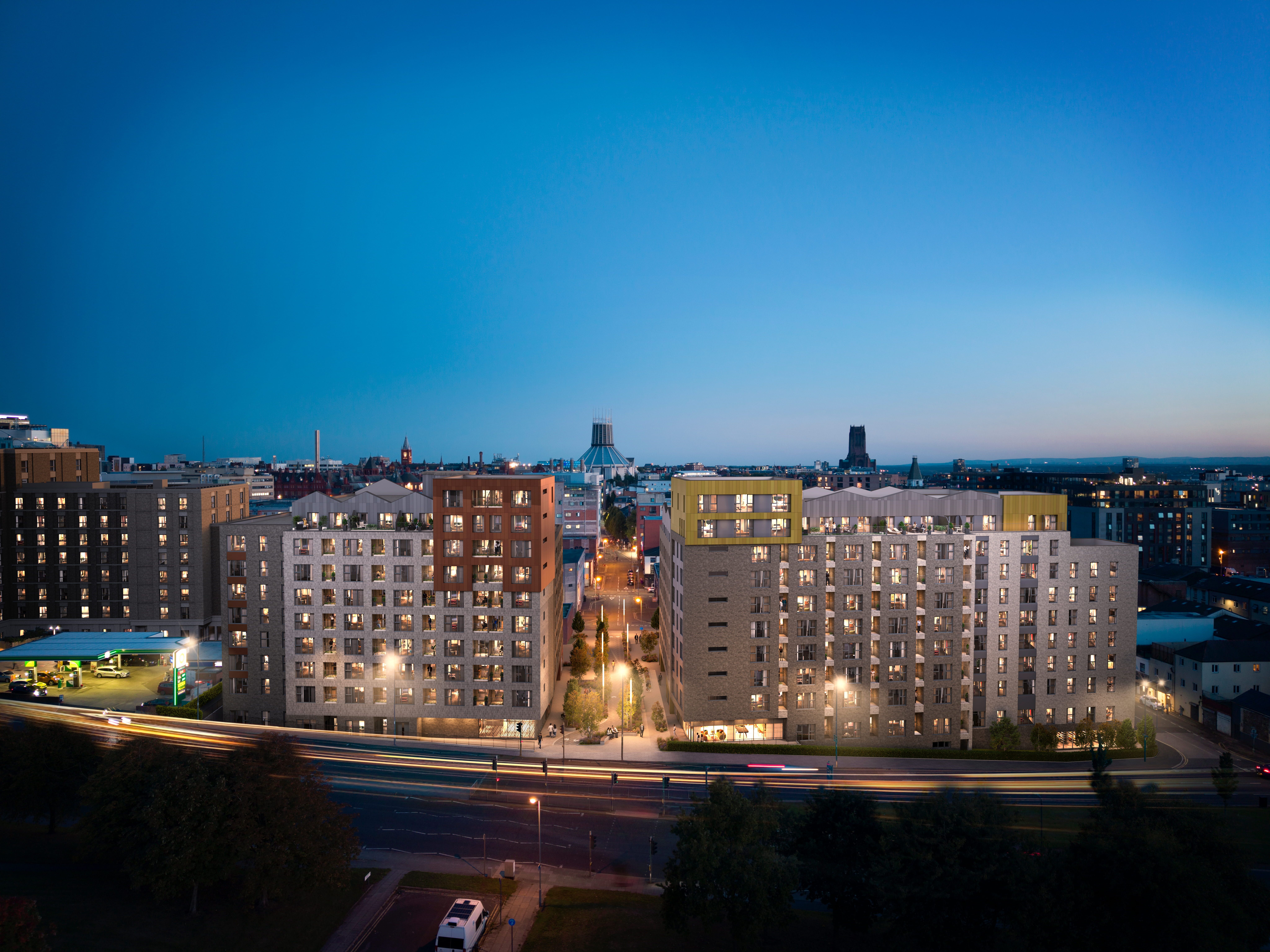
Planning-focused CGI can help stakeholders understand the scale, architecture and relationship of a proposed development to its surrounding context.
CGI Visual Example: Abbey Row, Liverpool
Where the assessment requires technically verified imagery, discuss verified views and planning visualisation with the project team. Agree the purpose, viewpoints and required method before commissioning.
What is marketing CGI?
Marketing CGI has a different primary objective. Rather than simply helping an audience understand what is being proposed, it often needs to help them imagine what it might be like to experience it.
For an off-plan residential development, for example, prospective buyers cannot walk through a finished apartment, photograph the view from the living room or experience the residents’ amenities. The marketing campaign therefore has to communicate a place that does not yet physically exist. Professional architectural CGI can help establish that visual world.
Marketing-focused CGI may include:
- Hero exterior imagery
- Interior apartment CGI
- Residents’ amenities and communal spaces
- Lifestyle and cameo imagery
- Aerial imagery
- Architectural animation
- Interactive VR tours
- Website and social media content
- Brochure and sales-suite imagery
Here, architectural accuracy remains important. Particularly when buyers are being shown a representation of a future property, but storytelling, audience relevance, atmosphere and positioning become more prominent.
The question shifts from simply:
“What will this development look like?”
to:
“Why should somebody want to live, invest or spend time here?”
Planning CGI vs marketing CGI: the key differences
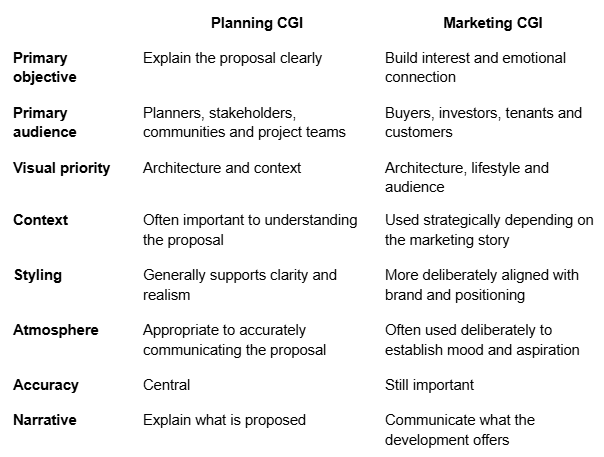
These aren’t rigid categories.
Some CGI imagery can successfully perform both roles, and the precise requirements will depend on the development, audience and brief. The important point is that CGI should be commissioned around what it needs to communicate, not simply because a project “needs some renders.”
Why context matters more in planning imagery
For planning purposes, a building rarely exists in isolation.
Its relationship with the surrounding environment can be just as important as the architecture itself. A close-up hero view might communicate façade materials beautifully, but it may say very little about the development’s scale relative to neighbouring buildings or how it affects a particular street scene. That is why planning-focused CGI often benefits from wider viewpoints.
Photomontage can be particularly valuable where an accurate representation of the proposal within an existing location is required. A site photograph can provide the real-world foundation, with the proposed architecture carefully integrated into the scene. The result gives stakeholders a more understandable representation of how the development relates to its setting.
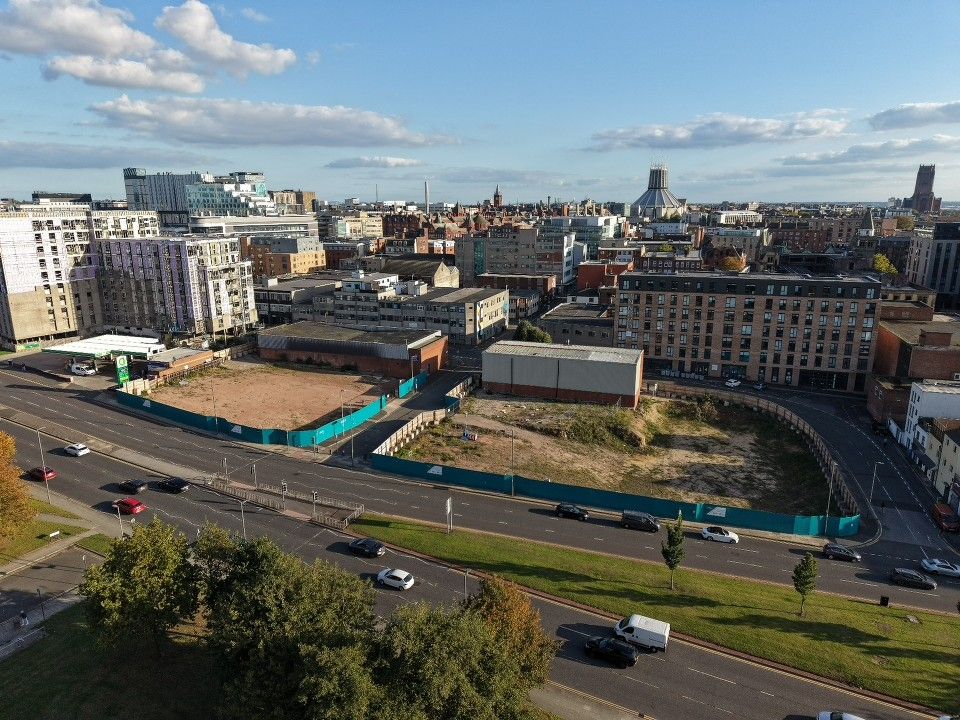
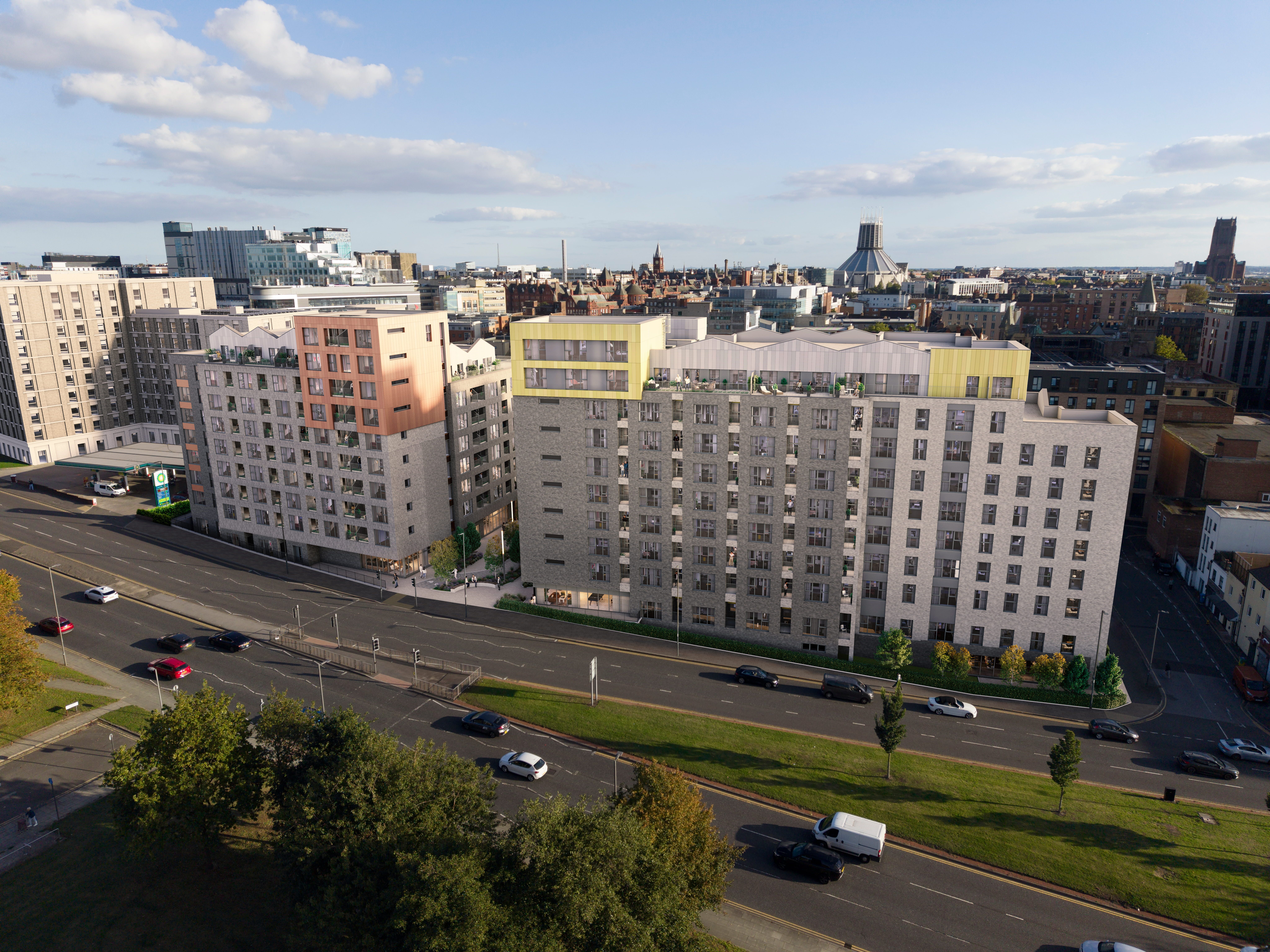
CGI Visualisation Example: Abbey Row, Liverpool
Marketing imagery needs to understand the audience
Once a development moves towards launch, the communication challenge changes. Knowing what a building looks like is no longer enough. Marketing teams need to consider who the development is for and what will make that audience connect with it. A city-centre investment apartment, premium family home, build-to-rent scheme and retirement development might all require completely different visual narratives.
That can influence:
- Interior styling
- Furniture selection
- Lighting
- People and demographic representation
- Lifestyle details
- Camera composition
- Amenities highlighted
- Time of day
- Landscape and external atmosphere
This is where CGI becomes closely connected to the wider property brand.
If the brand positions a development as calm, premium and design-led, but its CGI feels generic or disconnected from that positioning, the campaign can quickly become inconsistent. The strongest marketing CGI therefore doesn’t just visualise the architecture.
It helps visualise the brand.
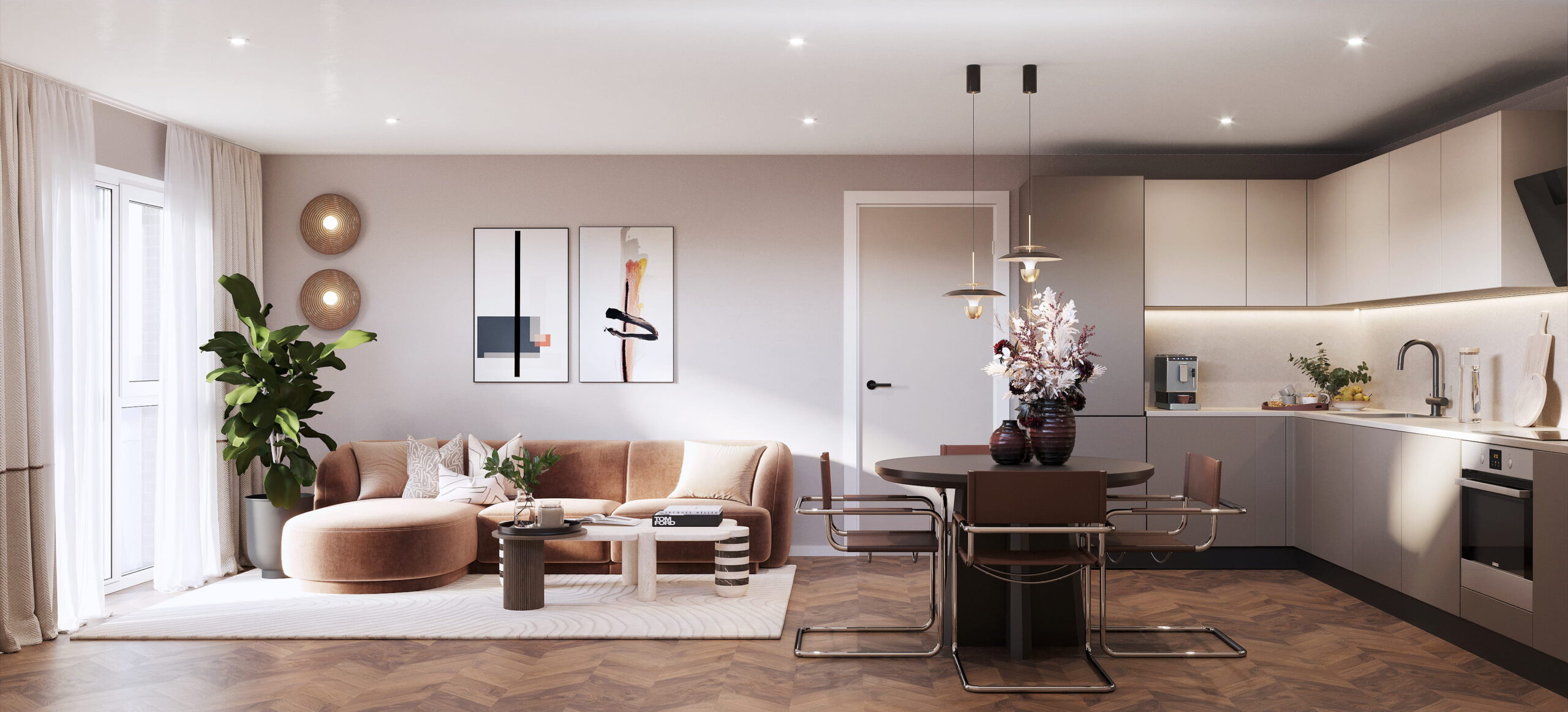
An example of a strong lifestyle-led interior CGI, with distinctive interior styling.
CGI Visual Example: Abbey Row, Liverpool
Can the same CGI be used for planning and marketing?
Sometimes. But it shouldn’t automatically be assumed.
A well-composed exterior CGI created during planning may later become useful for a website, brochure, press release or social campaign. Equally, a marketing image may still communicate the architecture extremely clearly. The question is whether the image remains suitable for its new audience and purpose.
For example, a planning CGI might accurately explain the massing and context of a residential scheme but lack the atmosphere or lifestyle positioning needed for a launch campaign.
Rather than asking:
“Can we reuse this CGI?”
a better question is:
“Does this CGI communicate what this audience needs to understand?”
If the answer is yes, reuse can make perfect sense.
If not, creating or adapting imagery specifically for the next stage can produce a much stronger campaign.
How should CGI align with a property brand?
For marketing imagery, CGI should ideally be considered alongside the development’s brand strategy rather than created independently from it. Brand positioning might influence everything from the interior design and art direction to lighting, landscaping, people and lifestyle details. A useful CGI brief should therefore go beyond architectural drawings.
It can include:
- Target audience
- Development positioning
- Brand guidelines
- Marketing objectives
- Key messages
- Interior design direction
- Material specifications
- Intended campaign channels
- Required image formats
- Launch timings
This is particularly important when a CGI studio is producing a wider collection of CGIs, animations and VR tours for a property development. All of those assets should feel like they belong to the same place.
When should marketing CGI be commissioned?
Ideally, before the wider campaign has already been built around it.
For developments being sold off-plan, CGI can become the foundation for much of the marketing collateral required before construction is complete. A coordinated visual strategy might include:
Exterior CGI to establish the development and architecture.
Interior CGI to communicate design, specification and lifestyle.
Cameo imagery to provide detail-led assets for digital campaigns and social media.
Animation to tell a broader story of the development and move audiences through different spaces.
VR tours to allow prospective buyers to explore properties interactively.
From those core assets, marketing teams can populate websites, landing pages, brochures, digital advertising, social media, PR, sales presentations and physical sales environments. This is why asking “What visuals do property developers need for a new scheme launch?” is often more useful than deciding on a fixed number of CGIs in isolation. The answer depends on the buyer journey and where visual content needs to support it.
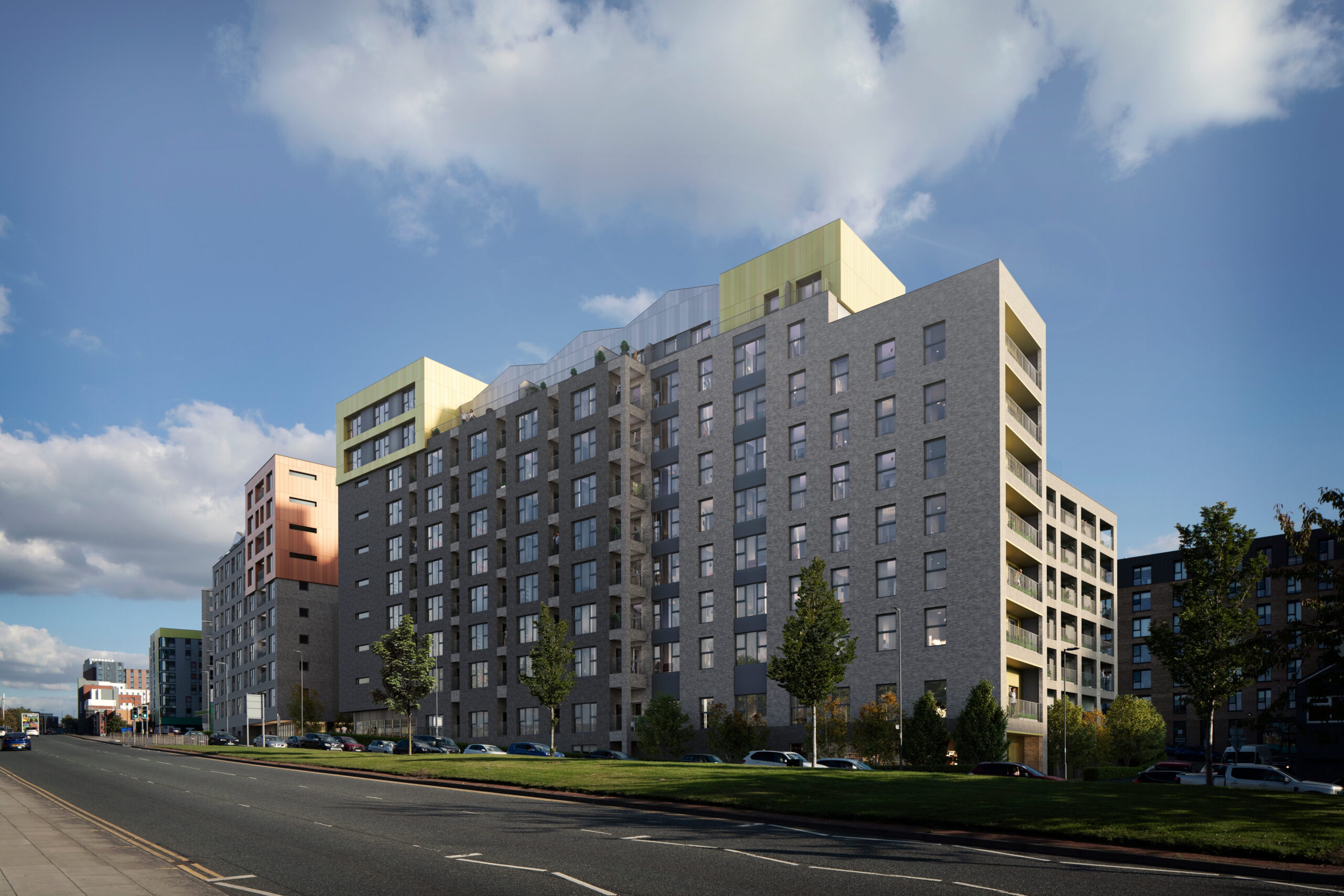
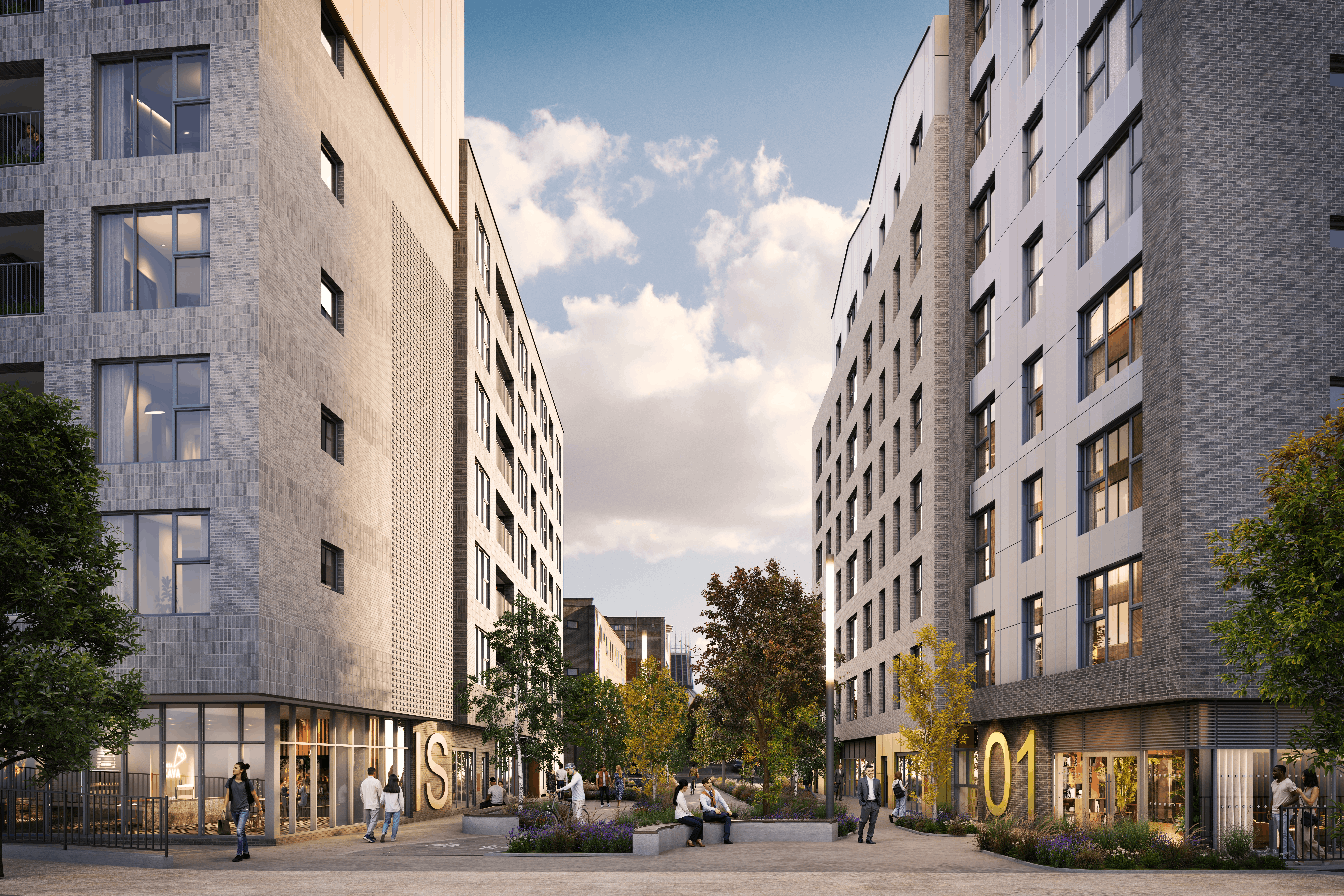
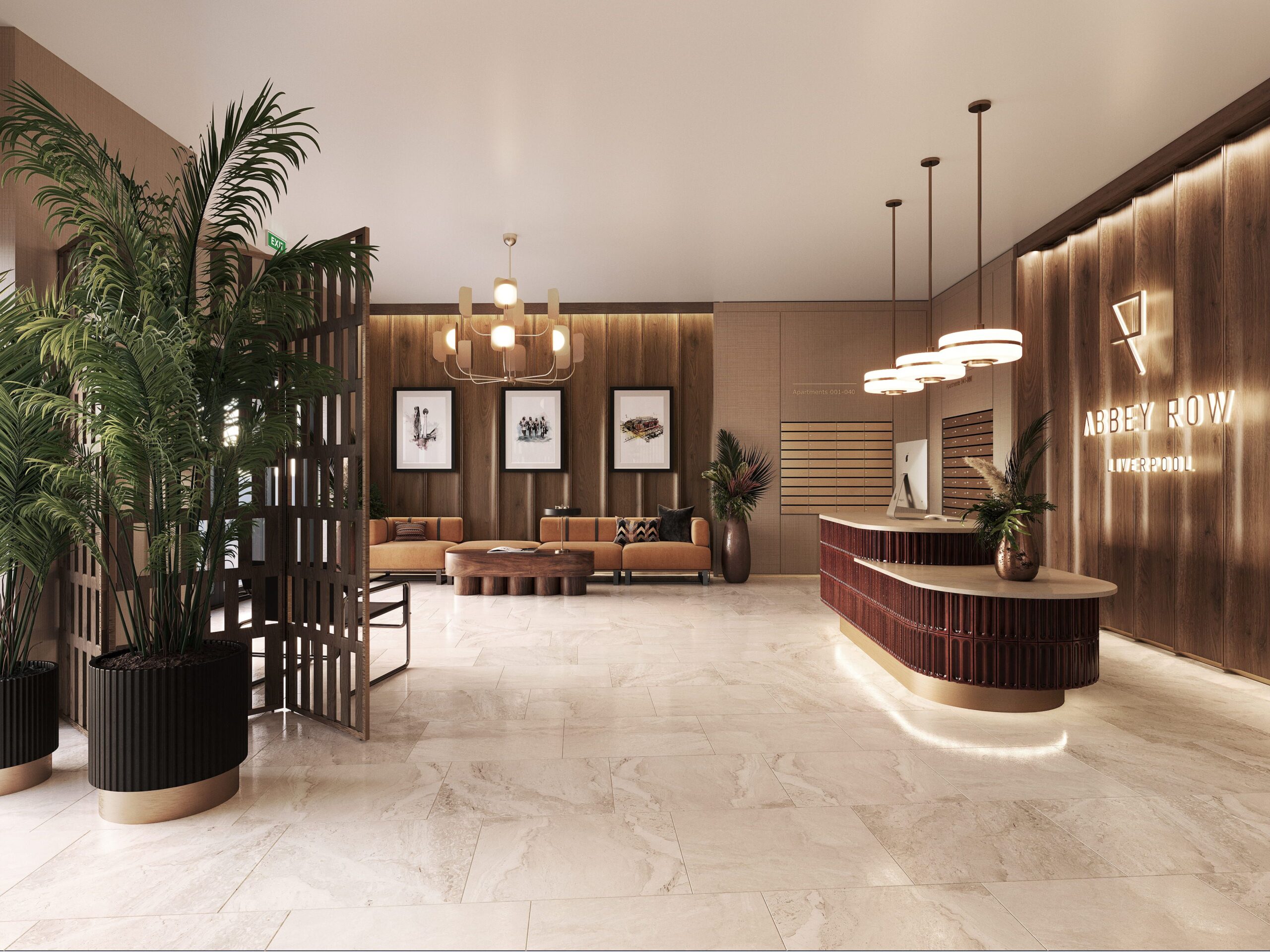
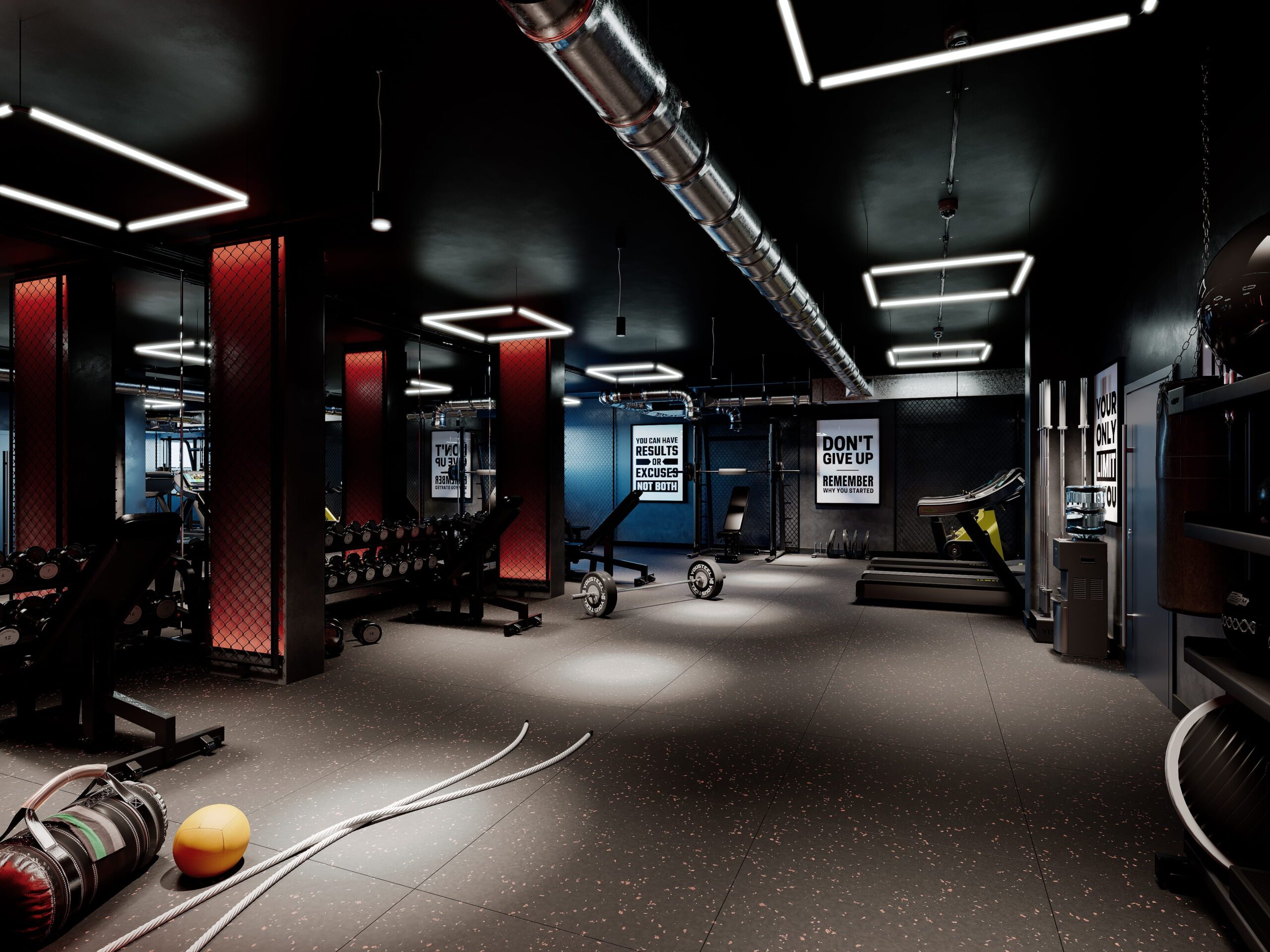
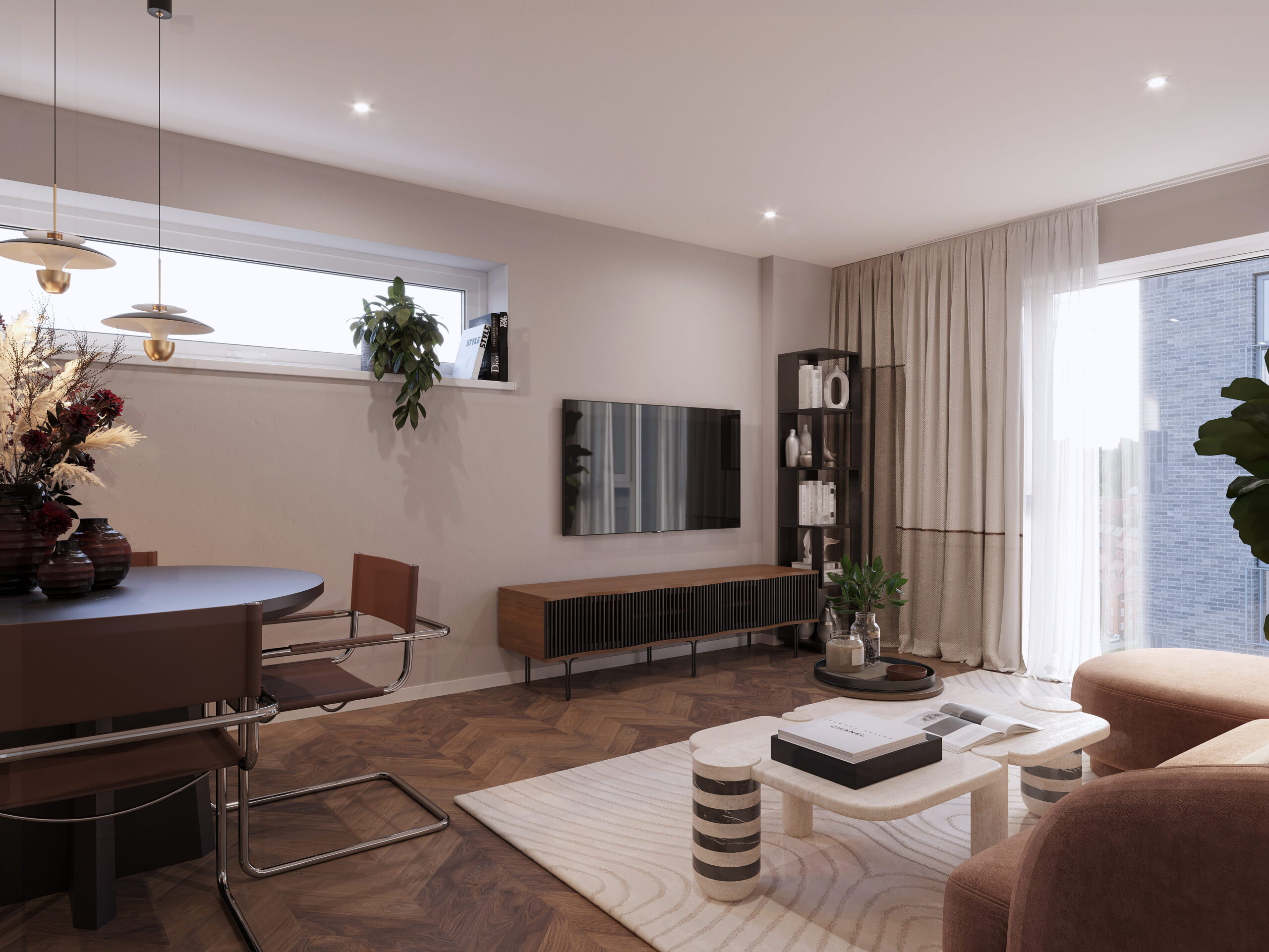
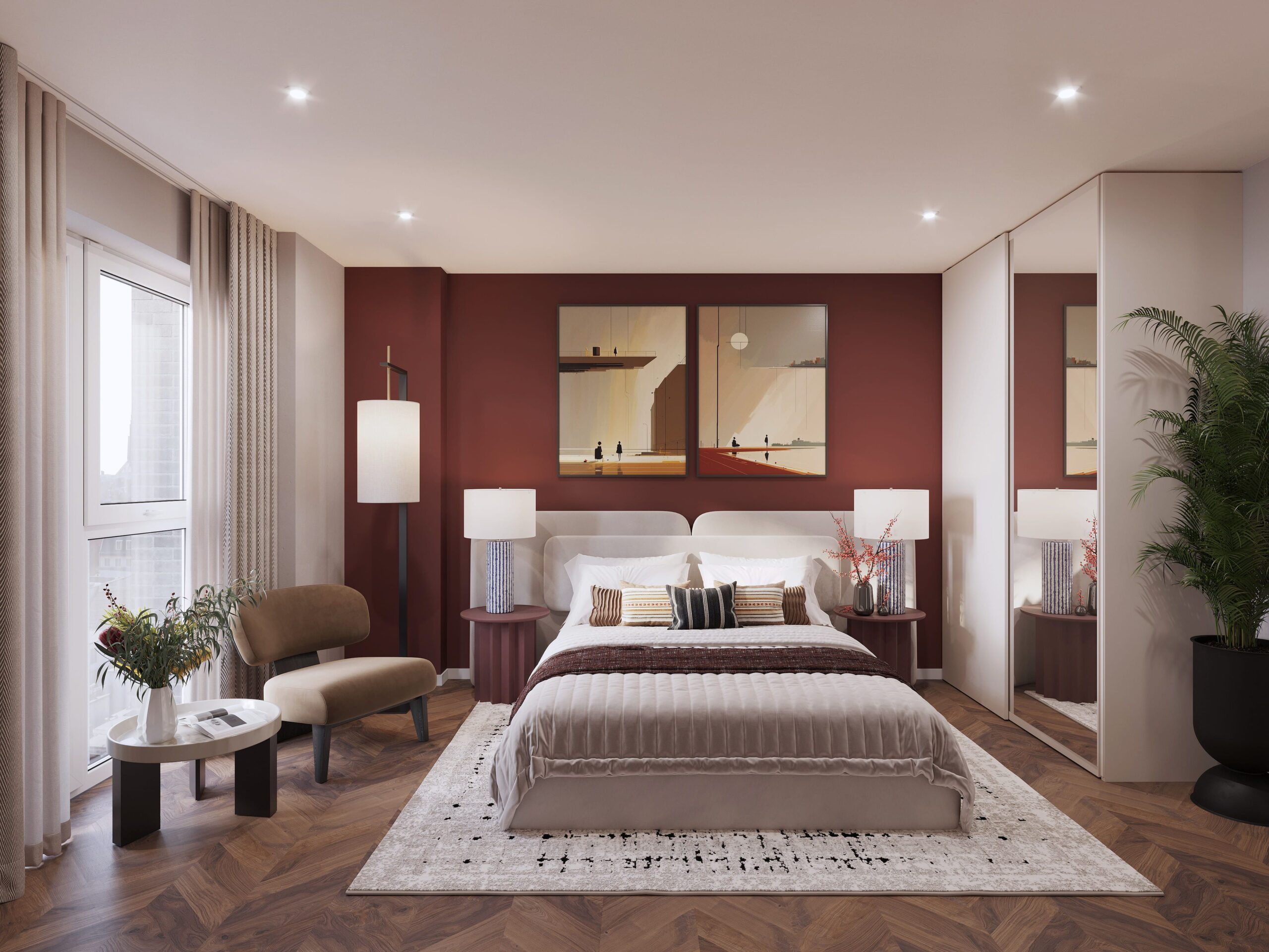
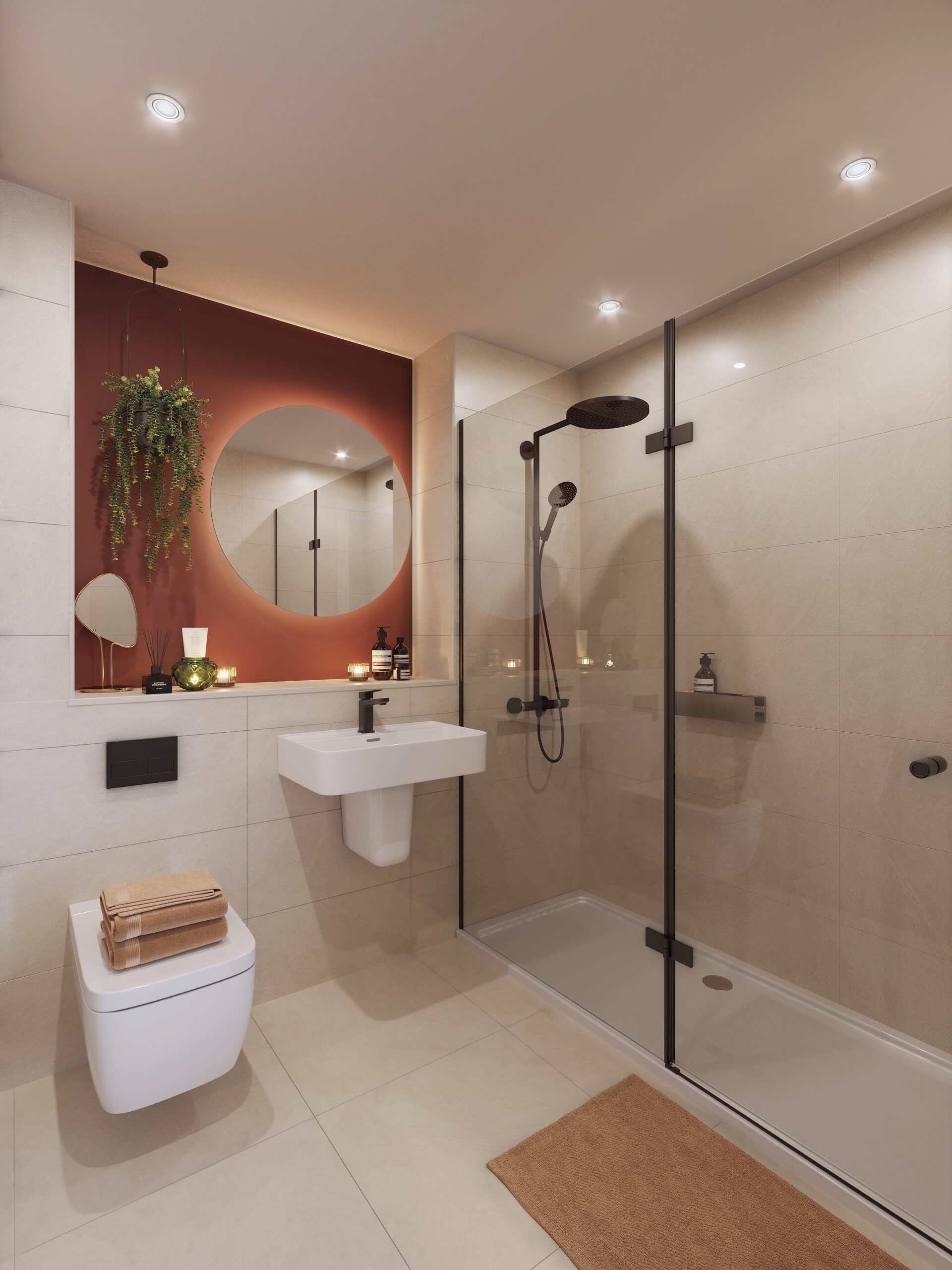
An example of a mini-visual suite that visually reinforces the idea of commissioning a coordinated campaign rather than isolated assets.
Example CGI Visuals: Abbey Row, Liverpool
How do you choose a CGI studio for a property development?
Whether imagery is required for planning, marketing or both, the studio needs to understand the purpose behind it. Technical rendering quality is only one part of that. Developers and marketing teams may also want to consider whether a CGI studio can:
- Interpret architectural information accurately
- Understand planning and contextual requirements
- Work with brand and marketing teams
- Provide interior styling or art direction where required
- Create consistent imagery across multiple spaces
- Produce animation and VR alongside still CGI
- Adapt assets for different campaign channels
- Understand the requirements of off-plan property marketing
For projects spanning multiple campaign stages, working with an architectural visualisation studio that can understand the full visual strategy for a property launch can also help maintain consistency as the development evolves.
Planning and marketing shouldn’t exist in separate visual worlds
The distinction between planning CGI and marketing CGI is useful, but the two shouldn’t necessarily feel disconnected.
A development may evolve considerably between initial planning and sales launch. Designs are refined, specifications change and brands are developed. The visual strategy should evolve with it. Where possible, there should still be continuity in how the architecture is represented. This becomes particularly important when early CGI remains online after newer marketing imagery has been released. If different images show conflicting materials, landscaping, façade details or architectural features, audiences may be left unsure which representation is current.
Good visual management therefore means keeping imagery accurate, purposeful and consistent throughout the project lifecycle.
Frequently Asked Questions
What is planning CGI?
Planning CGI is architectural visualisation created to help communicate and explain a proposed development. It can show architecture, scale, materials, landscaping and the relationship between a development and its surrounding context before construction begins.
What is marketing CGI?
Marketing CGI is architectural visualisation created to support the promotion of a property or development. While architectural accuracy remains important, marketing imagery typically places greater emphasis on audience, atmosphere, lifestyle, positioning and emotional connection.
What is the difference between planning and marketing renders?
The main difference is purpose and audience. Planning renders generally prioritise clear communication of the proposed architecture and its context. Marketing renders are designed primarily for prospective buyers, investors or customers and therefore place greater emphasis on positioning, lifestyle and visual storytelling.
Can the same CGI be used for planning and sales?
Yes, in some cases. A CGI created for planning may also be suitable for marketing if it accurately represents the current development and communicates effectively to the intended marketing audience. However, planning and marketing imagery often have different priorities, so additional or adapted imagery may produce stronger results.
How can CGIs help sell a residential development before completion?
CGI allows prospective buyers to see and understand a development before it physically exists. Exterior and interior CGIs can communicate architecture, specification and lifestyle, while animation and VR tours can provide a more immersive understanding of the development.
What visuals do property developers need for a new scheme launch?
Requirements vary by development, but a property launch may use exterior CGI, interior CGI, lifestyle or cameo imagery, animation, VR tours, floor plans and supporting digital assets. The right combination should be determined by the target audience, buyer journey, campaign channels and development positioning.
What should be included in a CGI brief for a new development?
A strong CGI brief should include architectural drawings, material and landscape information, the purpose of the imagery, target audience, brand positioning, required viewpoints, interior design direction, intended marketing channels and key project deadlines.
Who creates CGIs, animations and VR tours for property developments?
Architectural visualisation studios create digital imagery and experiences that communicate developments before they are built. Studios such as North Made Studio work with developers, architects and marketing teams to produce architectural CGI, animation and interactive VR tours for planning, communication and property marketing.
The right image depends on the job it needs to do
Planning CGI and marketing CGI share the same foundation: communicating architecture before it exists. What changes is the audience and the objective.
For planning, the priority may be context, clarity and understanding. For marketing, it may be positioning, lifestyle and emotional connection. And sometimes, one carefully considered image can achieve elements of both.
The important thing is to establish the purpose before deciding what to create.
If you’re not sure what your imagery needs to achieve, North Made Studio can help define the visual brief around your audience, project stage and wider campaign, from planning-focused CGI through to complete marketing visualisation packages.
Explore our architectural visualisation for architects and discuss the purpose of your next image set.