The UK property market is undergoing a significant structural shift. The Build-to-Rent (BTR) sector is no longer a niche concept. It is a dominant force in cities like Manchester, Leeds, and London. Developers are no longer simply building blocks of flats. They are curating neighbourhoods.
For marketing teams and developers, this shift requires a new visual strategy. The role of architectural 3D visualisation is no longer just about showing the brickwork; it is about capturing the lifestyle. In traditional residential sales, the hero image is almost always the exterior façade or the kitchen. In BTR, the priority changes. The value proposition is not just the square footage of the apartment. It is the lifestyle that exists outside the front door.
To secure leases off-plan, you must visualise the community, not just the concrete. Here is how North Made Studio approaches the unique challenge of marketing BTR developments.
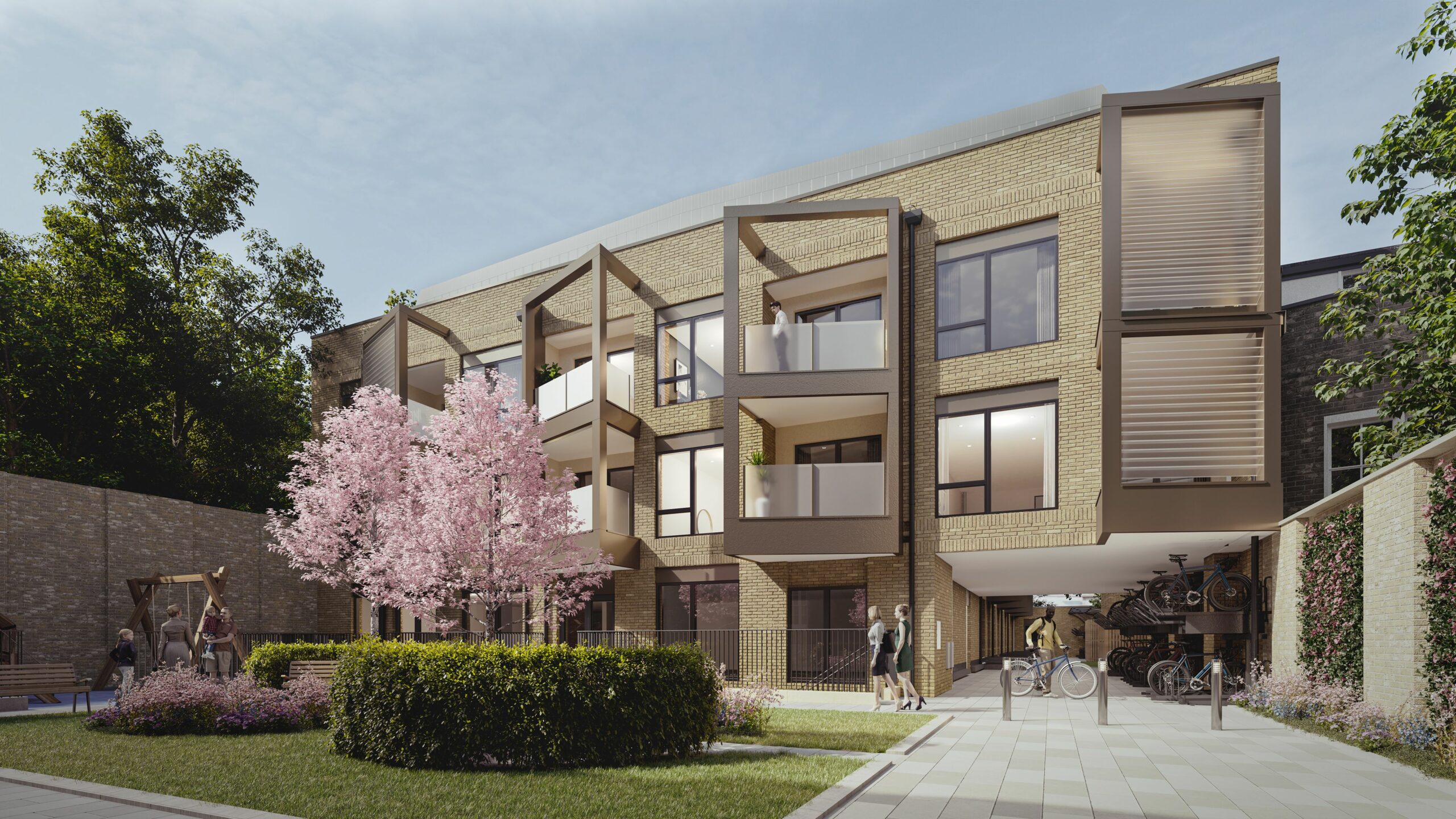
The Shift from Asset to Service
The tenant mindset differs significantly from the buyer mindset. A buyer looks for long-term capital growth and potential. A BTR tenant looks for immediate convenience and social connection. They are buying into a service.
When we create CGI for these developments, we shift the budget allocation. In a standard residential project, we might spend 80% of the budget on apartment interiors. For BTR, we recommend a 50/50 split between private units and shared amenities.
The co-working space, the roof terrace, the private dining room, and the gym are not optional extras. They are the primary selling points. If your marketing brochures show empty, sterile amenity spaces, you fail to communicate the core benefit of the development.
Visualising the ‘Third Place’
Sociologist Ray Oldenburg coined the term “The Third Place” to describe social surroundings separate from the two usual social environments of home and the workplace. In BTR developments, the communal lounge or lobby serves this function.
Visualising these spaces requires a different technical approach to a private living room. A private living room should look serene and tidy. A “Third Place” must look active and activated.
1. Lighting and Atmosphere
We avoid flat, clinical lighting in communal areas. Instead, we use “hospitality lighting” techniques similar to high-end hotels or coffee shops. We create pools of warm light over seating areas to suggest intimacy and conversation. This signals to the potential tenant that they can work here during the day and socialise here at night.
2. The ‘Lived-In’ Look
An empty co-working desk looks uninviting. To sell the lifestyle, we add “narrative props.” This might include a laptop with a screen glow, a half-finished coffee, or a jacket draped over a chair. These subtle cues tell the viewer that people actually enjoy using this space.
The Challenge of Population
One of the most common questions we face is how to populate these scenes. Should we use “ghost” figures, realistic 3D people, or keep the spaces empty?
For BTR, empty spaces are rarely the right choice. An empty gym feels lonely. An empty cinema room feels abandoned. However, using too many stock 3D people can distract from the architecture.
We recommend a balanced approach:
- Motion Blur: We often render figures with a slight motion blur. This adds dynamic energy to the lobby or gym without drawing the eye to the specific details of the 3D model. It creates a feeling of buzz.
- Strategic Placement: We place figures in social clusters. We show two people talking on a sofa or a group dining on the terrace. This subconsciously reinforces the idea of community.
- Target Demographics: We tailor the styling of the figures to match your target tenant profile. This ensures the viewer sees themselves in the image.
Creating a Narrative Sequence
When marketing a BTR scheme, you are selling a “Day in the Life.” The sequence of your images matters as much as the quality of the individual renders.
We encourage clients to think of the brochure or website flow as a storyboard:
- Morning: A bright, airy shot of the gym or yoga studio.
- Day: A focused, productive view of the co-working space with coffee and natural light.
- Evening: A warmer, lower-light shot of the roof terrace or private dining room.
By connecting these spaces visually, you demonstrate how the building supports the tenant’s entire routine. You prove that the rent covers more than just a bedroom. It covers a gym membership, a workspace, and a social club.
The Commercial Impact
Investing in high-quality amenity visualisation has a direct impact on the bottom line. It reduces vacancy periods. When a prospective tenant views a listing, they often compare the monthly rent to a standard buy-to-let mortgage. The price difference can be stark.
Your imagery bridges that gap. It visually justifies the premium by showcasing the value-added services. If the visuals for the cinema room or the pet spa are generic, the tenant sees a cost. If the visuals are aspirational and inviting, the tenant sees value.
Conclusion
The Build-to-Rent sector is competitive. As more supply hits the market in 2026, differentiation will become harder. The developers who win will be those who can best communicate the feeling of living in their buildings.
At North Made Studio, we understand that we are not just rendering walls and floors. We are rendering a community. By focusing on atmosphere, activity, and narrative, we help you fill units before construction even finishes.