Artificial intelligence is changing architectural visualisation faster than almost anyone predicted.
Today, AI can generate striking architectural imagery in seconds. It can experiment with lighting, materials, compositions and atmospheres that once took artists hours to produce.
It’s easy to look at these tools and ask:
“Will AI replace architectural visualisation?”
Our answer is simple:
AI will undoubtedly change the way architectural visualisation is created. BUT it won’t replace the strategic thinking that makes visualisation valuable in the first place.
At North Made Studio, we already see AI as a genuinely useful tool. Used well, it can accelerate creative exploration, improve efficiency and unlock new ways of working.
But when a visual needs to support planning approval, secure investment, sell homes or communicate a complex architectural vision, image generation alone isn’t enough.
Because great architectural visualisation isn’t simply about producing an attractive picture.
It’s about communicating an idea with accuracy, clarity and purpose.
What AI Can Already Do Well
There’s no denying how capable AI has become.
Modern image generation tools can already:
- Produce concept imagery within seconds
- Explore different architectural moods and lighting conditions
- Generate multiple stylistic variations
- Support early-stage brainstorming
- Help communicate broad creative direction
For architects and developers during the earliest stages of a project, these capabilities are incredibly valuable. Instead of spending days exploring initial ideas, teams can generate hundreds of possibilities almost instantly. That speed creates opportunities.
Rather than replacing designers, AI can remove repetitive tasks and allow creative teams to spend more time making better decisions. Used appropriately, that’s a positive shift.
Where AI Still Struggles With Design Intent
The biggest limitation isn’t image quality. It’s understanding why the design exists.
Architecture is a series of deliberate decisions. Every material choice, window position, circulation route, landscaping strategy and public space has been considered for a reason.
AI doesn’t understand those reasons. It recognises visual patterns. It predicts what a convincing image should look like.
But it doesn’t understand design intent.
That’s an important distinction.
Two buildings might appear visually similar while serving completely different purposes. One may prioritise privacy. Another daylight. Another planning requirements. Another commercial viability.
A visualisation artist works alongside architects and developers to communicate those decisions. AI simply generates what appears plausible.
Accuracy Versus Plausibility
One of AI’s greatest strengths is also one of its biggest weaknesses.
It creates images that feel believable. But believable doesn’t necessarily mean accurate.
An AI-generated render may include:
- Windows that don’t match architectural drawings
- Structural elements that couldn’t be built
- Materials that don’t exist within the specification
- Landscaping that ignores site constraints
- Lighting conditions that wouldn’t occur naturally
To most viewers these details may seem insignificant. To an architect, planner or developer, they’re critical. Architectural visualisation isn’t about creating “something that looks nice.” It’s about representing a proposed scheme responsibly.
Accuracy builds confidence.
Inaccuracy creates confusion.
What Is the Difference Between AI Property Images and Professional Architectural CGIs?
This is one of the questions we’re increasingly hearing from developers and marketing teams.
At first glance, AI-generated property images and professionally produced architectural CGI can appear remarkably similar. Both can produce realistic visuals of buildings and interiors. The difference lies in what they’re designed to achieve.
AI generates images by predicting what looks believable based on patterns it has learned from millions of existing images. It doesn’t understand the architect’s drawings, planning constraints, material specifications or commercial objectives behind a development.
Professional architectural CGI begins with the project itself. Every visual is created from architectural information, reviewed against drawings and refined alongside architects, developers and marketing teams to ensure it accurately communicates the proposed scheme. The result isn’t simply a realistic-looking image. It’s a visual representation that stakeholders can trust to support planning, investment, marketing and sales.
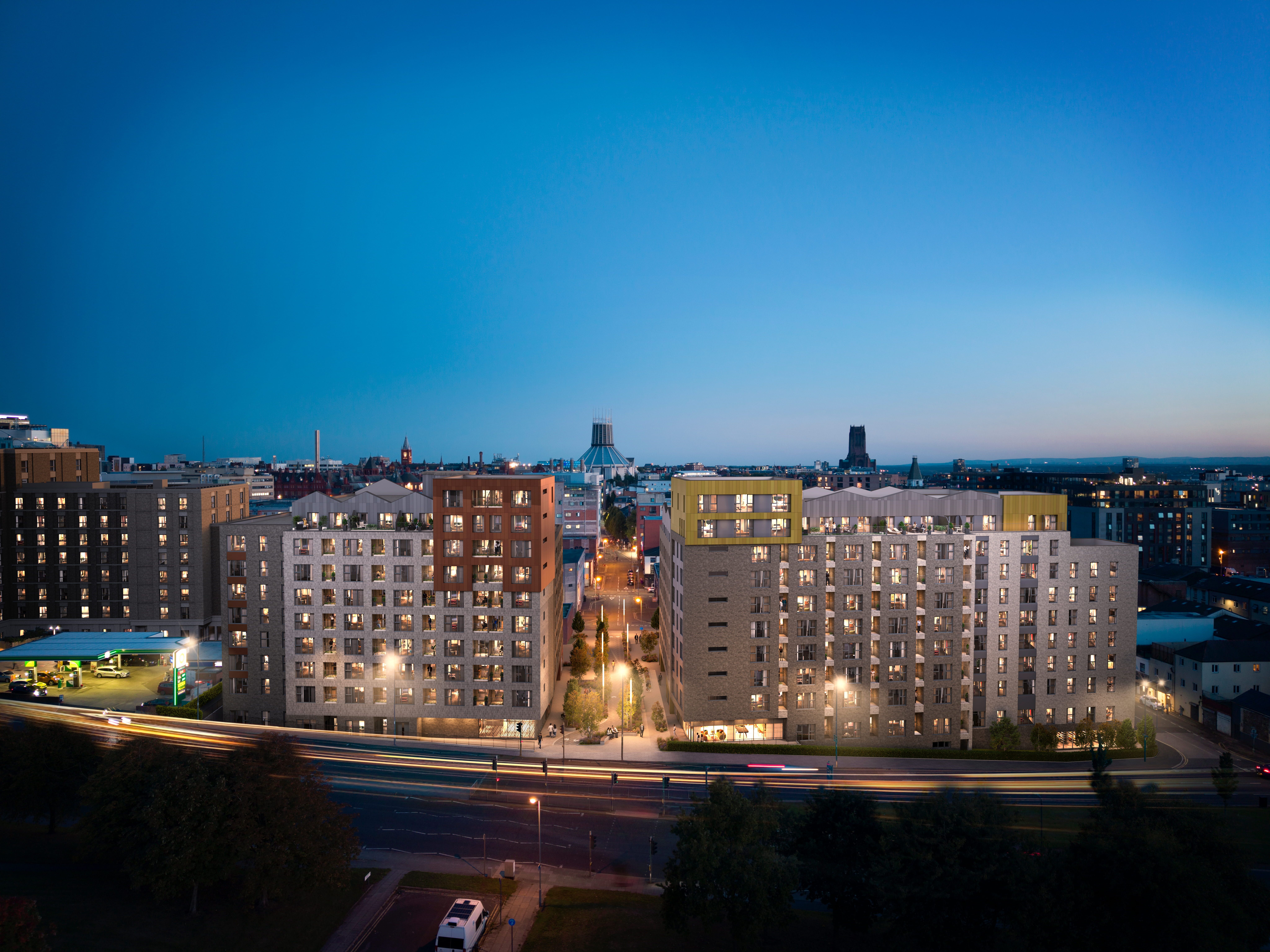
CGI Visual: Abbey Row, Liverpool
Professional architectural CGI is built from architectural drawings, material specifications and design intent—not simply generated to look believable.
Planning, Feasibility and Real-World Constraints
Architectural projects don’t exist in isolation. Every development sits within layers of real-world constraints.
- Planning policy.
- Building regulations.
- Neighbouring properties.
- Topography.
- Construction methodology.
- Budget.
- Accessibility.
- Environmental performance.
AI has no understanding of these considerations. It doesn’t know why a balcony was reduced. Why a façade changed. Why a roofline steps back. Or why particular materials were chosen during planning negotiations. Without that context, it can easily generate imagery that looks impressive but misrepresents the project.
That creates risk.
Especially when visuals are being used to secure planning approval, attract investors or market homes before construction begins.
Why Visual Consistency Matters
Successful developments rarely rely on a single image. They rely on an entire visual language.
- Exterior CGIs.
- Interior visualisations.
- Animations.
- VR experiences.
- Sales brochures.
- Marketing websites.
- Planning presentations.
Every piece should communicate the same story. Consistency helps audiences understand the development quickly and builds trust throughout the buyer journey.
AI can produce impressive standalone images. Maintaining visual consistency across dozens of assets (while accurately reflecting the architecture, branding and target audience) is a far more complex challenge.
That’s where human direction still matters.
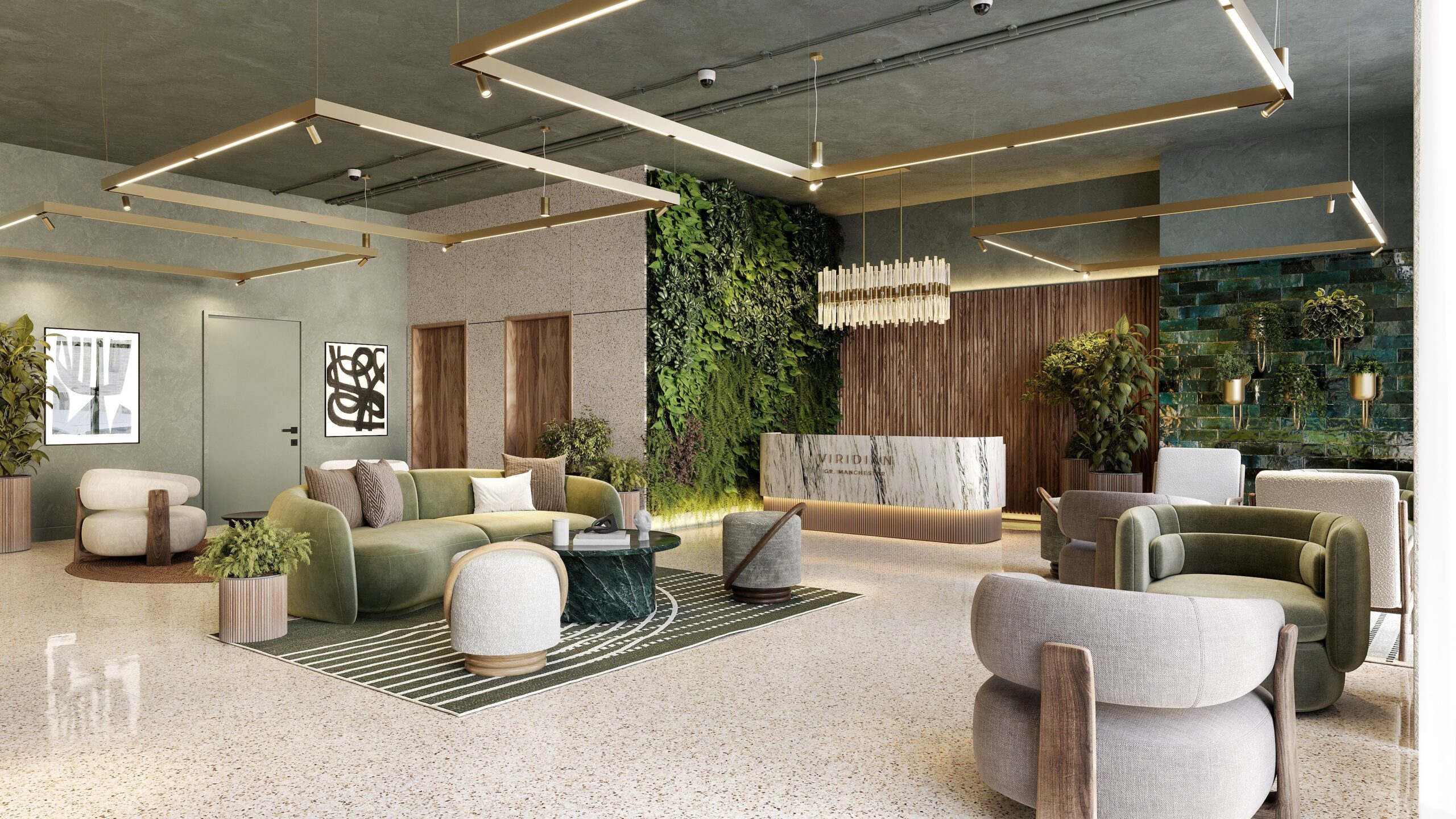
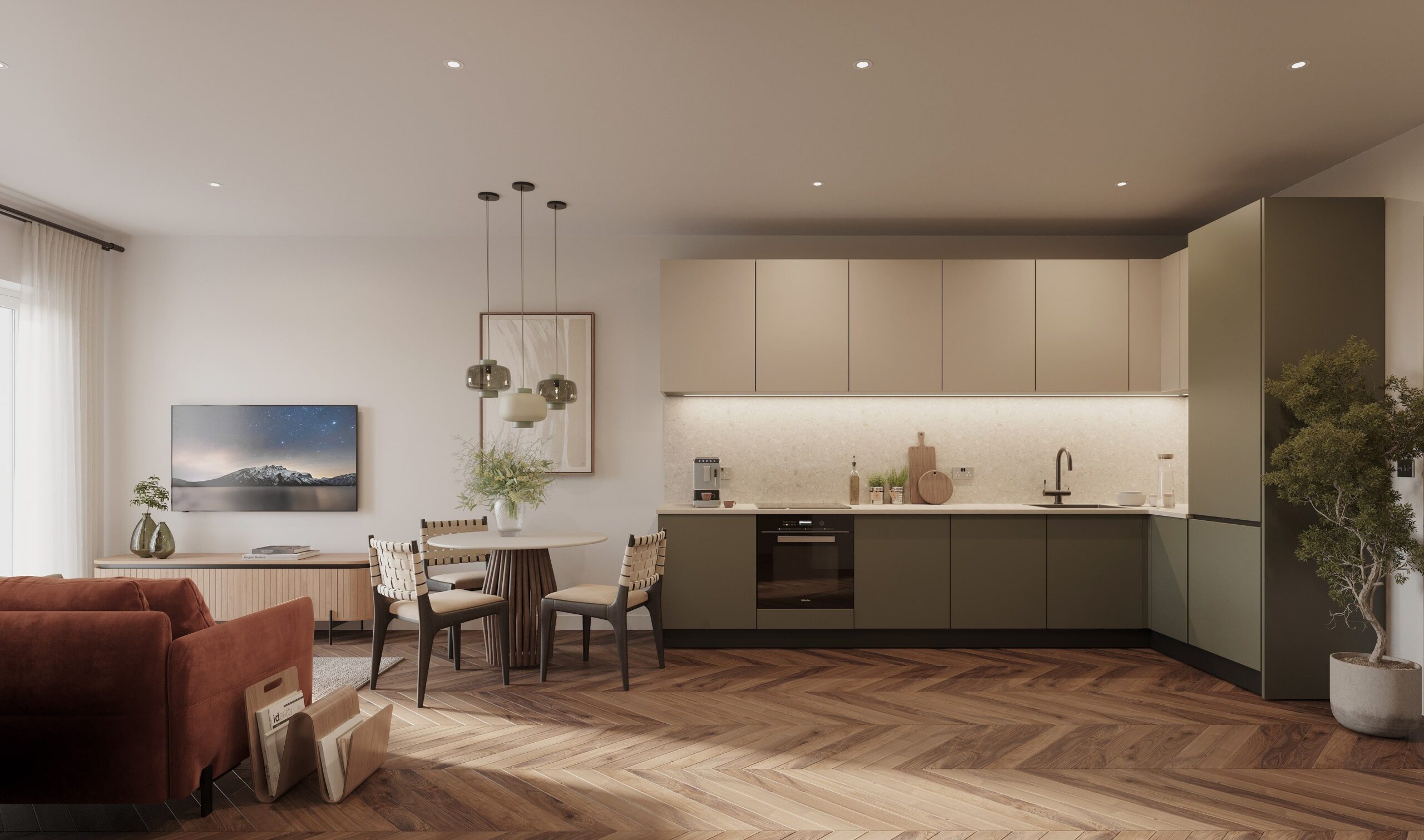
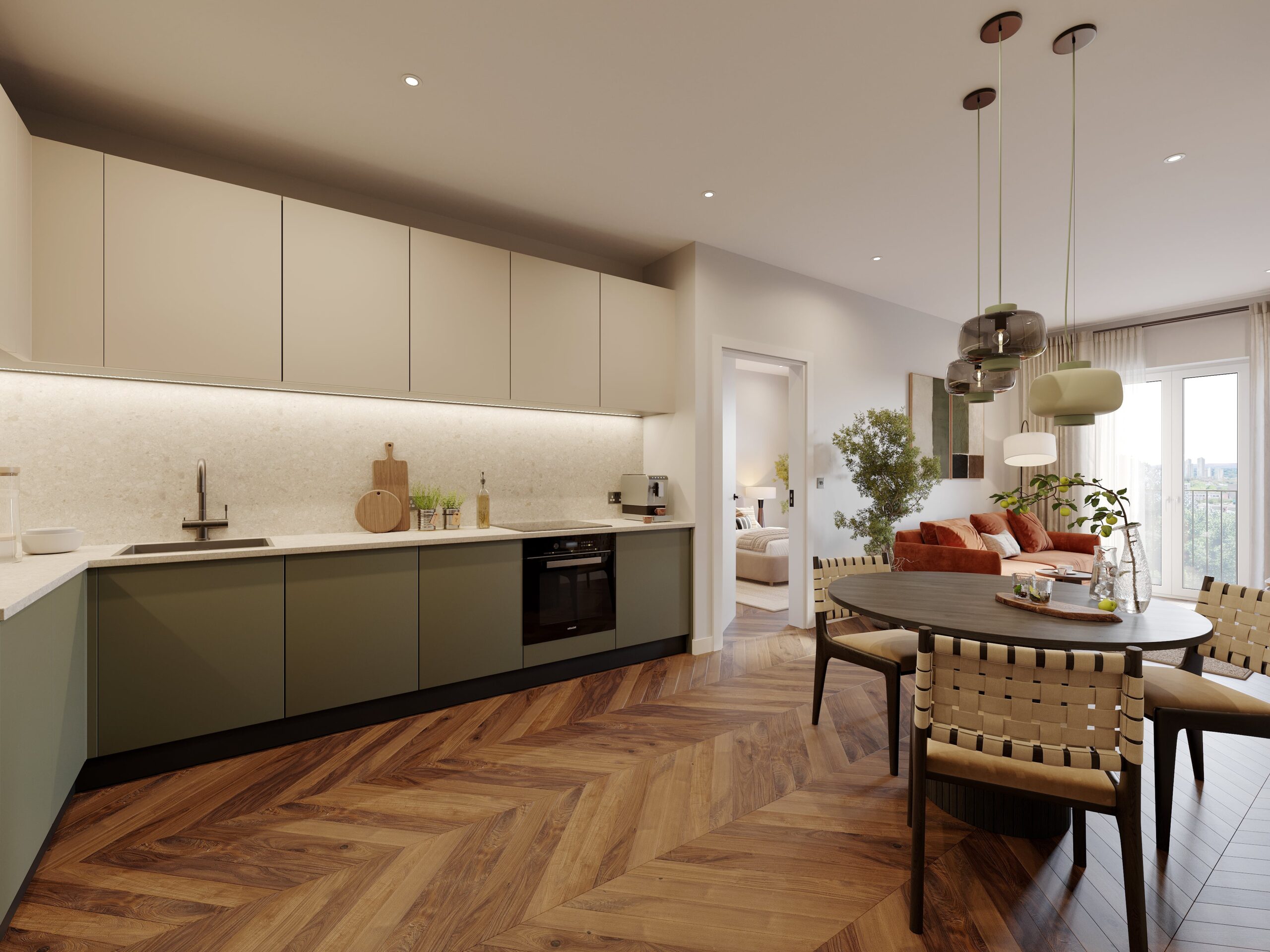
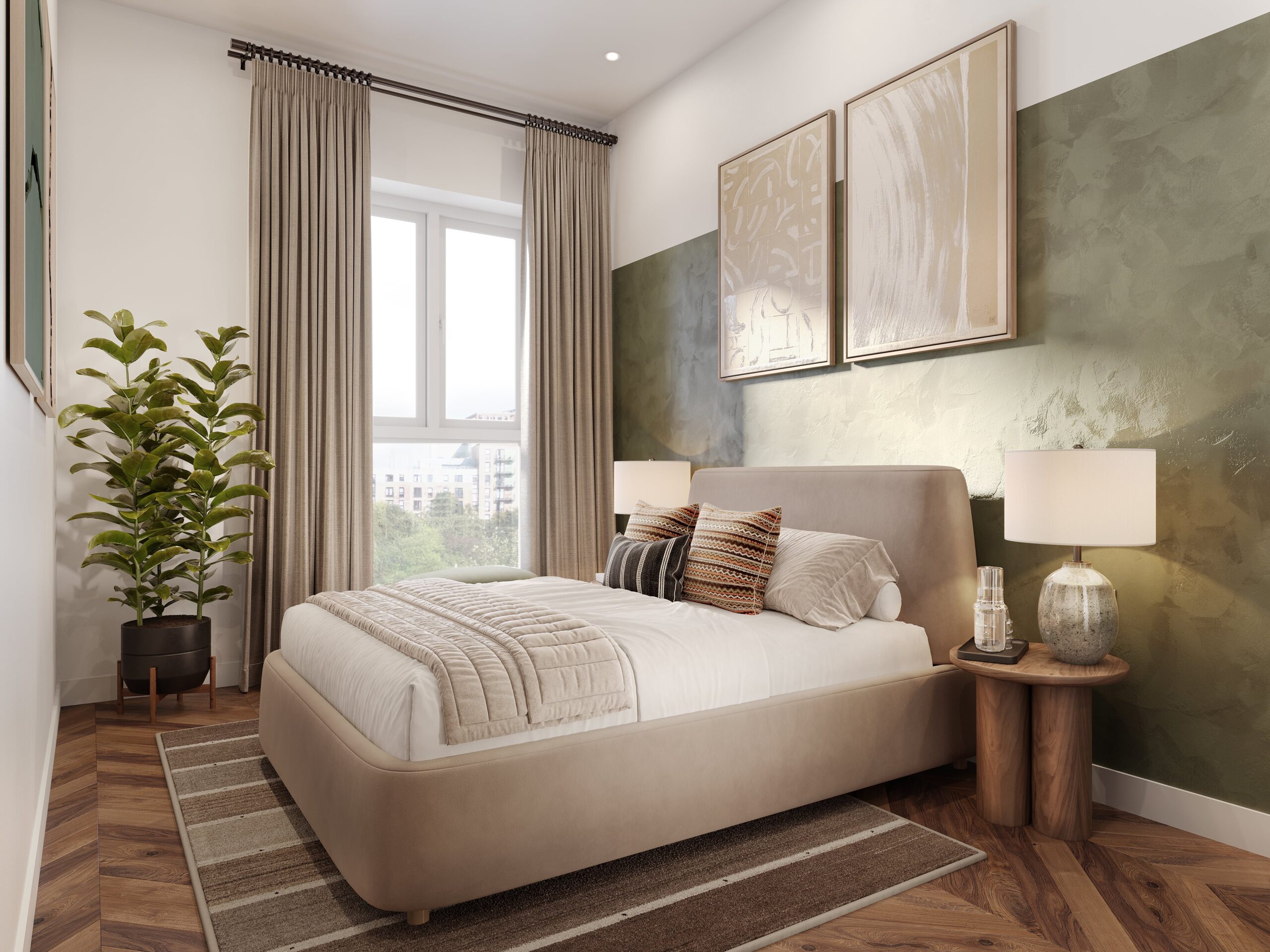
CGI Visuals: Viridian, Salford
A successful development requires more than one hero image. Every visual should communicate the same architectural language across websites, brochures, social media, investor presentations and sales material.
The Risk of False Expectations
Property marketing depends on trust. When buyers commit to purchasing an unbuilt home, they’re placing confidence in the information they’re being shown.
If marketing visuals promise something that isn’t ultimately delivered, confidence disappears. This is why responsible architectural visualisation isn’t simply about producing aspirational imagery. It’s about creating realistic expectations.
Good CGI balances aspiration with accuracy. It inspires people while remaining faithful to the architecture, materials and development vision. That balance requires judgement.
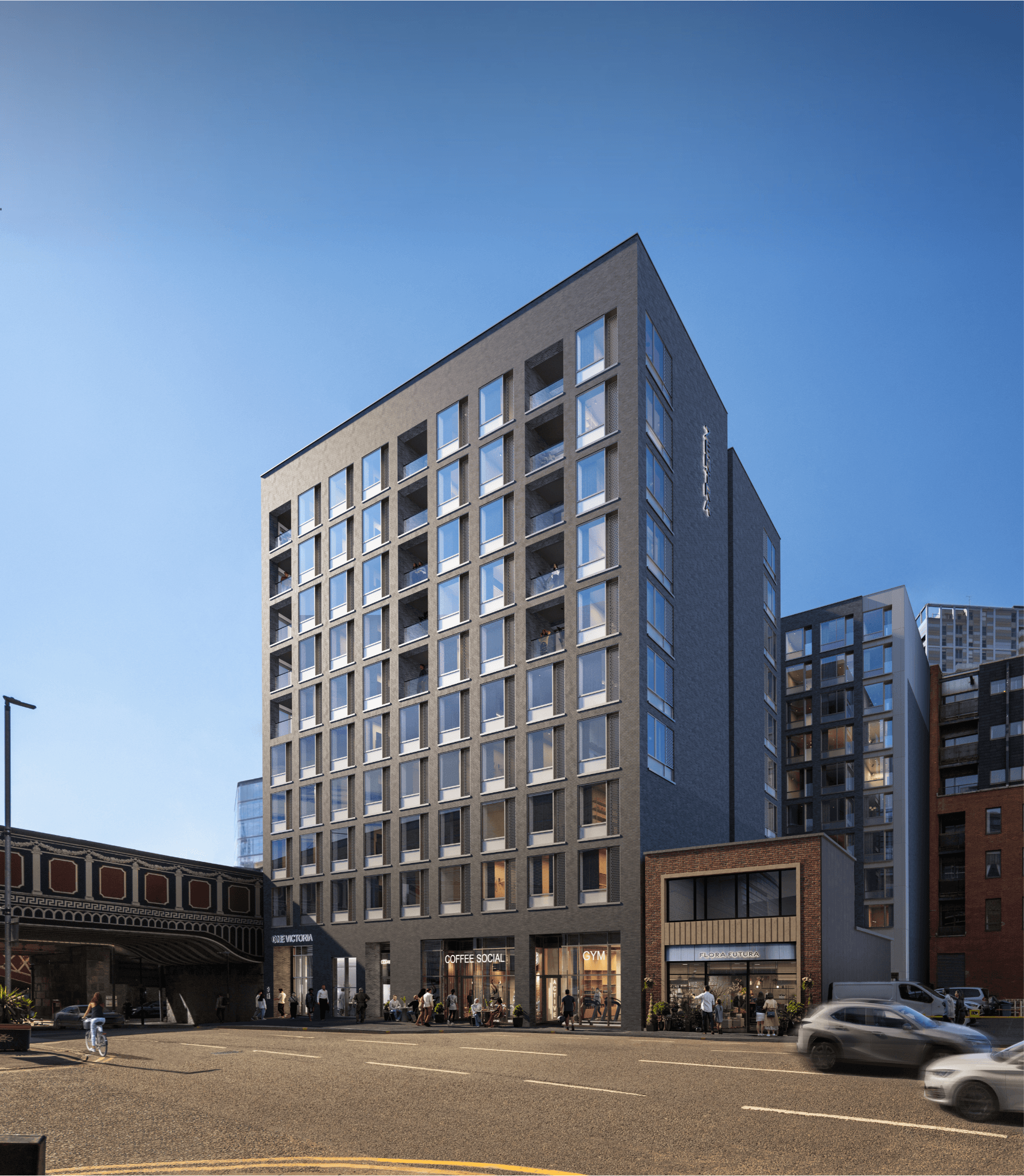
CGI Visual: One Victoria, Manchester
Architectural CGI should create excitement while remaining faithful to the approved design, helping buyers understand what will actually be delivered.
Where We See AI Adding Genuine Value
Rather than asking whether AI will replace architectural visualisation, we believe the better question is:
Where does AI genuinely improve the process?
For us, AI is most valuable when it helps teams think faster. For example:
- Exploring early design directions
- Generating mood boards
- Testing lighting ideas
- Rapid concept development
- Supporting internal creative discussions
- Accelerating repetitive production tasks
These are areas where speed matters more than precision. AI becomes another creative tool. Not unlike CAD transformed drafting or real-time rendering transformed design reviews. Technology changes. The need for clear communication doesn’t.
Why Judgement and Accountability Still Matter
Ultimately, architectural visualisation isn’t judged by how quickly an image can be created. It’s judged by whether that image achieves its purpose.
Does it help planners understand the proposal? Does it help investors believe in the scheme? Does it help buyers imagine living there? Does it accurately represent the architect’s vision?
Those outcomes require judgement.
Someone needs to ask:
- What story should this image tell?
- Who is the audience?
- What decisions does this visual need to support?
- What level of realism is appropriate?
- What details matter most?
Those aren’t technical questions. They’re strategic ones. And they’re the questions experienced visualisation studios answer every day.
AI can generate images. People still provide the thinking.
Choosing a CGI studio is no longer simply about finding someone who can produce attractive renders.
Increasingly, developers are looking for visualisation partners who understand planning, architecture, branding, buyer psychology and property marketing as a whole.
The technology matters.
But understanding how those visuals will be used throughout a development’s lifecycle matters even more.
Looking Ahead
AI will undoubtedly become part of the future of architectural visualisation. In many ways, it already is. Studios that ignore AI risk falling behind. But equally, relying on AI alone risks overlooking the very qualities that make architectural visualisation valuable.
The future isn’t human versus AI. It’s human expertise supported by increasingly powerful tools.
The studios that thrive won’t necessarily be the ones using the most AI. They’ll be the ones combining technological efficiency with design understanding, commercial awareness and visual communication that builds confidence. Because ultimately, our role isn’t simply to create images. It’s to help people understand places that don’t yet exist.
Frequently Asked Questions
Will AI replace architectural visualisation?
AI will automate parts of the visualisation workflow, particularly concept generation and early creative exploration. However, projects requiring planning accuracy, commercial strategy, brand consistency and design communication will continue to benefit from experienced visualisation professionals.
Can AI create architectural renders?
Yes. AI can generate highly realistic architectural images from text prompts or reference images. However, these images may not accurately reflect architectural drawings, planning requirements or construction constraints.
What are the limitations of AI architecture images?
AI often struggles with design intent, technical accuracy, consistency across multiple views, planning constraints, construction feasibility and communicating the strategic objectives behind a development.
Is AI suitable for property marketing CGI?
AI can be useful during concept development and creative exploration. For marketing live developments, professionally produced CGI remains important to ensure visual accuracy, consistency and buyer confidence.
How do I choose a CGI studio for a property development?
When selecting a CGI studio, look beyond the quality of individual images. Consider whether the studio understands architecture, planning, property marketing and your target audience. A good visualisation partner should be able to advise on the wider visual strategy, helping you create assets that support planning submissions, investor presentations, websites, brochures, social media, animation and VR. Not simply produce attractive renders.
Looking for a CGI studio that understands more than rendering?
Whether you’re preparing a planning application, launching an off-plan development or building a marketing campaign, successful architectural visualisation starts with understanding your project. Not simply generating attractive images.
At North Made Studio, we combine architectural expertise, strategic thinking and the latest digital tools to produce CGI, animation and VR experiences that help developers, architects and marketing teams communicate with confidence.
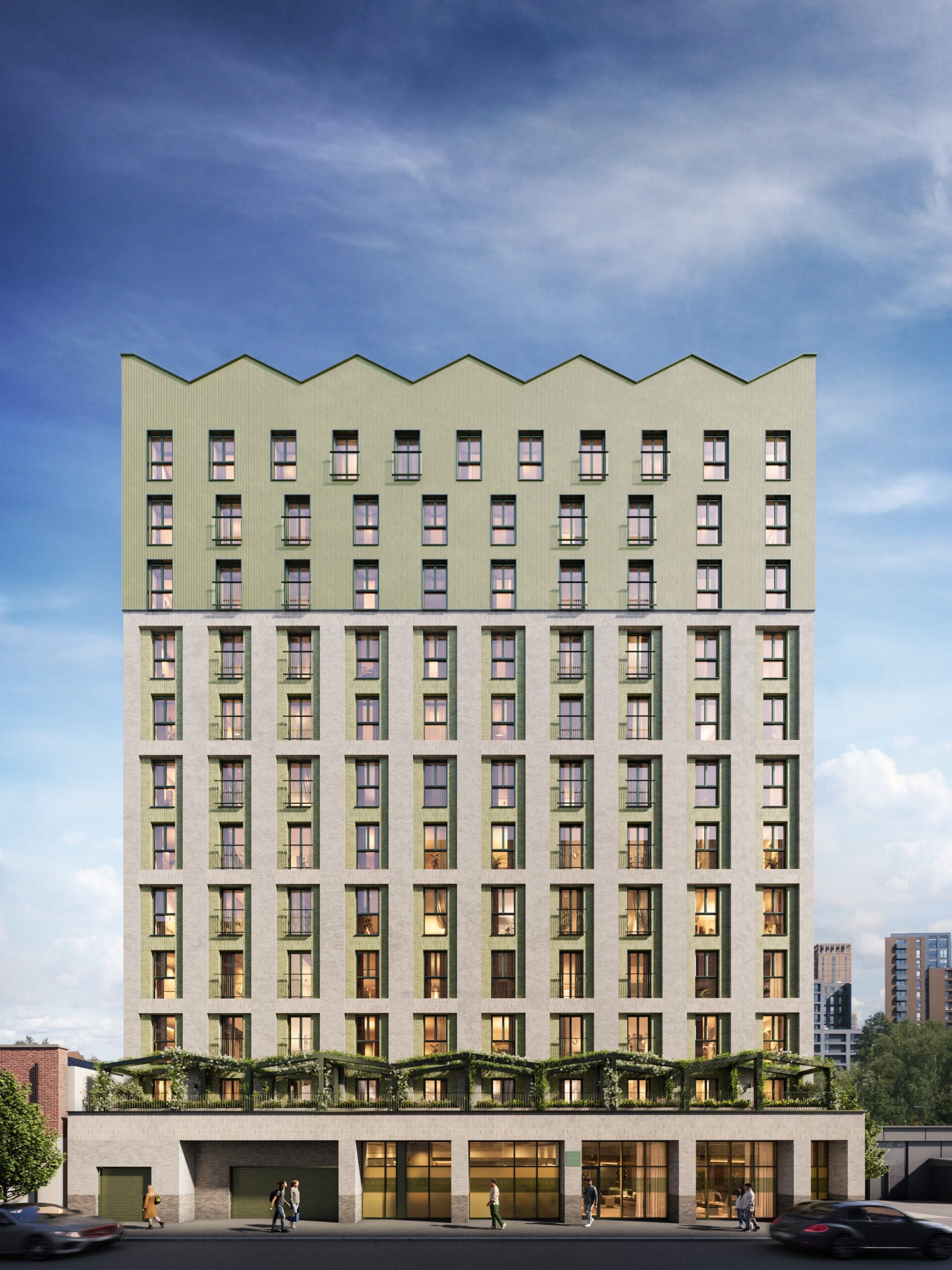
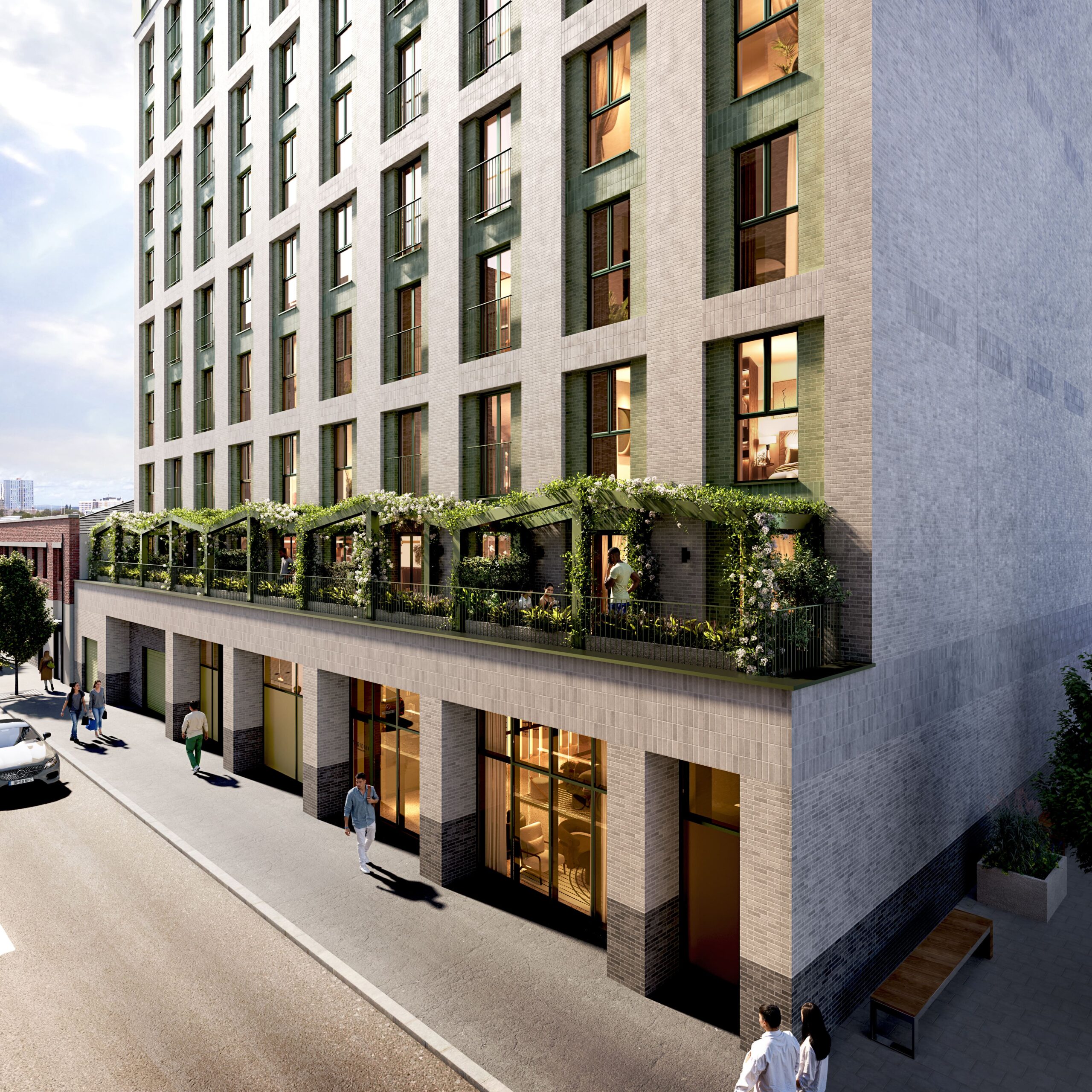
CGI Visuals: Viridian, Salford