What to include in an architectural visualisation brief
A good architectural visualisation brief does more than tell a CGI studio what needs to be rendered.
It explains what the visuals need to achieve, who they need to communicate with and how they will ultimately be used. Whether you’re commissioning CGI for a residential development, commercial scheme, planning application or property marketing campaign, getting the brief right at the beginning can make the whole process more efficient. It helps establish priorities, reduces unnecessary revisions and gives the visualisation team a clearer understanding of the project from day one.
But what does an architectural visualisation studio actually need from you?
From drawings and material specifications to audience, brand direction and campaign formats, here’s what we recommend considering when putting together a CGI brief.
1. Start with the project objectives
Before getting into drawings, finishes or camera angles, explain the bigger picture.
What is the project, and why are the visuals being commissioned?
For example, are you:
- Preparing a scheme for planning?
- Launching a residential development?
- Marketing apartments off-plan?
- Looking for investment?
- Communicating a commercial development to prospective occupiers?
- Supporting a public consultation?
- Producing imagery for a wider brand campaign?
The answer influences almost every decision that follows.
A planning-focused CGI may need to prioritise architectural accuracy, scale and surrounding context. A marketing CGI may need to communicate the same architecture while also establishing atmosphere, lifestyle and a stronger emotional connection with the intended audience.
Giving your CGI studio this context allows it to think beyond simply producing an attractive image.
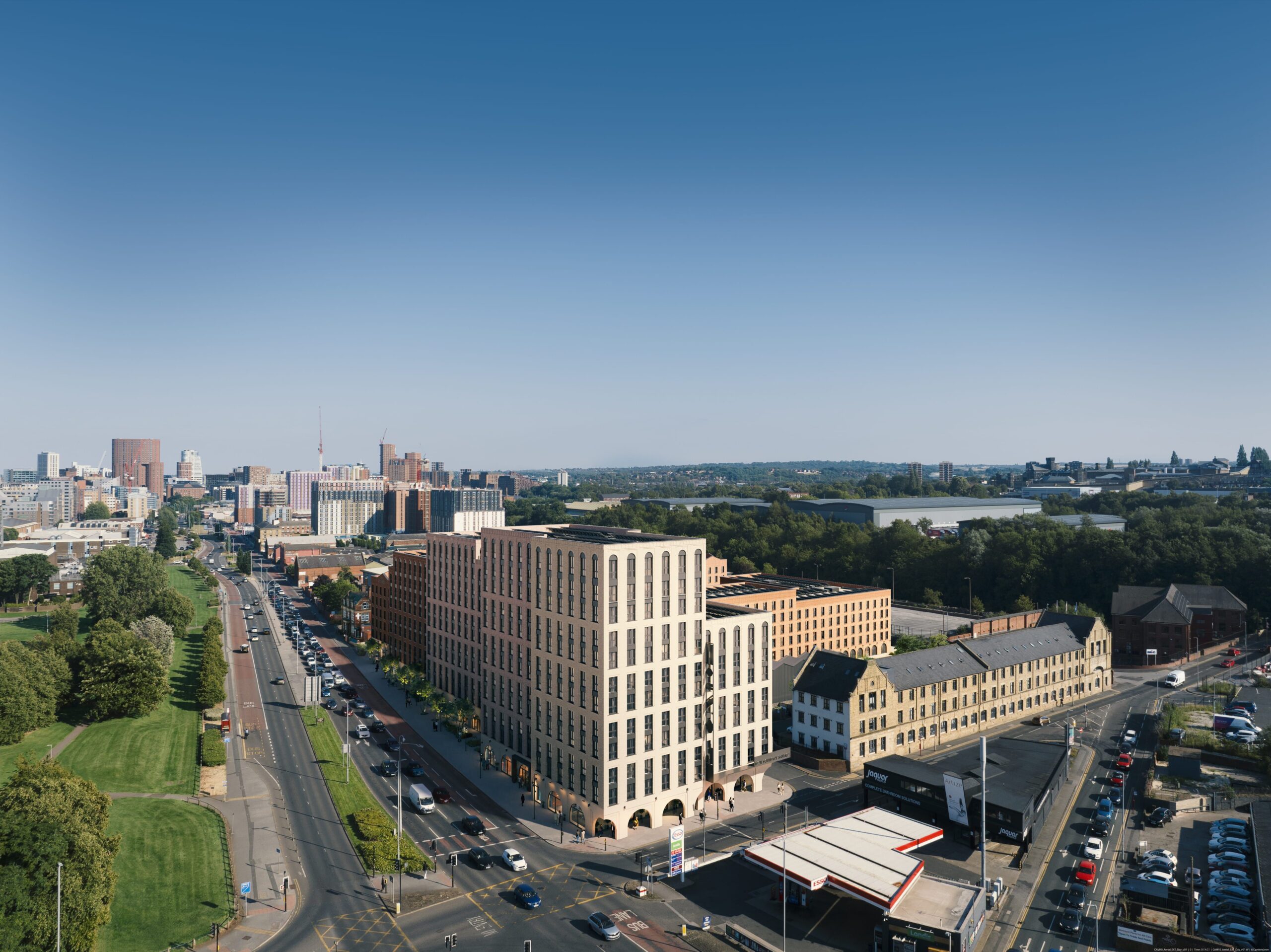
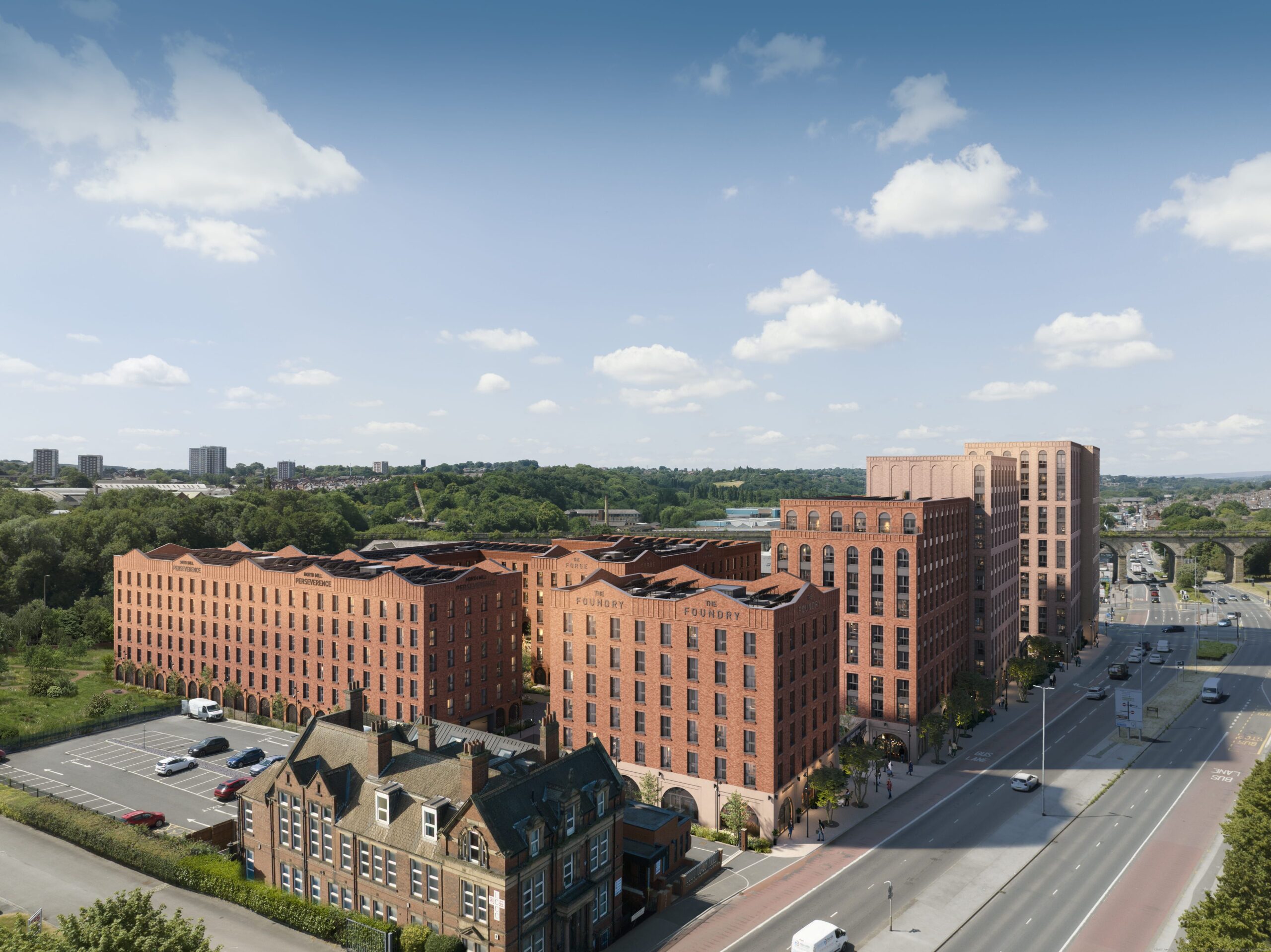
CGI Visual: New Foundry Square, Leeds
2. Define the intended audience
Who needs to respond to the imagery?
This is particularly important for property marketing. A development aimed at first-time buyers might require a very different visual language from a premium city-centre investment scheme, family housing development or build-to-rent project.
The target audience can influence decisions around:
- Interior styling
- Furniture and accessories
- People
- Lifestyle cues
- Lighting and atmosphere
- Camera composition
- Amenities to highlight
- Wider art direction
If you already have audience profiles, demographic information or a wider marketing strategy, sharing relevant information with your visualisation studio can be extremely useful.
For off-plan property marketing, the CGI is often one of the first opportunities a prospective buyer has to experience the development. The more clearly the visual team understands that buyer, the more intentionally the imagery can communicate with them.
3. Explain the purpose of each visual
Rather than commissioning “five exterior CGIs and four interiors”, think about the individual role each image needs to play.
For example:
Hero exterior: Establish the development and provide the defining campaign image.
Contextual exterior: Show how the scheme relates to its surroundings.
Apartment living space: Communicate interior design, space and lifestyle.
Bedroom: Demonstrate specification and atmosphere.
Amenity space: Highlight a key selling point of the development.
Cameo image: Provide detail-led content for social, digital advertising or supporting campaign material.
This is particularly useful when deciding what visuals a property developer needs for a new scheme launch. More imagery isn’t necessarily better imagery. A carefully planned set of visuals with distinct roles can often provide a stronger foundation for a campaign than a larger collection of similar viewpoints.
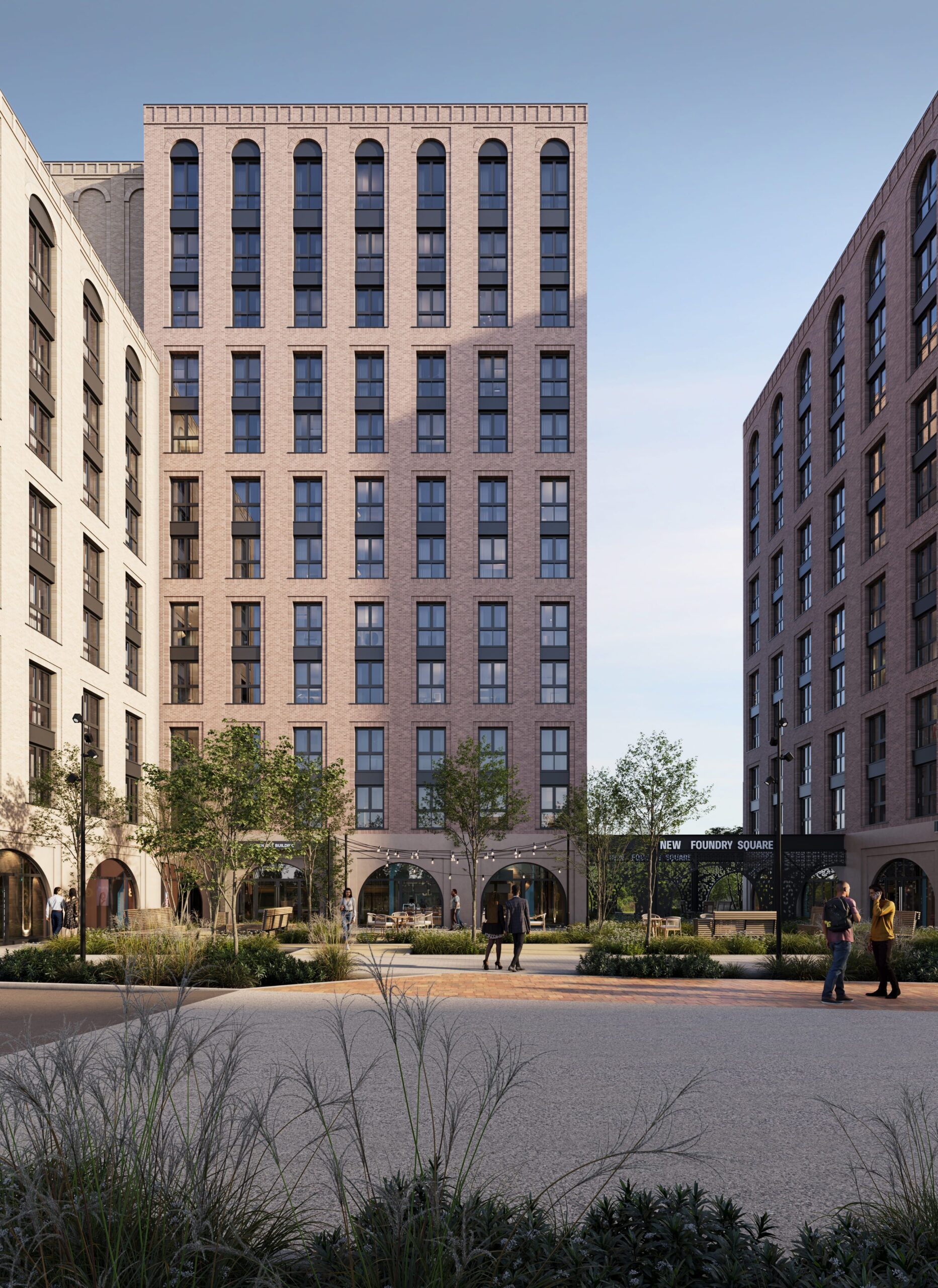
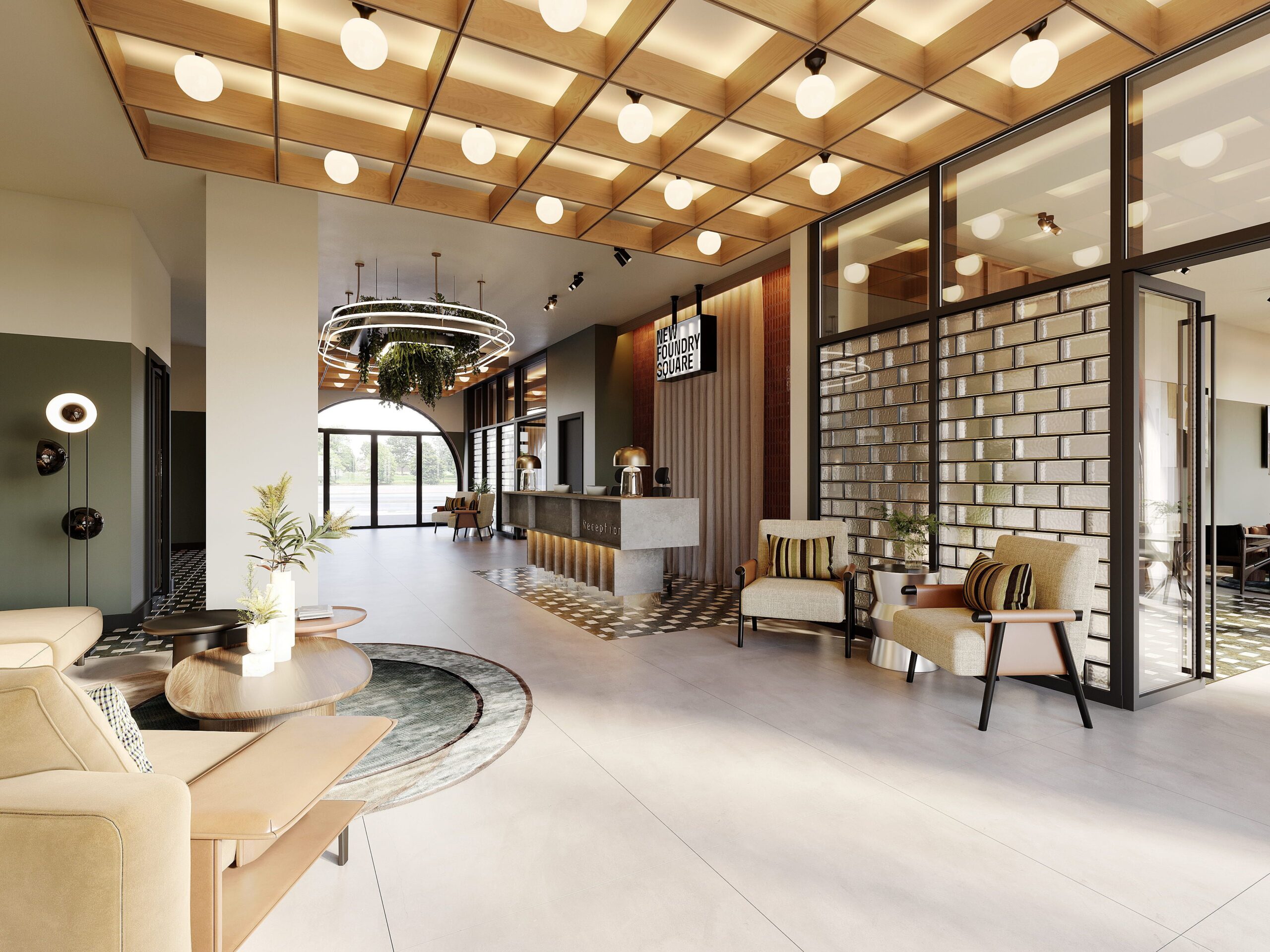
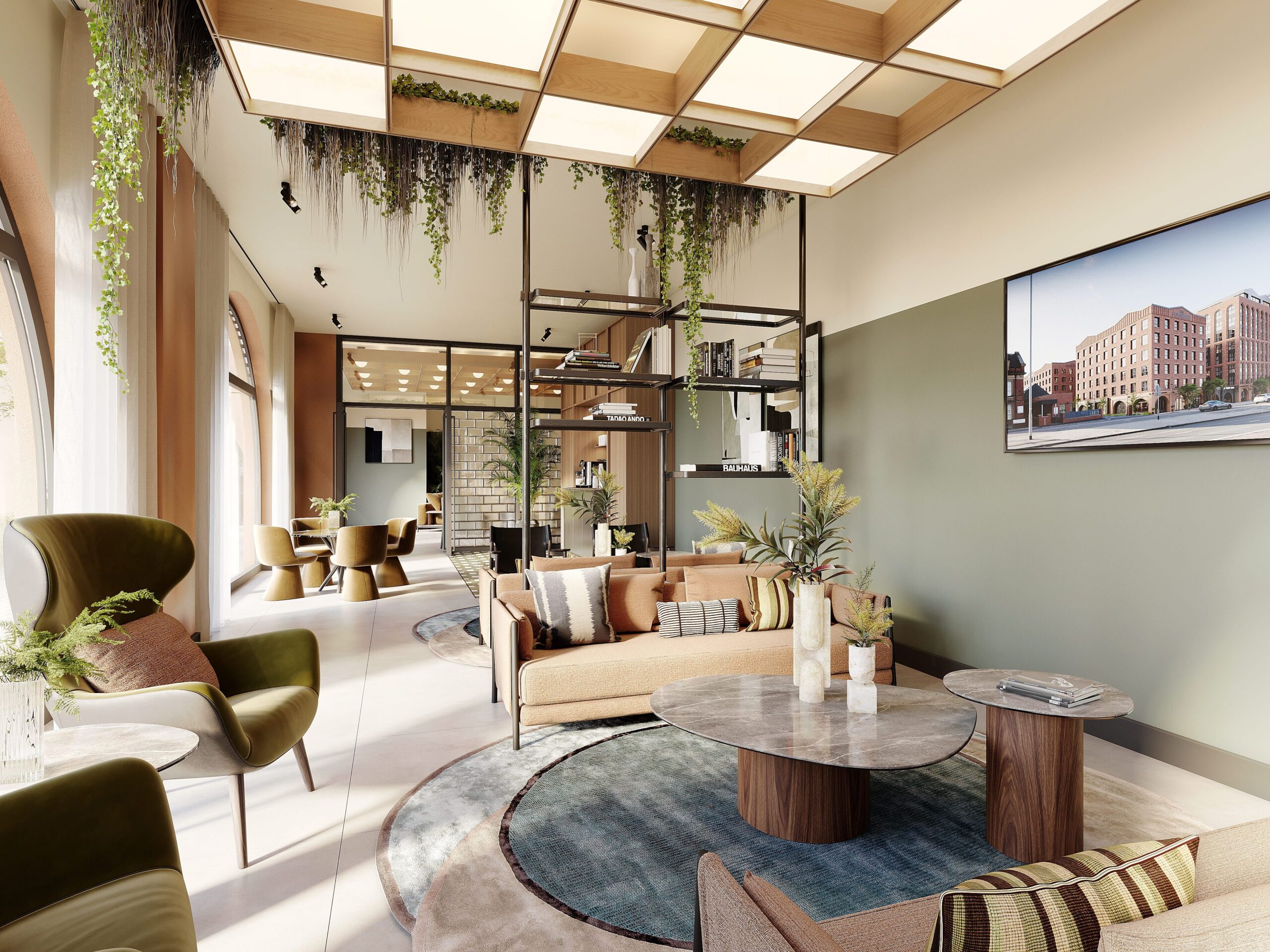
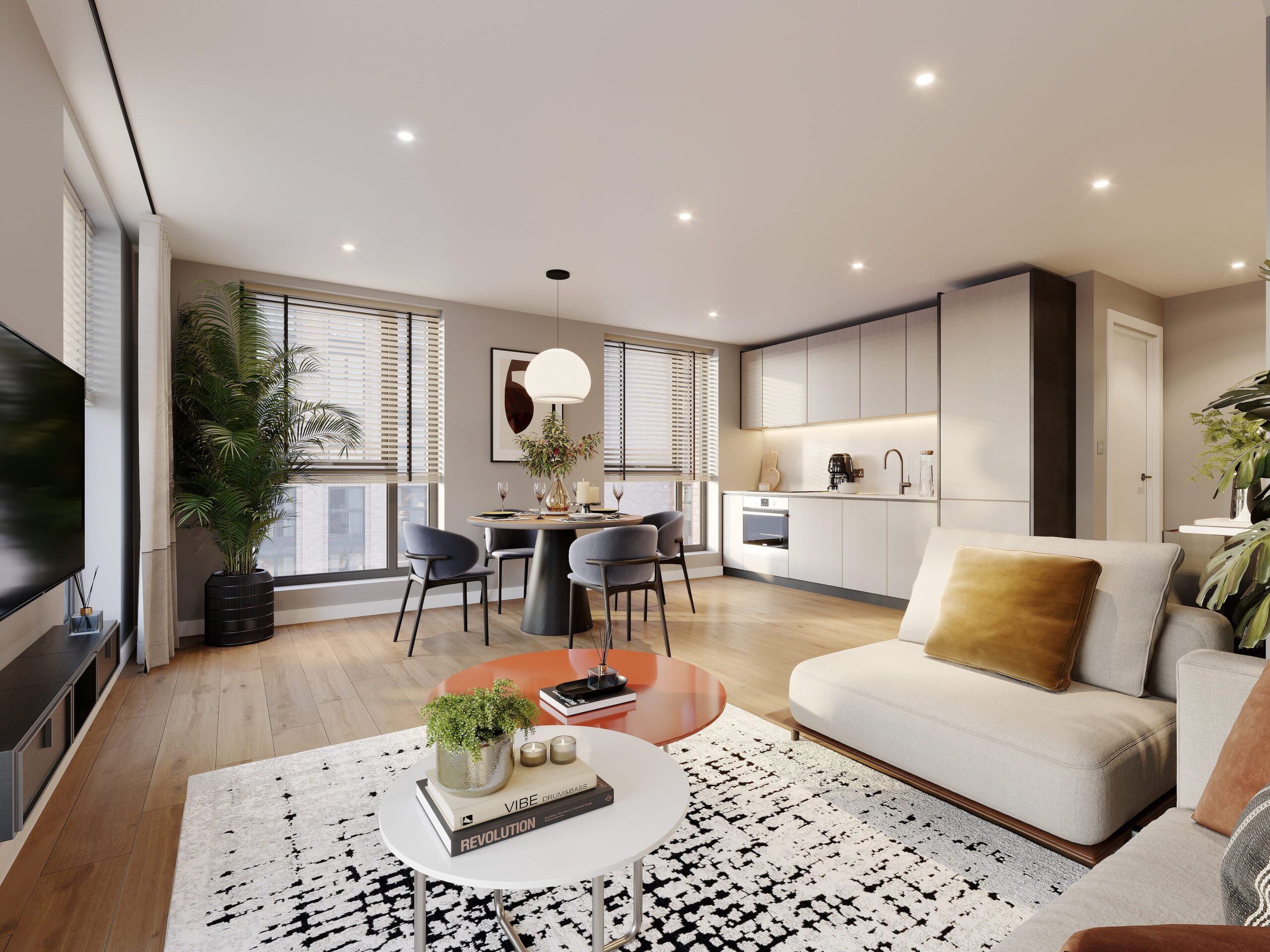
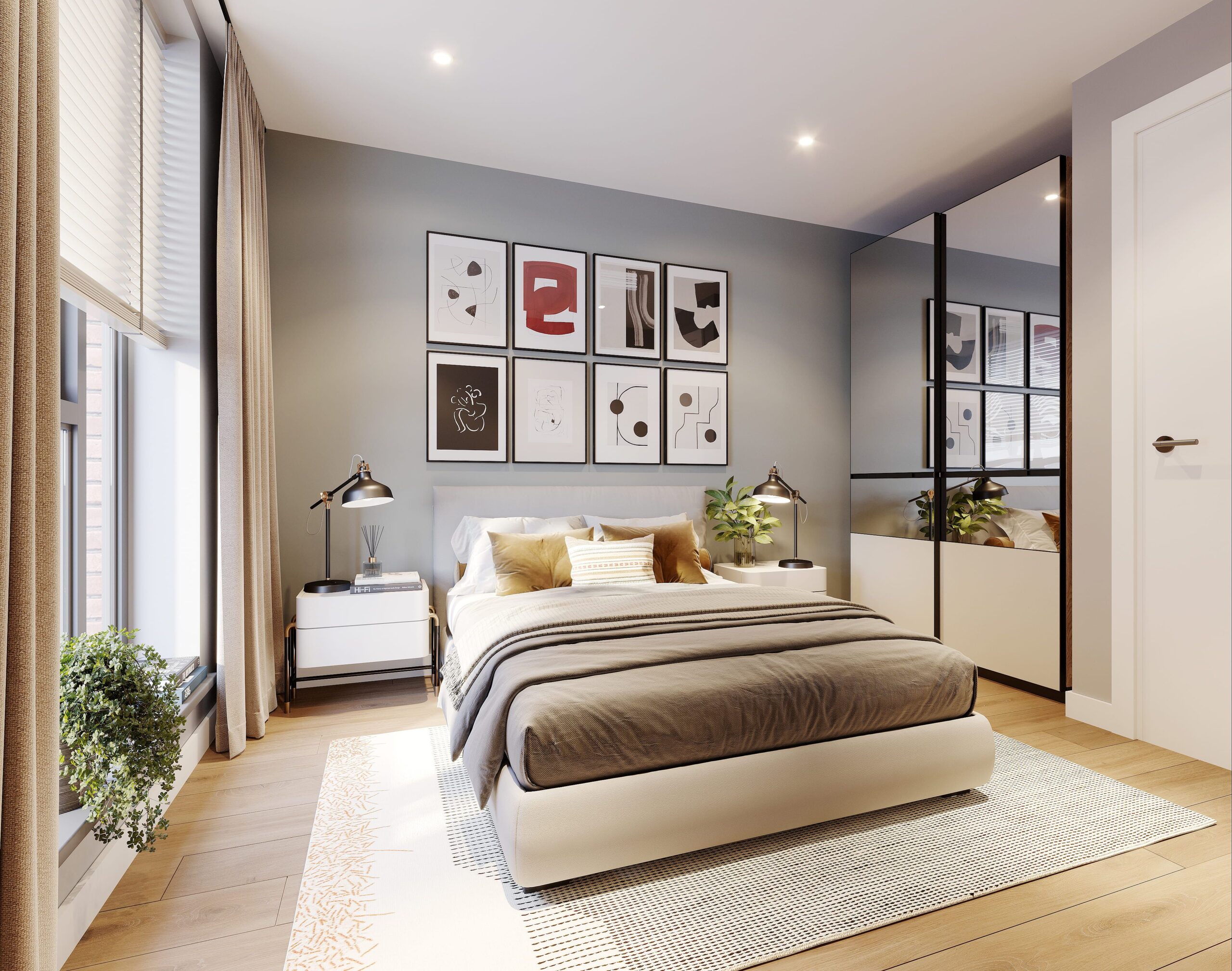
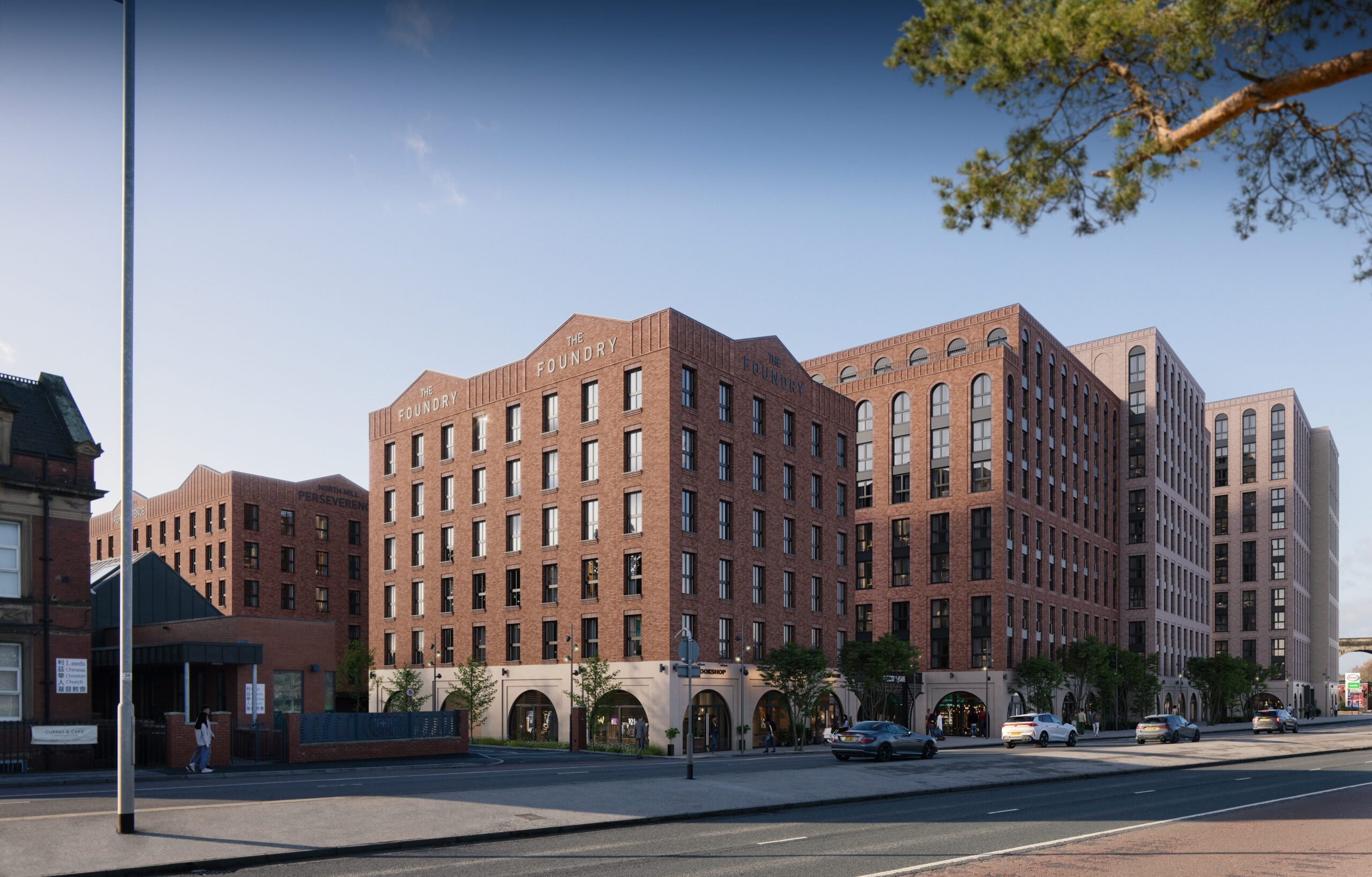
CGI Visuals: New Foundry Square, Leeds
4. Provide the right drawings and models
One of the most common questions when commissioning architectural visualisation is:
What files are needed for architectural rendering?
The exact requirements depend on the project and the stage it has reached, but useful information can include:
- Architectural plans
- Elevations
- Sections
- Site plans
- Landscape plans
- Lighting information
- Interior design drawings
- Joinery details
- FF&E schedules
- Material specifications
- CAD files
- BIM or 3D models, where available
Don’t worry if every piece of information isn’t available.
Developments evolve, and CGI is often commissioned while parts of the design are still being resolved. What matters is establishing what information is confirmed, what is still subject to change and where assumptions may need to be made. A good visualisation studio should be able to review the information available and flag anything it needs before production progresses.
5. Be specific about materials and finishes
Materials are a major part of communicating a development accurately.
For an exterior, that might include brick types, cladding, window frames, paving, roofing, metalwork and landscaping. For interiors, it could include flooring, kitchen finishes, worktops, sanitaryware, tiles, ironmongery, paint colours and furniture specifications. Where products have already been selected, provide:
- Manufacturer
- Product name
- Colour or finish
- Reference code
- Product imagery
- Supplier links
- Samples or texture references where available
If selections haven’t yet been finalised, make that clear too. The CGI team can then distinguish between elements that need to follow a confirmed specification and areas where there is scope for creative input.
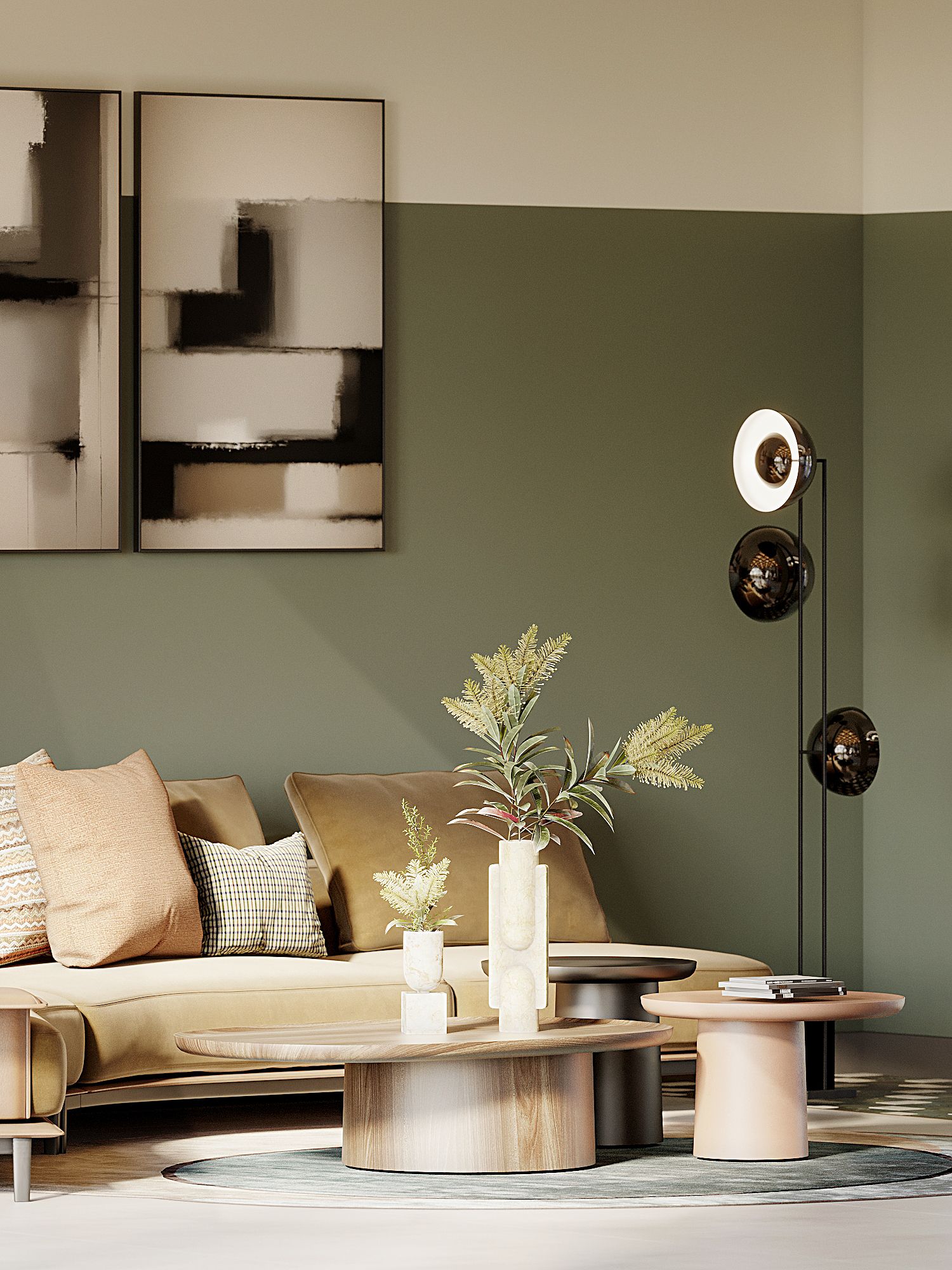
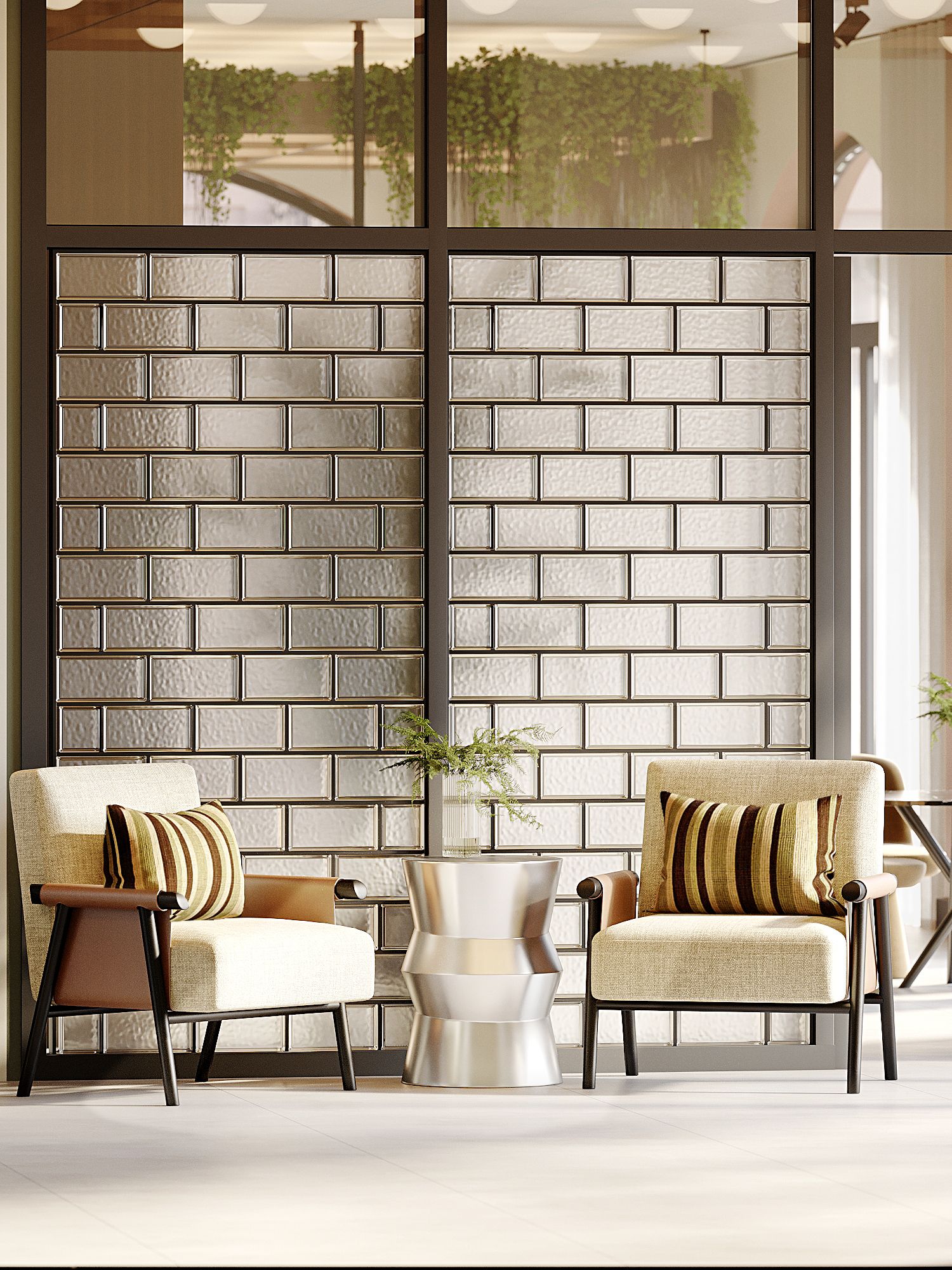


CGI Visuals: New Foundry Square, Leeds
6. Share the brand direction
For marketing CGI, the development’s visual identity shouldn’t begin and end with its logo. If a brand has already been developed, share the relevant materials with the CGI team.
That might include:
- Brand guidelines
- Brand positioning
- Colour palettes
- Typography
- Tone of voice
- Campaign concepts
- Audience profiles
- Brochure concepts
- Website designs
- Moodboards
Why does this matter?
Because CGI is often one of the most prominent parts of a property campaign.
The lighting, styling, materials, landscaping, people and overall mood of the imagery can all reinforce — or undermine — the intended positioning.
When CGI, branding, website and campaign collateral are considered together, the result is a much more coherent visual identity.
7. Include reference imagery — and explain why you like it
References are extremely useful, but context makes them considerably more valuable. Rather than sending a folder of images and saying “something like this”, explain what you’re responding to in each reference. Is it:
- The lighting?
- Camera angle?
- Styling?
- Colour palette?
- Material treatment?
- Landscaping?
- Composition?
- Level of activity?
- Overall atmosphere?
Two people can look at exactly the same reference image and notice completely different things. A few notes explaining why each image has been selected can prevent misinterpretation and help establish a clearer creative direction from the outset.
8. Think about camera priorities
You don’t necessarily need to specify the precise camera position for every CGI. In fact, part of the visualisation process can involve exploring which viewpoints communicate the development most effectively. It is useful, however, to establish what each view needs to show.
For example:
- Is there an important architectural entrance?
- Does the skyline need to be visible?
- Is a particular façade a key design feature?
- Should an interior view demonstrate the connection with a balcony or garden?
- Does a living space need to show the kitchen as well?
- Is there a particular view from an apartment that forms part of its appeal?
This gives the CGI studio a clear set of priorities while leaving room to develop the strongest composition.
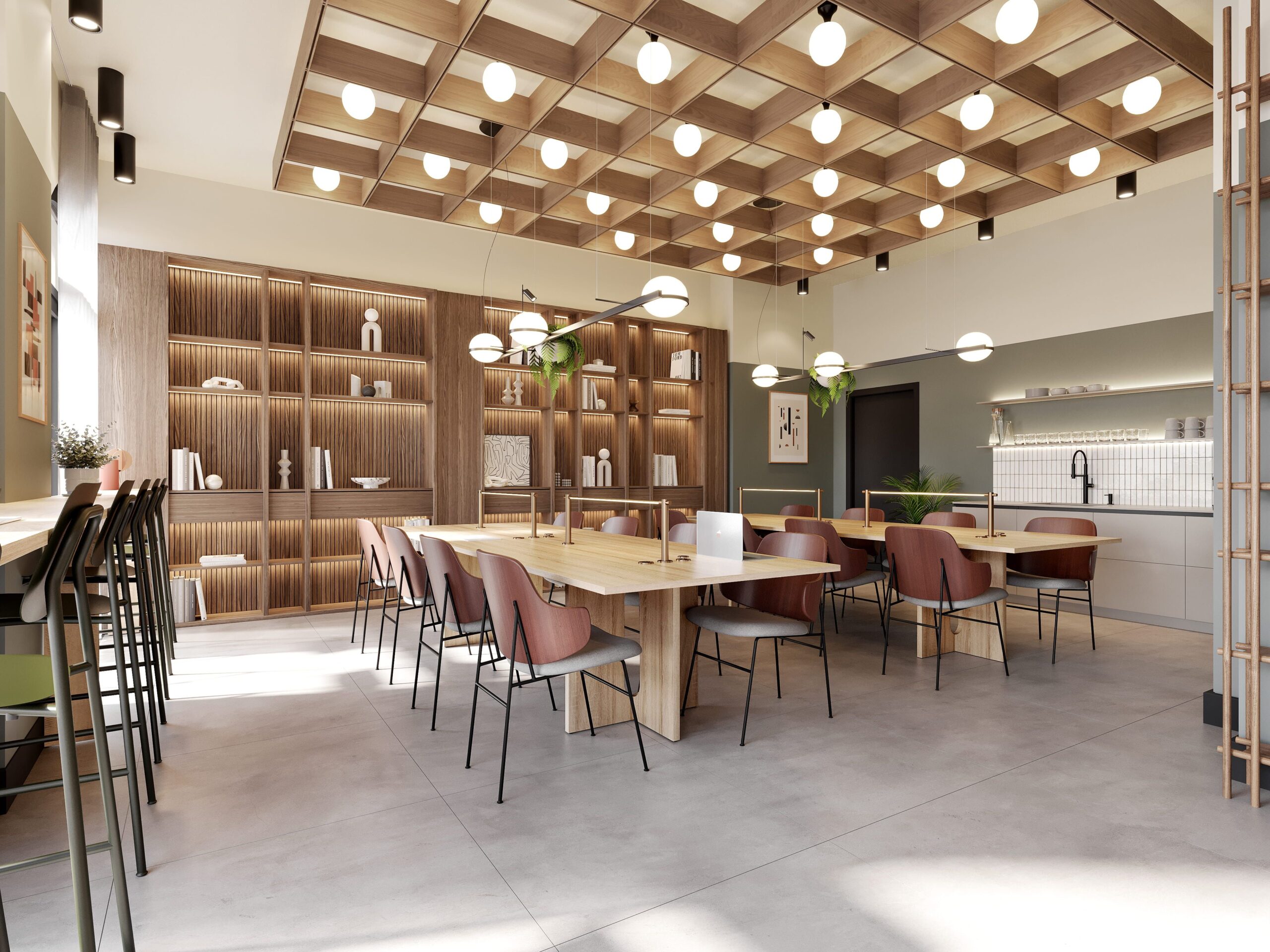
CGI Visuals: New Foundry Square, Leeds
9. Set out the programme and deadlines
How long does architectural CGI take?
There isn’t one universal timeframe.
Production time depends on factors including the number and complexity of visuals, the quality of the information supplied, whether modelling is required, the number of feedback stages and whether additional deliverables such as animation or VR are involved. Rather than working backwards from only the final launch date, tell your CGI studio about important milestones throughout the campaign.
These might include:
- Planning submission
- Internal design sign-off
- Investor presentation
- Brochure artwork deadline
- Website build
- PR announcement
- Sales launch
- Advertising campaign
- Exhibition or property event
This makes it easier to prioritise deliverables and build a realistic production programme. If you’re planning a wider property launch involving CGIs, animation and VR tours, bringing the visualisation team into the conversation early can be particularly valuable.
10. Decide who gives feedback and approval
One of the simplest ways to make a CGI project run more efficiently is to establish who is responsible for feedback. Architects, developers, interior designers, marketing agencies, sales agents and other consultants may all need to review different aspects of the imagery. That input can be valuable, but conflicting or fragmented feedback can quickly slow production down. Where possible, establish:
- Who will review each stage
- Who has final approval
- Which consultant signs off architectural accuracy
- Who approves styling and marketing decisions
- How feedback will be consolidated
A single coordinated set of comments is generally much easier to action than separate instructions arriving from multiple stakeholders.
11. Specify the required formats and channels
Where will the finished CGI actually appear? This is easy to overlook, but it can influence composition from the beginning. Your imagery might be required for:
- Website hero banners
- Property portals
- Printed brochures
- Billboards
- Hoarding
- Sales suites
- Press and PR
- TikTok
- Digital advertising
- Presentations
A wide landscape CGI that works perfectly across a website homepage might be difficult to adapt into a vertical social campaign without compromising the composition. If the visualisation studio knows the intended channels in advance, this can be considered when developing the camera and composition. It may also be useful to commission additional crops, alternative ratios or dedicated campaign assets.
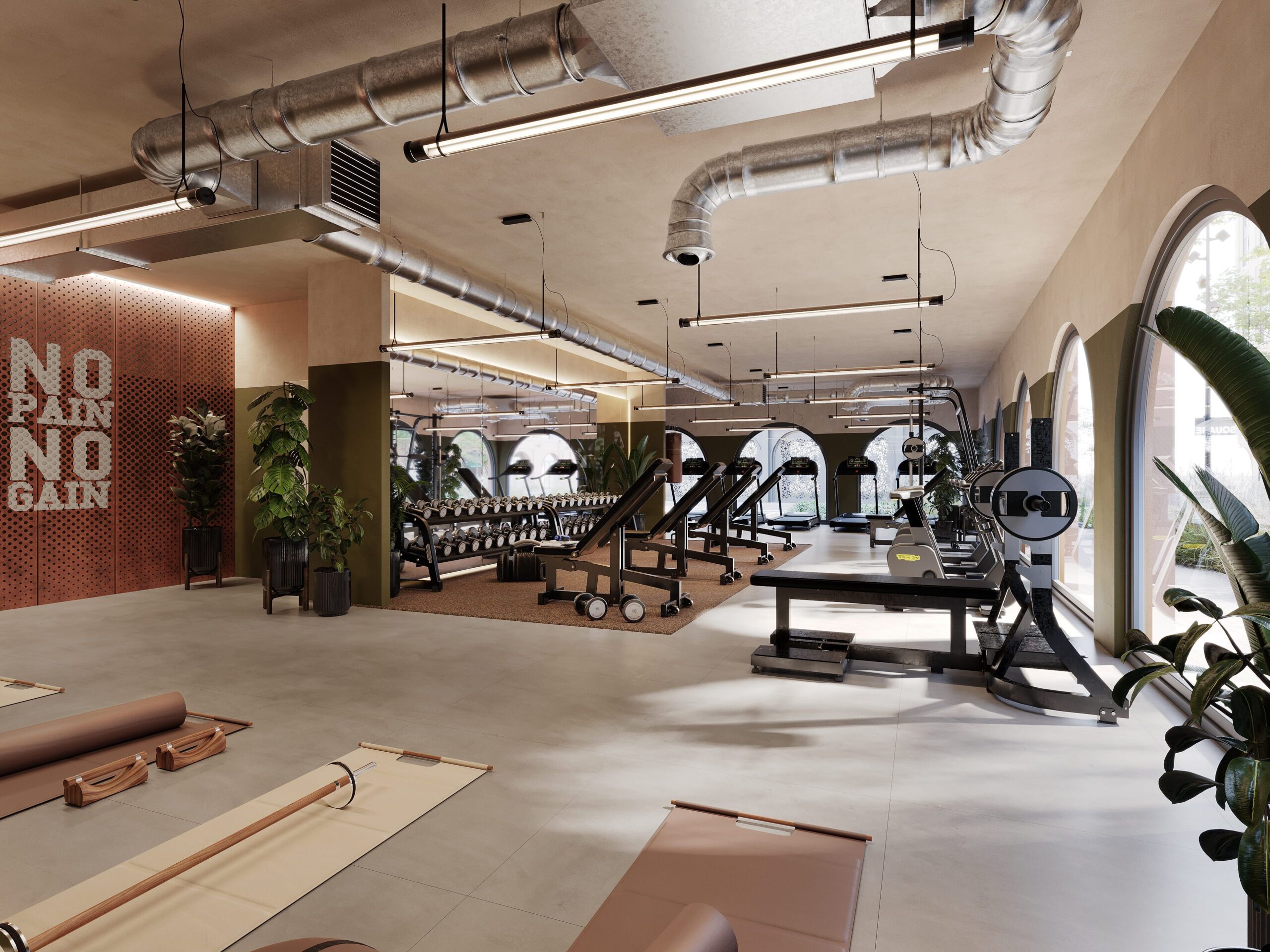
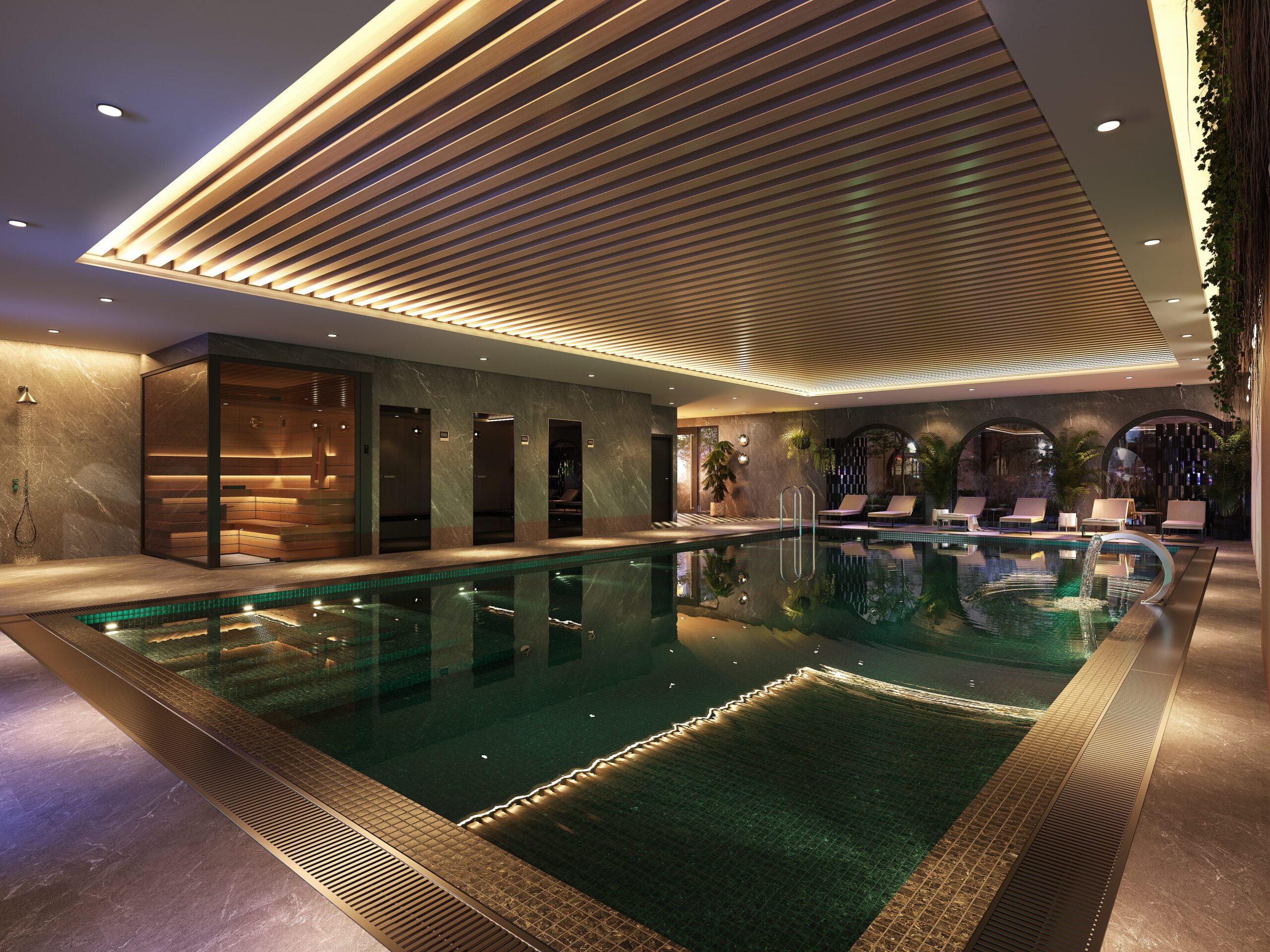
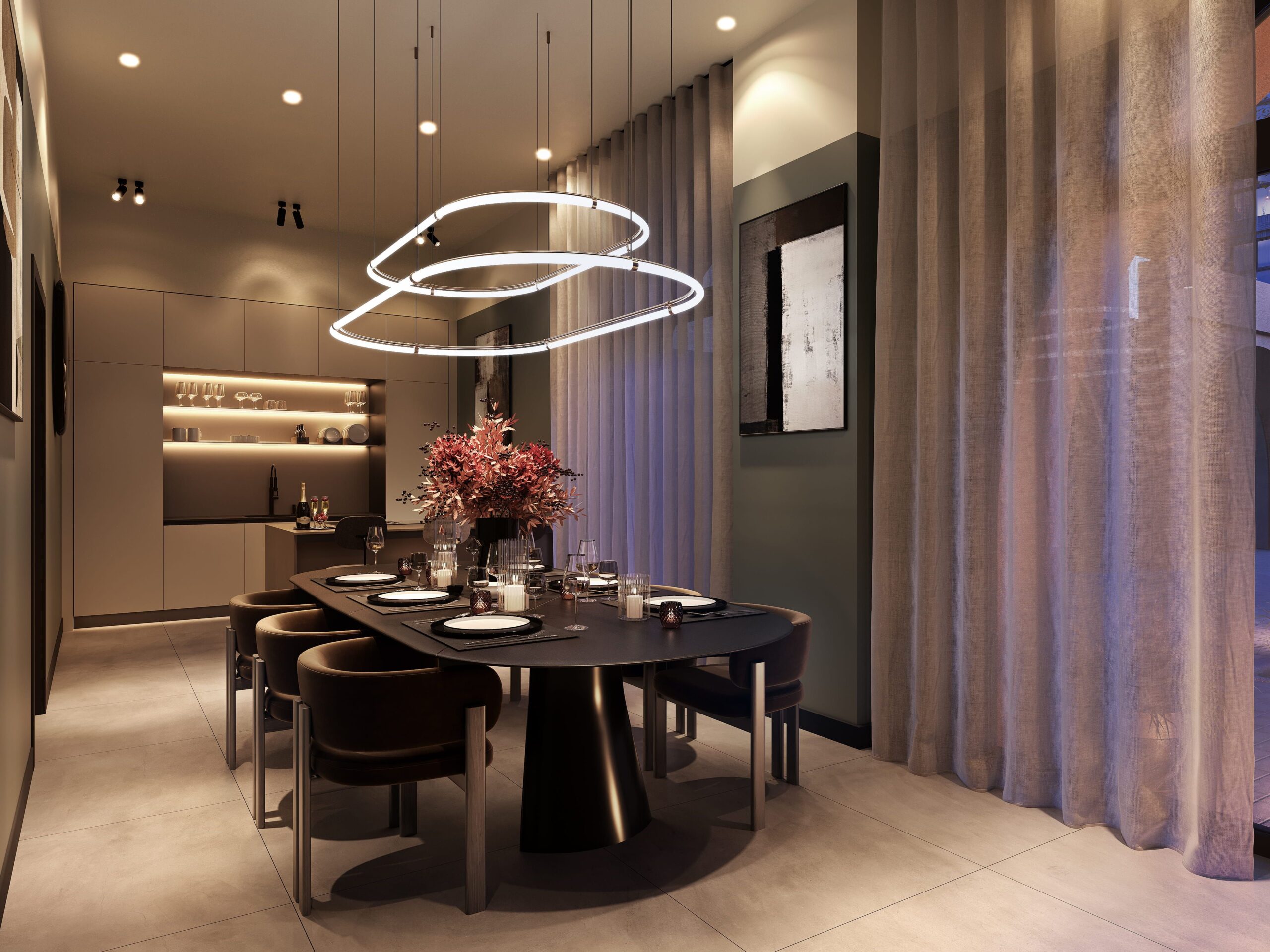
CGI Visuals: New Foundry Square, Leeds
Common architectural visualisation briefing mistakes
A detailed brief doesn’t need to be complicated. In many cases, avoiding a few common problems makes the biggest difference.
Treating CGI as an isolated deliverable
If the visuals are ultimately going to form part of a property campaign, brief them with the wider campaign in mind.
Providing references without explaining them
Always clarify what specifically you like (or dislike) about reference imagery.
Leaving audience information out
A CGI studio can visualise a room without knowing its audience. But understanding who the development is intended for can inform much more purposeful styling and storytelling.
Not identifying what is still subject to change
Clearly distinguishing confirmed information from provisional design decisions helps everyone manage revisions more effectively.
Too many people providing separate feedback
Consolidated feedback reduces contradictions and keeps the project moving.
Deciding formats after the CGI has been completed
If you know an image needs to work on a website, brochure, Instagram campaign and large-format print, communicate that before the camera is finalised.
Commissioning visuals too late
Bringing CGI into the project earlier creates more opportunity to plan a coordinated set of assets around the wider marketing programme.
Architectural Visualisation Brief Checklist
Before sending your brief, consider whether you’ve covered:
- Project overview and objectives — What is the development and what does the imagery need to achieve?
- Audience — Who needs to understand or respond to the visuals?
- Deliverables — What CGIs, animations or VR experiences are required?
- Purpose — What role does each visual play?
- Architectural information — What drawings, models and specifications are available?
- Materials — Which finishes are confirmed?
- Brand direction — What positioning and visual identity should inform the work?
- References — What imagery communicates the desired direction, and why?
- Camera priorities — What needs to be visible or communicated?
- Programme — What are the key review, artwork and launch deadlines?
- Approvals — Who provides feedback and who has final sign-off?
- Outputs — Where will the finished visuals be used?
You don’t need every item completely resolved before making contact with a CGI studio. The checklist is a starting point for a productive project conversation rather than a barrier to beginning one.
FAQs
How do I brief a CGI studio?
Start by explaining the project, the purpose of the imagery and its intended audience. Then provide the available architectural information, material specifications, brand direction, references, deadlines and required output formats. You don’t need to resolve every detail before making contact; the studio should be able to identify any additional information needed.
What does an architectural visualisation studio need?
An architectural visualisation studio will typically need architectural drawings or models alongside information about materials, finishes and landscaping. For marketing CGI, information about the target audience, brand positioning, interior styling and intended campaign channels can also be valuable.
What files are needed for architectural rendering?
Depending on the project, these may include CAD drawings, plans, elevations, sections, site plans, landscape drawings, BIM or 3D models, interior design information, FF&E schedules and material specifications. The exact requirements vary depending on the project and deliverables.
How long does architectural CGI take?
There is no single production timeframe for architectural CGI. It depends on the scale and complexity of the project, number of visuals, information available, modelling requirements, review process and additional deliverables. Sharing key campaign or planning deadlines at the briefing stage allows the CGI studio to establish an appropriate programme.
What should be included in a CGI brief for a new property development?
A CGI brief should cover the project’s objectives, audience, required visuals, available architectural information, materials, brand direction, references, camera priorities, deadlines, approval process and final formats. For marketing campaigns, it should also explain how the imagery will be used across the wider launch.
A better brief creates a better starting point
A successful architectural visualisation project doesn’t begin with the render button. It begins with understanding what needs to be communicated, to whom, and why. Drawings and specifications provide the technical foundation, but audience, brand, campaign objectives, viewpoints, deadlines and intended uses provide the context that turns those inputs into purposeful visual communication. And you don’t need to have everything figured out before getting started.
If you’re preparing a new development and aren’t sure whether your brief contains everything needed, North Made Studio can review the information you already have, identify what’s missing and help define the right visual approach for your project.
Planning a project? Get in touch with us for an initial project conversation or CGI brief review.
Explore our 3D rendering services and share your project objectives, drawings and intended uses with the studio.