How CGI supports an off-plan property launch
When you’re launching an off-plan development, your marketing campaign often needs to begin months, or even years, before the first brick is laid.
So how do you sell somewhere that doesn’t yet exist?
It’s one of the biggest challenges facing property developers, housebuilders and marketing agencies. Buyers want to understand the place they’re investing in, stakeholders need confidence in the vision, and sales teams need compelling assets long before construction is complete.
This is where architectural CGI becomes far more than a collection of attractive images. Done well, it becomes the visual foundation of an entire marketing campaign.
The Challenge of Marketing an Unbuilt Development
Unlike most products, property developments can’t be photographed before launch.
Marketing teams are often working with planning drawings, technical specifications, material schedules and architectural plans. But these documents don’t communicate emotion, atmosphere or lifestyle. For prospective buyers, investors and even planning stakeholders, technical drawings rarely answer the question they’re really asking:
“What will this place actually feel like?”
Professional architectural visualisation bridges that gap by translating technical information into clear, engaging imagery that people can immediately understand. Instead of asking audiences to imagine the future, CGI lets them see it.
Turning Plans and Specifications into Something People Understand
Architectural drawings contain an enormous amount of information, but they aren’t designed for buyers.
- Professional CGI transforms:
- Floor plans into furnished homes
- Material schedules into realistic finishes
- Landscaping plans into welcoming public spaces
- Elevations into recognisable buildings
- Technical specifications into lifestyle experiences
Rather than simply illustrating architecture, visualisation communicates design intent. It helps audiences understand scale, light, materials, atmosphere and how different spaces connect together. This is particularly important for off-plan residential developments, where buyers often make purchasing decisions before construction has even started.
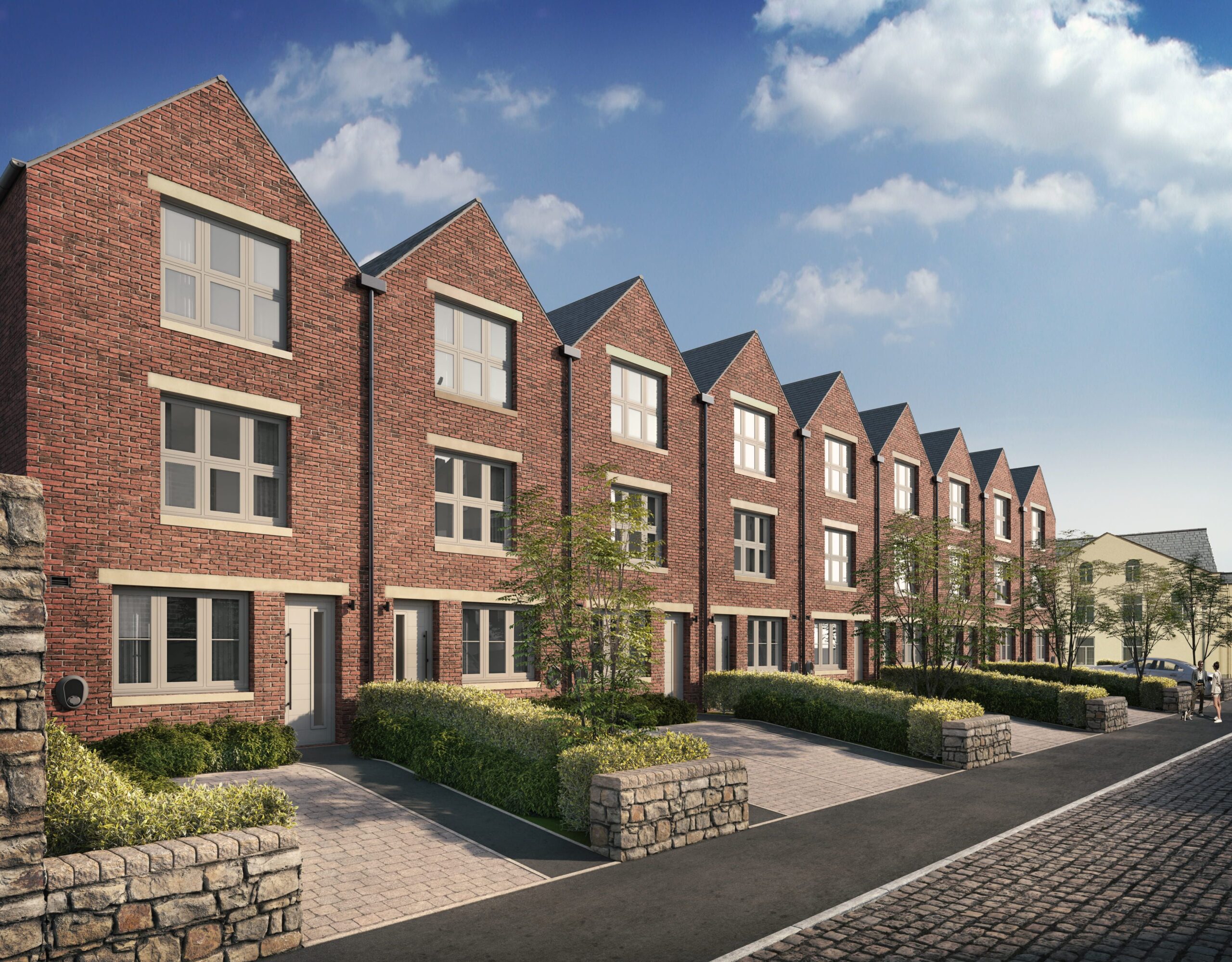
Example of a high-quality exterior CGI that helps audiences understand the scale, architecture and character of a development long before construction begins.
CGI Visual: Empress Court, for Views
Establishing a Visual World
Successful developments don’t rely on one impressive hero image. They establish an entire visual identity. That identity should feel consistent across every touchpoint:
- Exterior CGI
- Interior CGI
- Lifestyle imagery
- Animation
- VR tours
- Website graphics
- Sales brochures
- Social media
- Sales suite displays
When every visual shares the same lighting, styling, material palette and design language, the campaign feels coherent and professional. This consistency builds recognition and trust throughout the marketing journey.
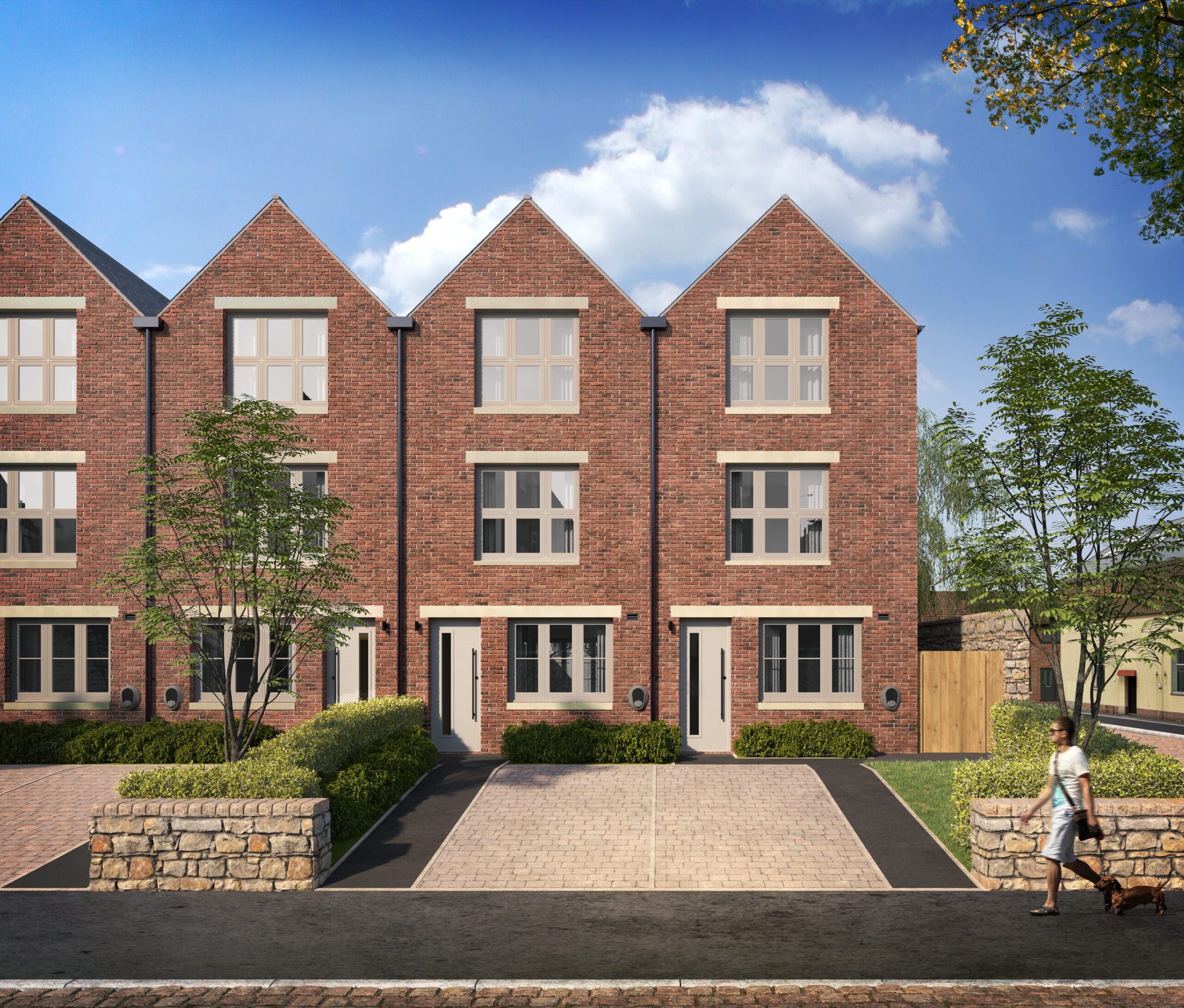
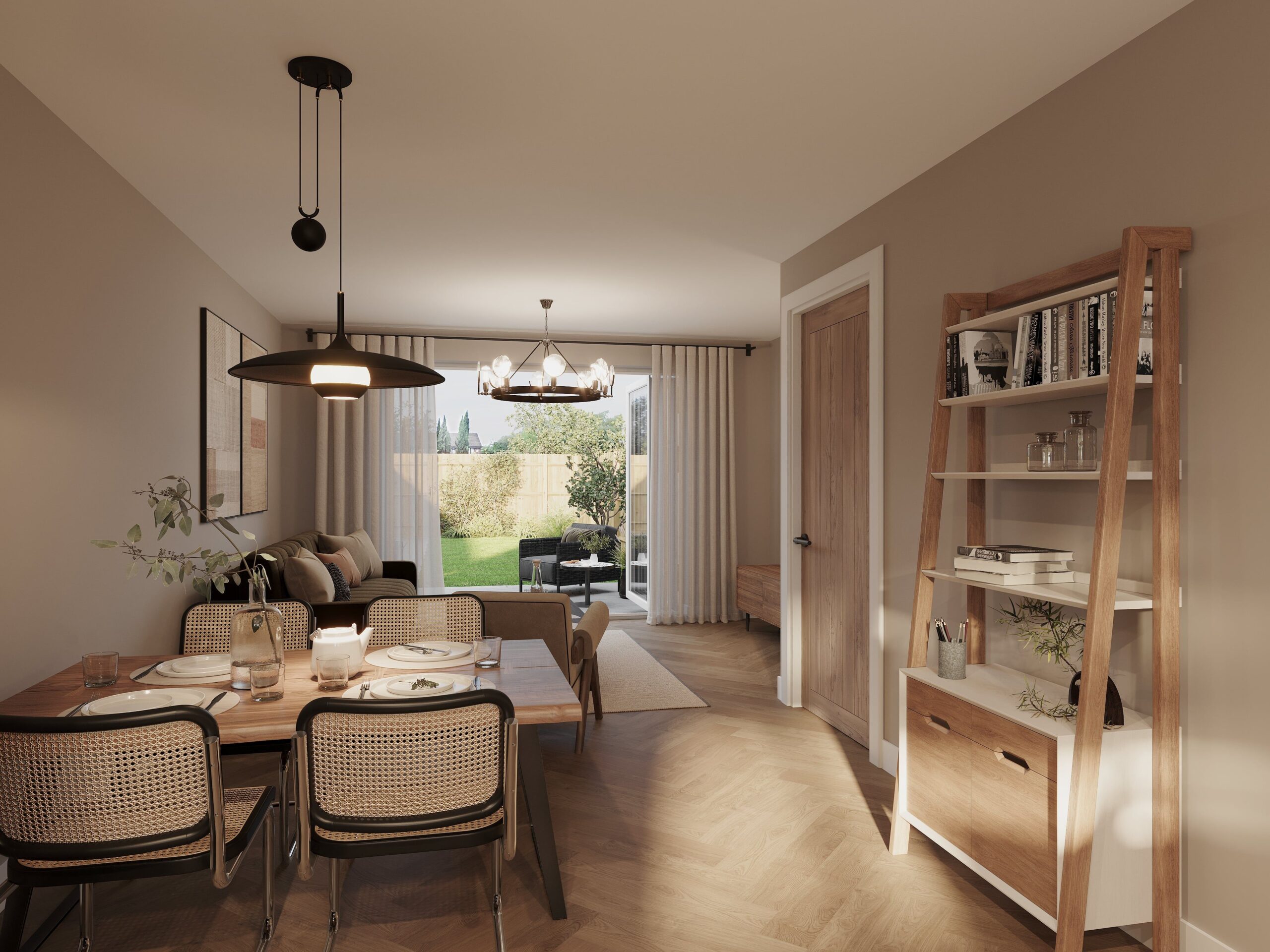
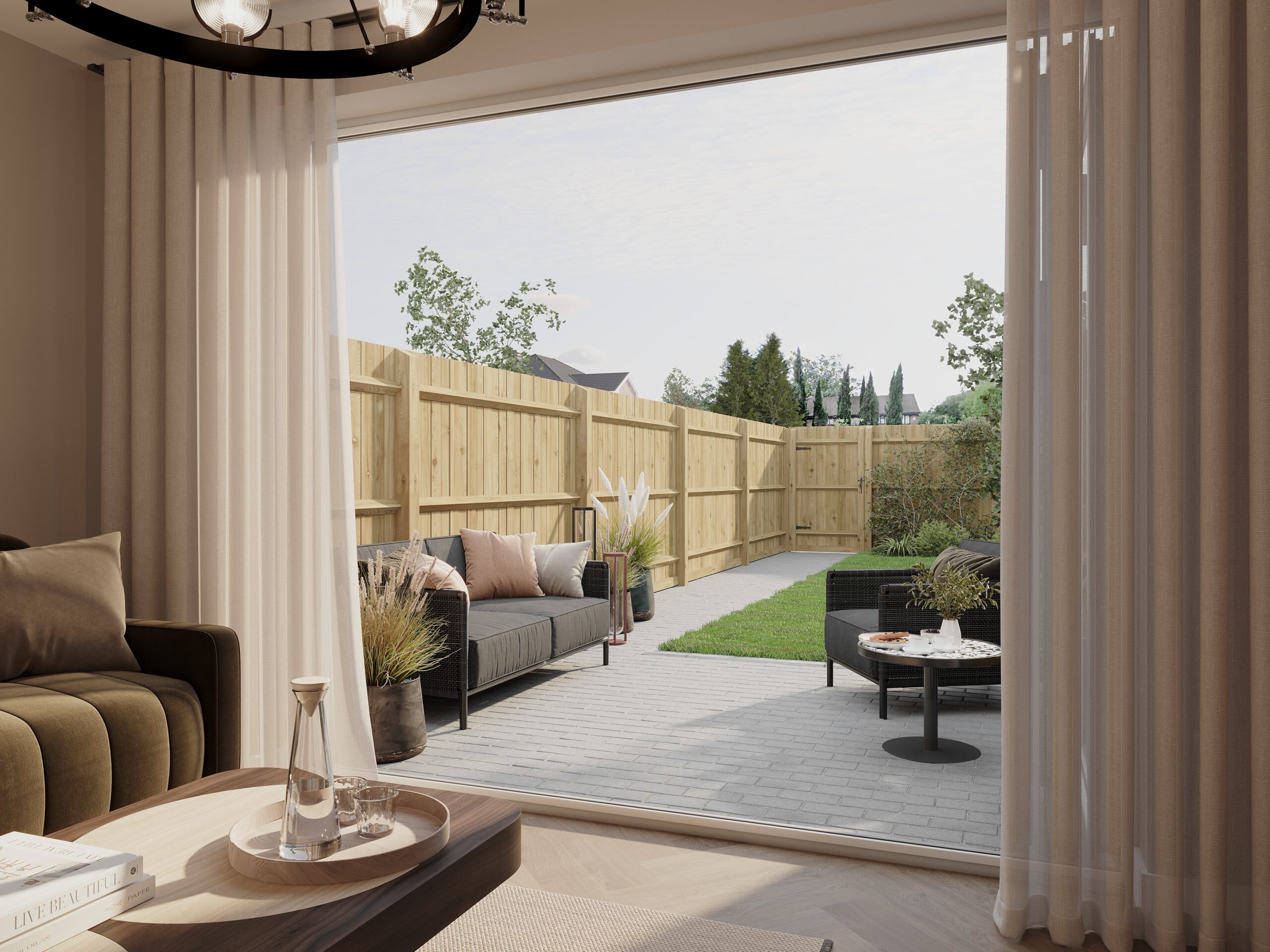
Example of consistent visual language across every asset, which helps strengthen the development’s identity.
CGI Visual: Empress Court, for Views
Creating Assets for Every Stage of the Campaign
One of the biggest misconceptions about CGI is that it’s simply used to create brochure images. In reality, successful developments often require an entire library of assets that support different campaign stages.
Planning & Early Marketing
At the earliest stages, CGI helps communicate the vision to planning authorities, stakeholders and investors.
Visuals demonstrate how the scheme will sit within its surroundings and communicate architectural intent more clearly than technical drawings alone.
Launch Campaign
As sales approach, the focus shifts towards creating compelling marketing assets. This may include:
- Hero exterior imagery
- Interior CGI
- Lifestyle detail shots
- 3D floor plan visualisation
- Animations
- VR tours
- Social media assets
- Website imagery
Each serves a different purpose while contributing to one consistent story.
Sales & Ongoing Marketing
As construction progresses, these assets continue to support:
- Digital advertising
- PR campaigns
- Email marketing
- Sales presentations
- Investor communications
- Social media
- Brochures
- Exhibition graphics
Rather than commissioning visuals reactively, planning them as a coordinated collection ensures the campaign remains consistent from launch through to completion.
Website & Landing Page Imagery
For many buyers, a website provides the first impression of a development. Professional CGI helps websites explain:
- What the development looks like
- Where it’s located
- Interior quality
- Lifestyle amenities
- Apartment layouts
- Shared spaces
Combined with animations and interactive VR tours, visitors can begin exploring the development before construction even starts.
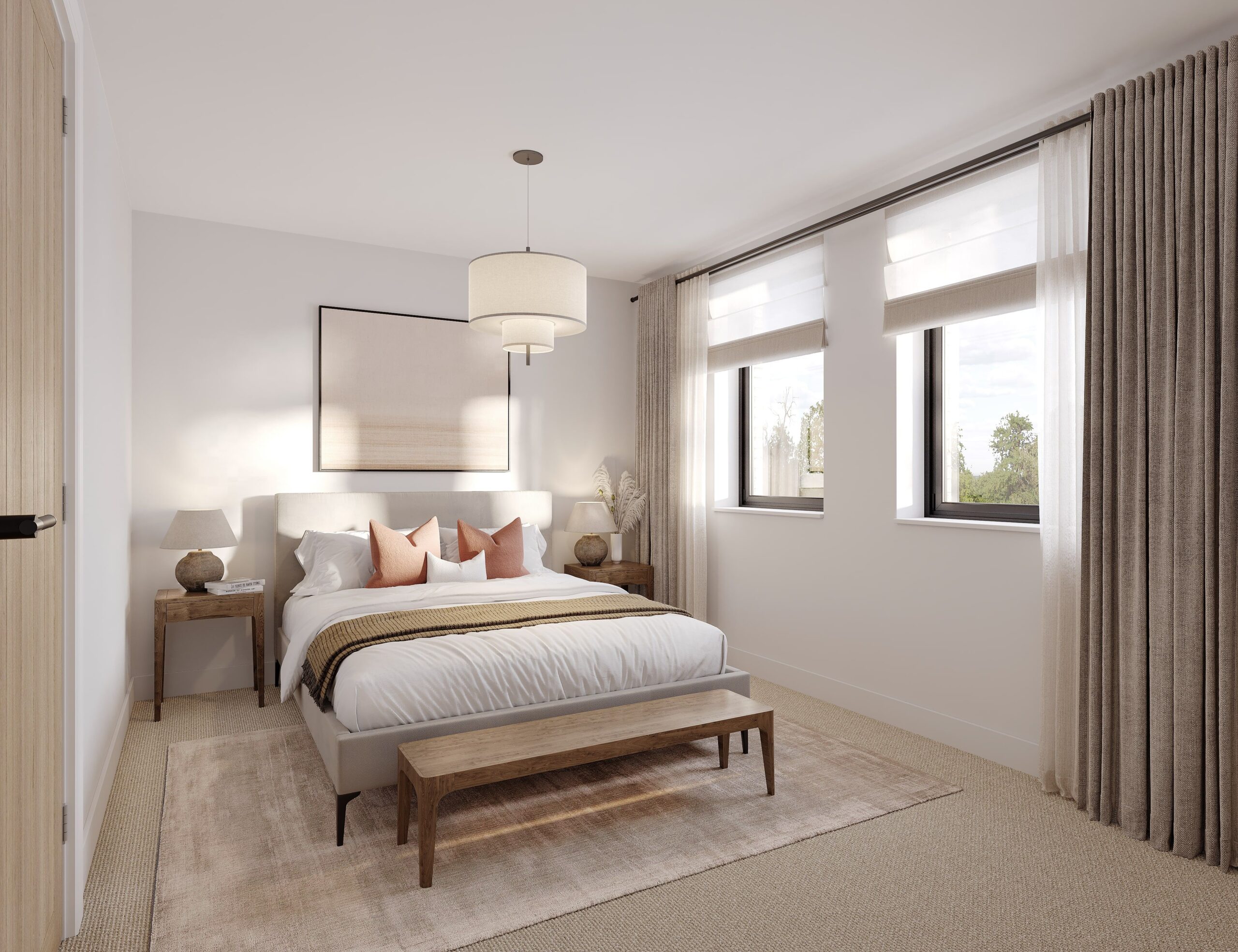
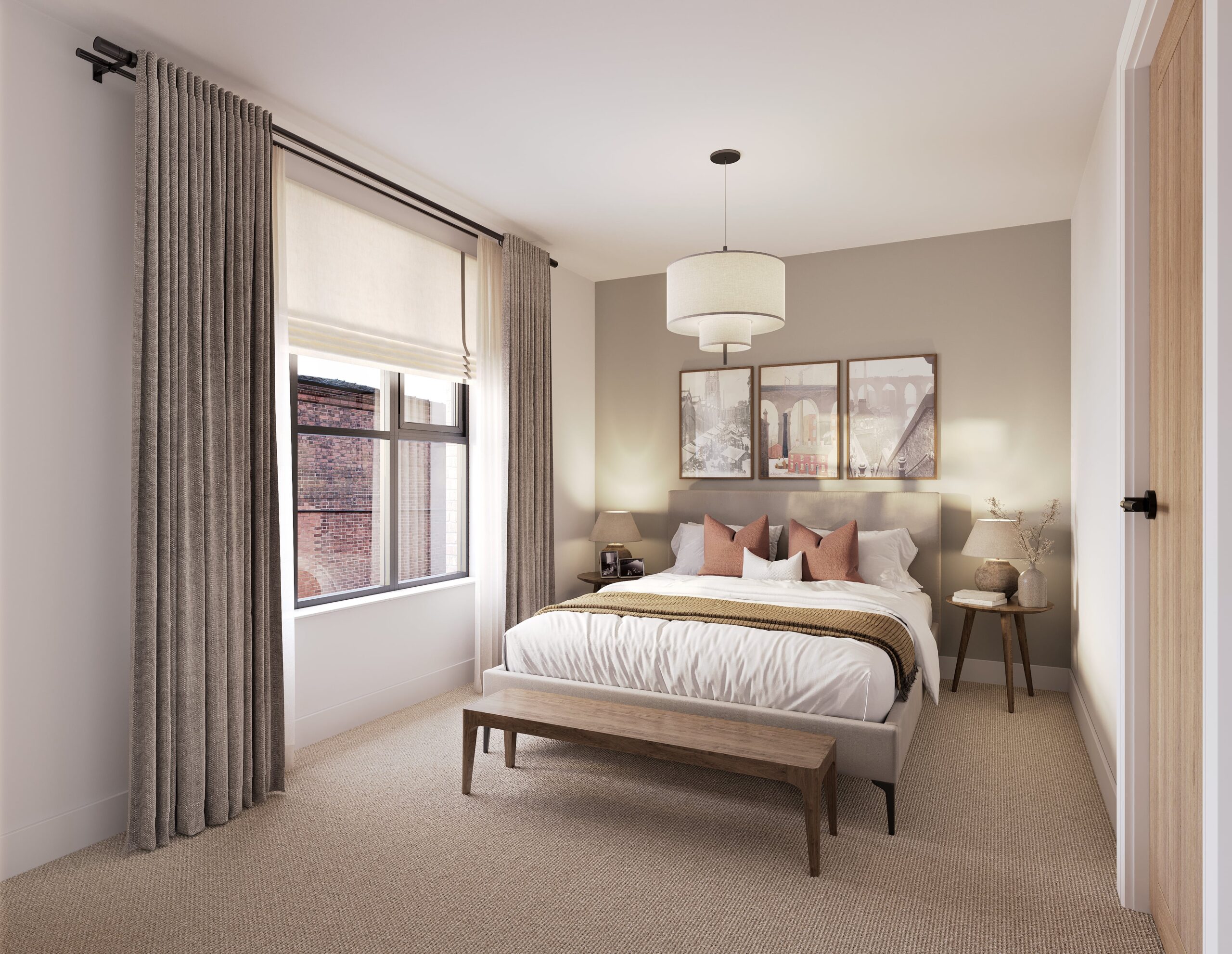
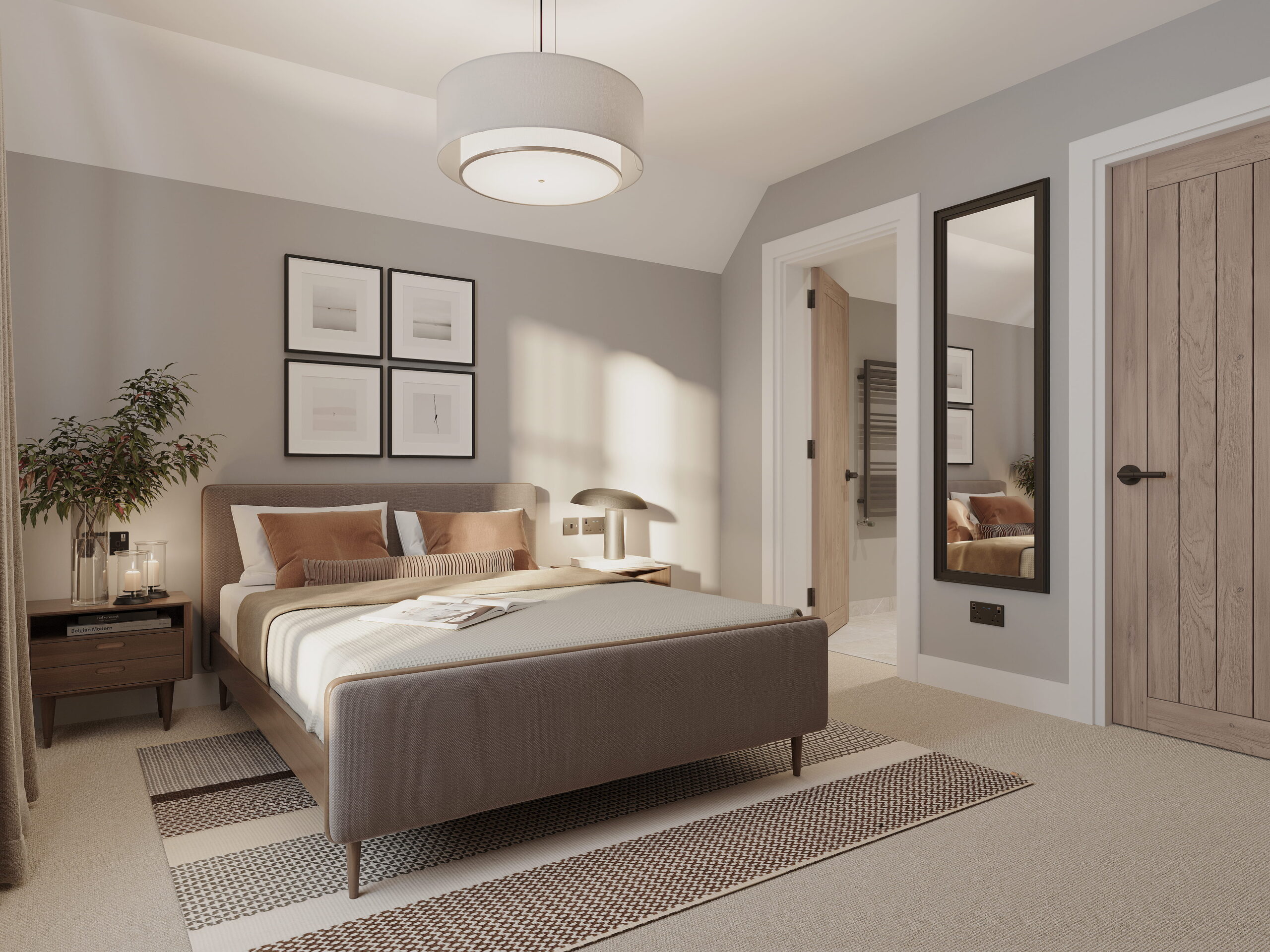
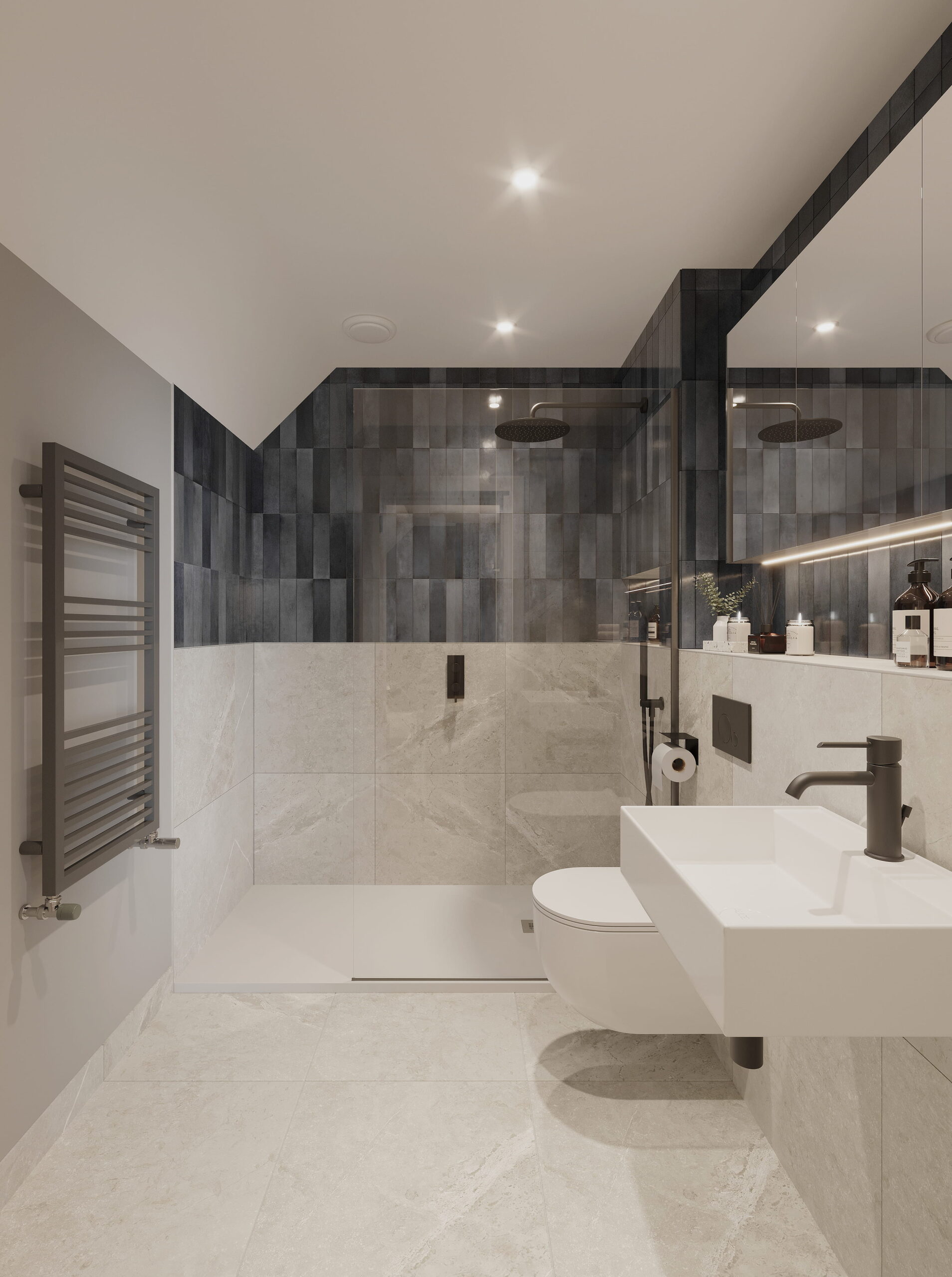
An example of website-ready hero CGIs
CGI Visuals: Empress Court, for Views
Social Media & Paid Campaign Assets
Marketing campaigns require far more than one landscape image. Today’s campaigns often need:
- Square posts
- Portrait ads
- Story graphics
- Reel thumbnails
- Carousel imagery
- Lifestyle crops
- Detail shots
- Motion graphics
Creating these variations from a planned CGI library helps maintain visual consistency across every platform. Rather than repeating the same image, marketing teams can tell a richer story throughout the campaign.
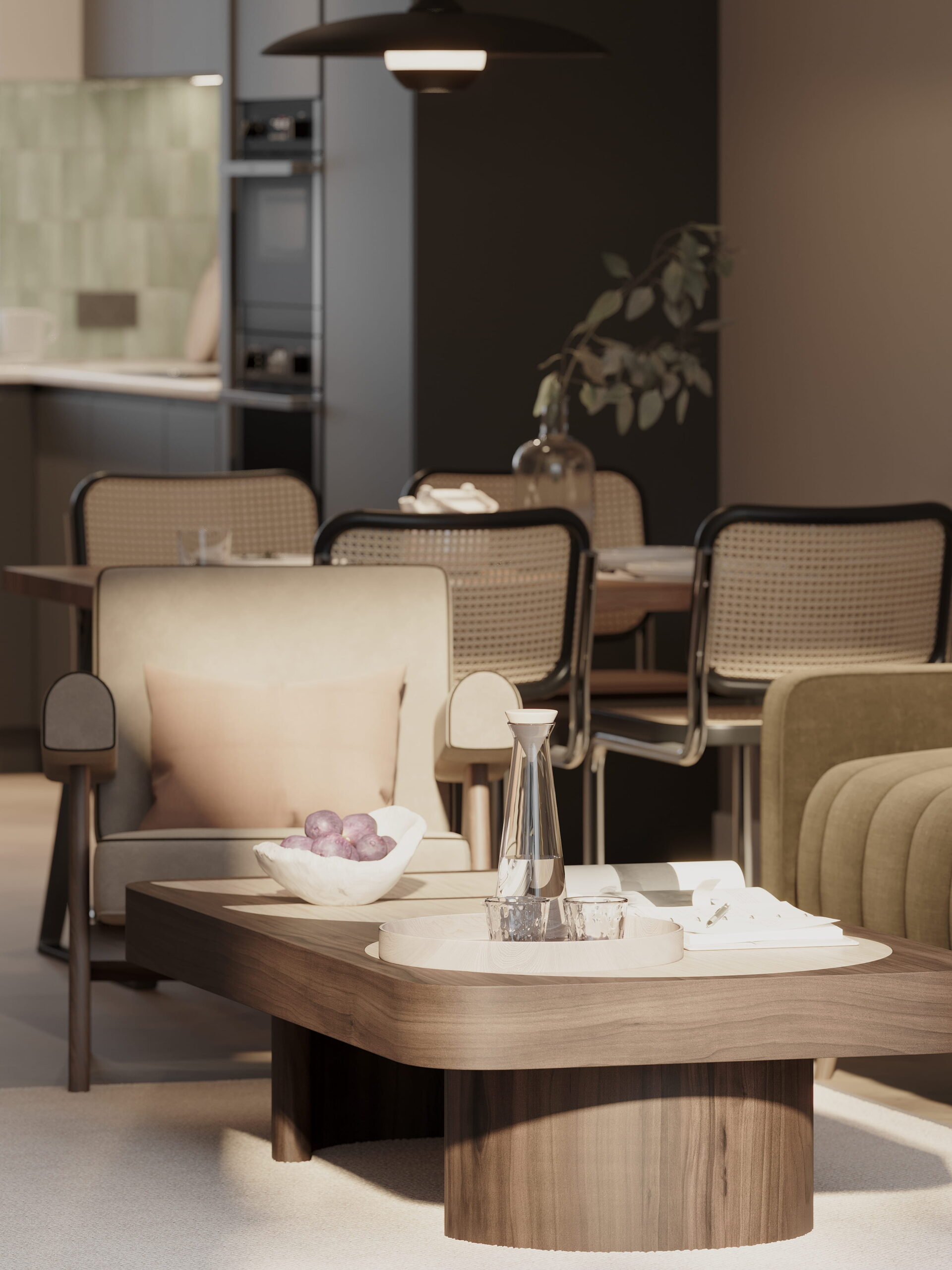

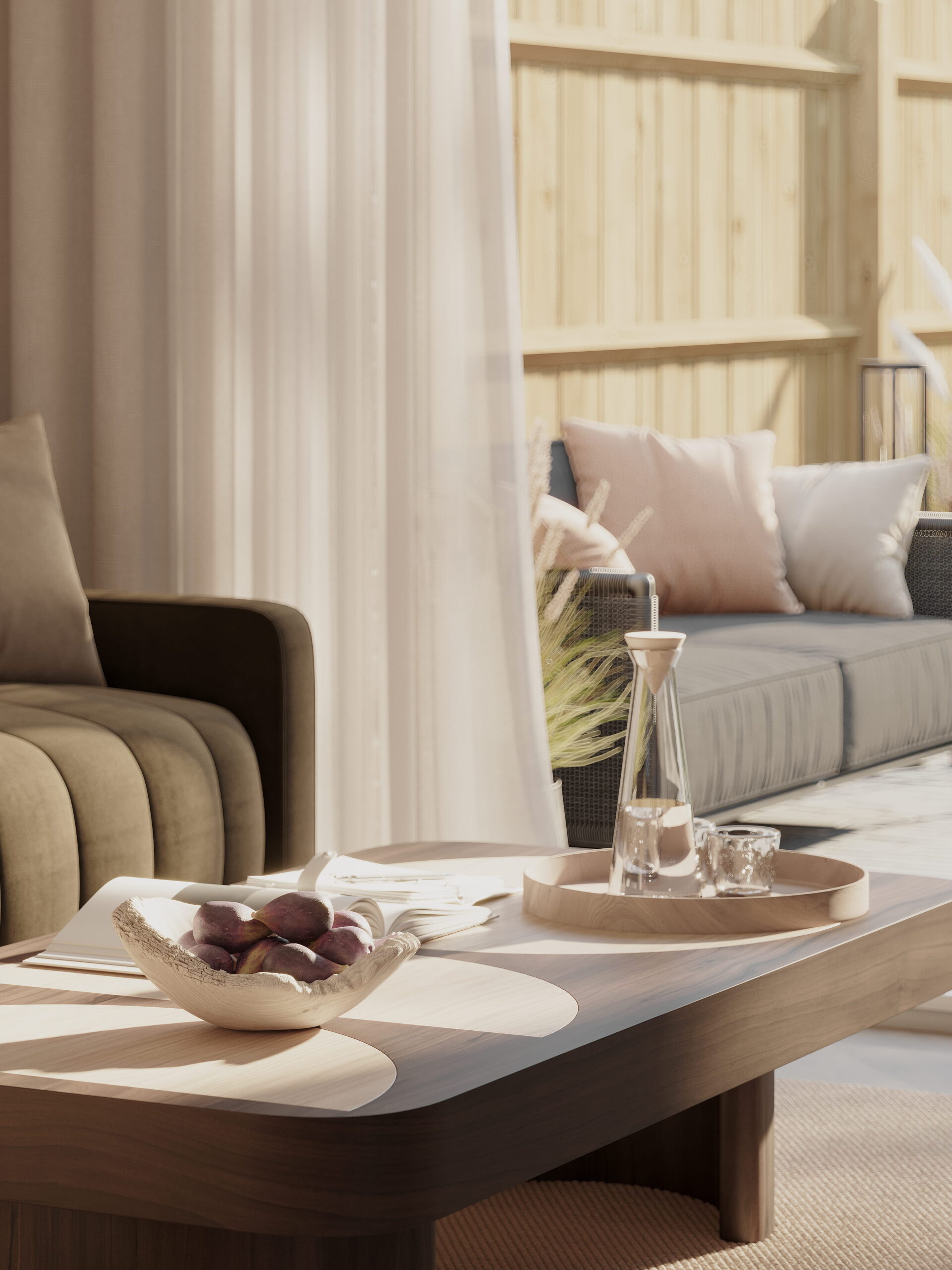
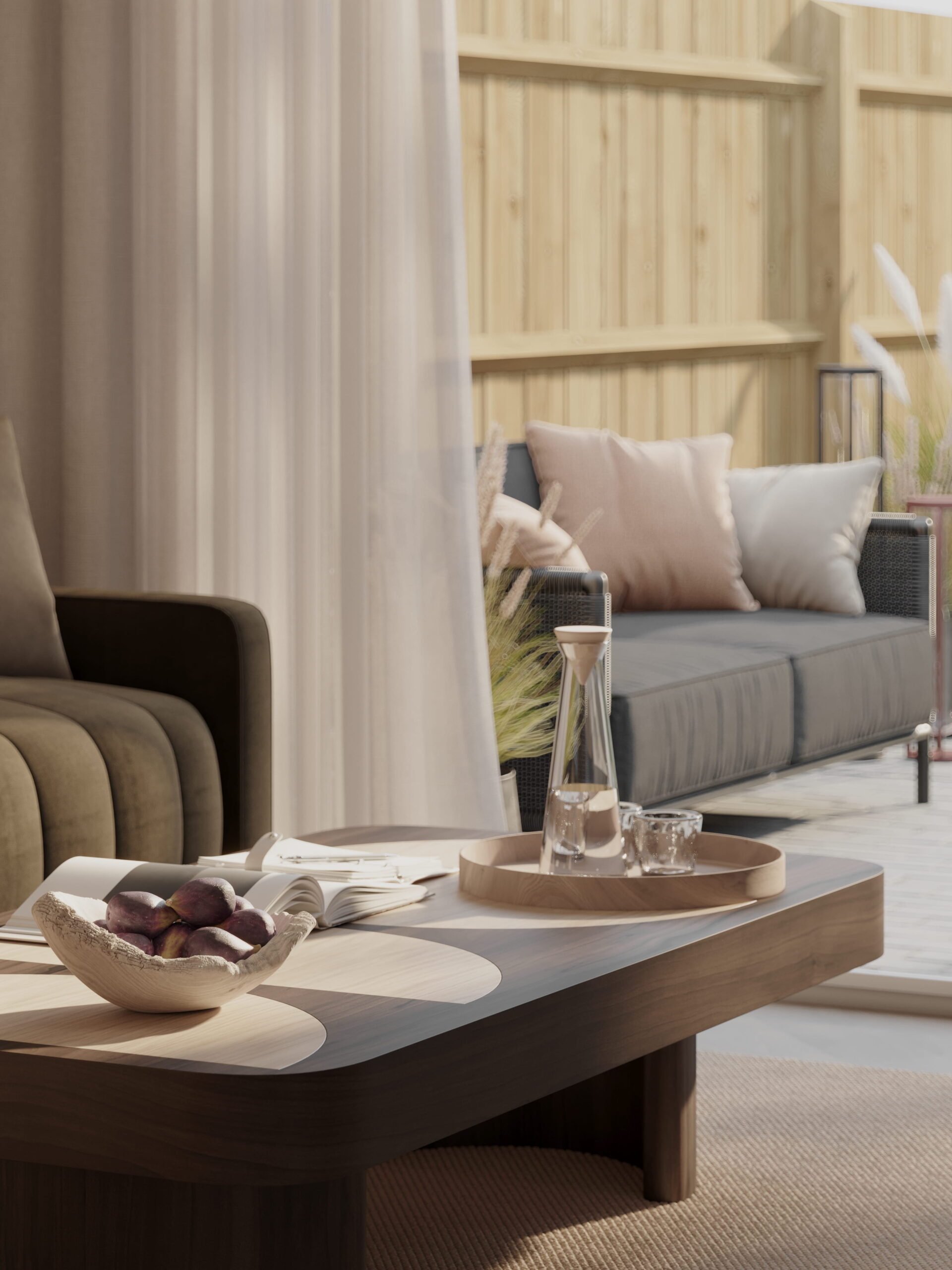
An example of detailed CGI which provides marketing teams with a versatile library of assets for social media, paid advertising and ongoing content.
CGI Visuals: Empress Court, for Views
Brochures & Sales Environments
Sales brochures and marketing suites remain an important part of many residential developments. High-quality architectural visualisation helps transform these environments by providing:
- Large-format hero imagery
- Apartment lifestyle visuals
- Floor plans
- Specification graphics
- Amenity visuals
- Wayfinding displays
- Interactive VR experiences
Rather than relying on imagination, buyers can experience the development before construction has been completed.
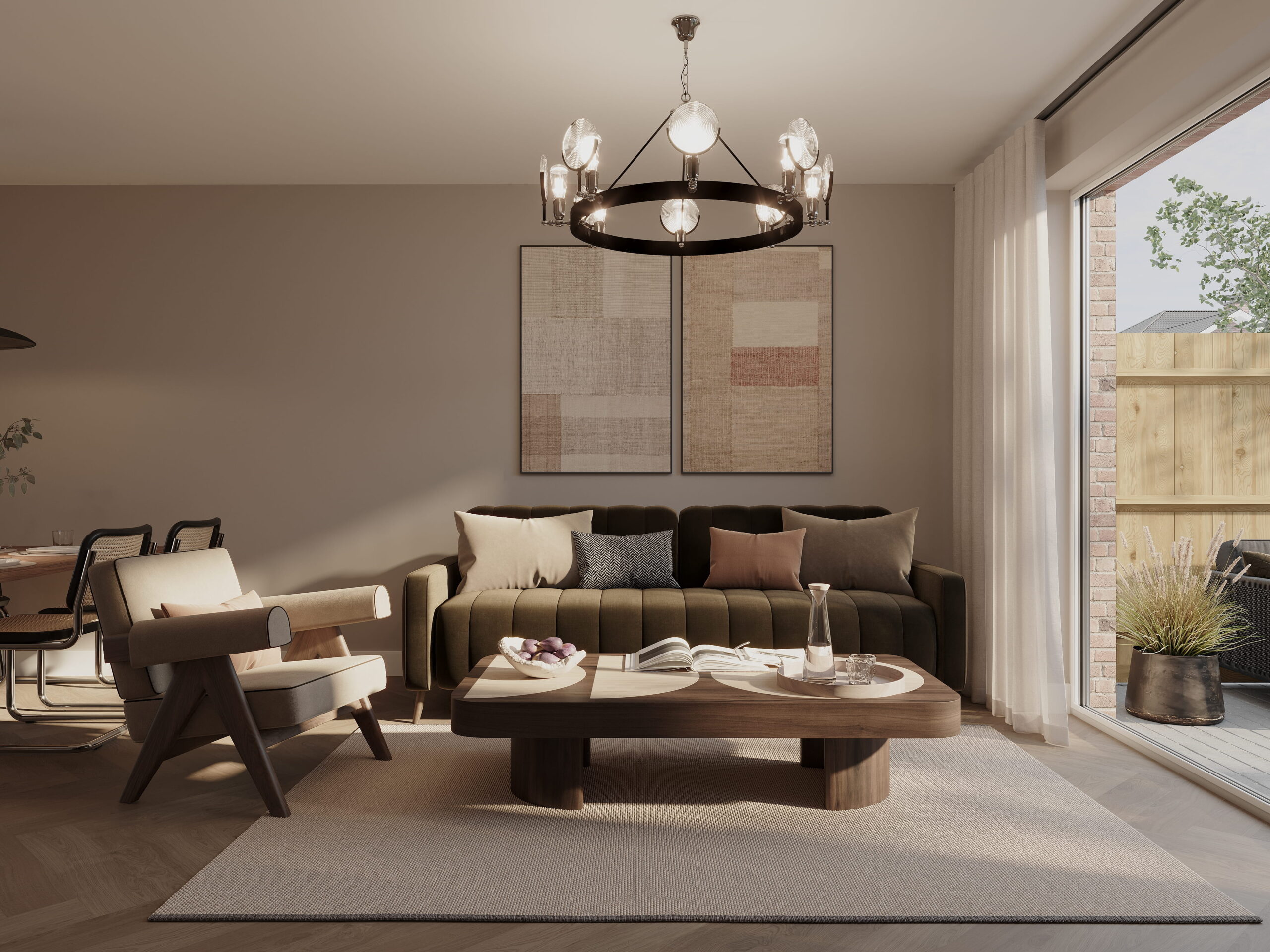
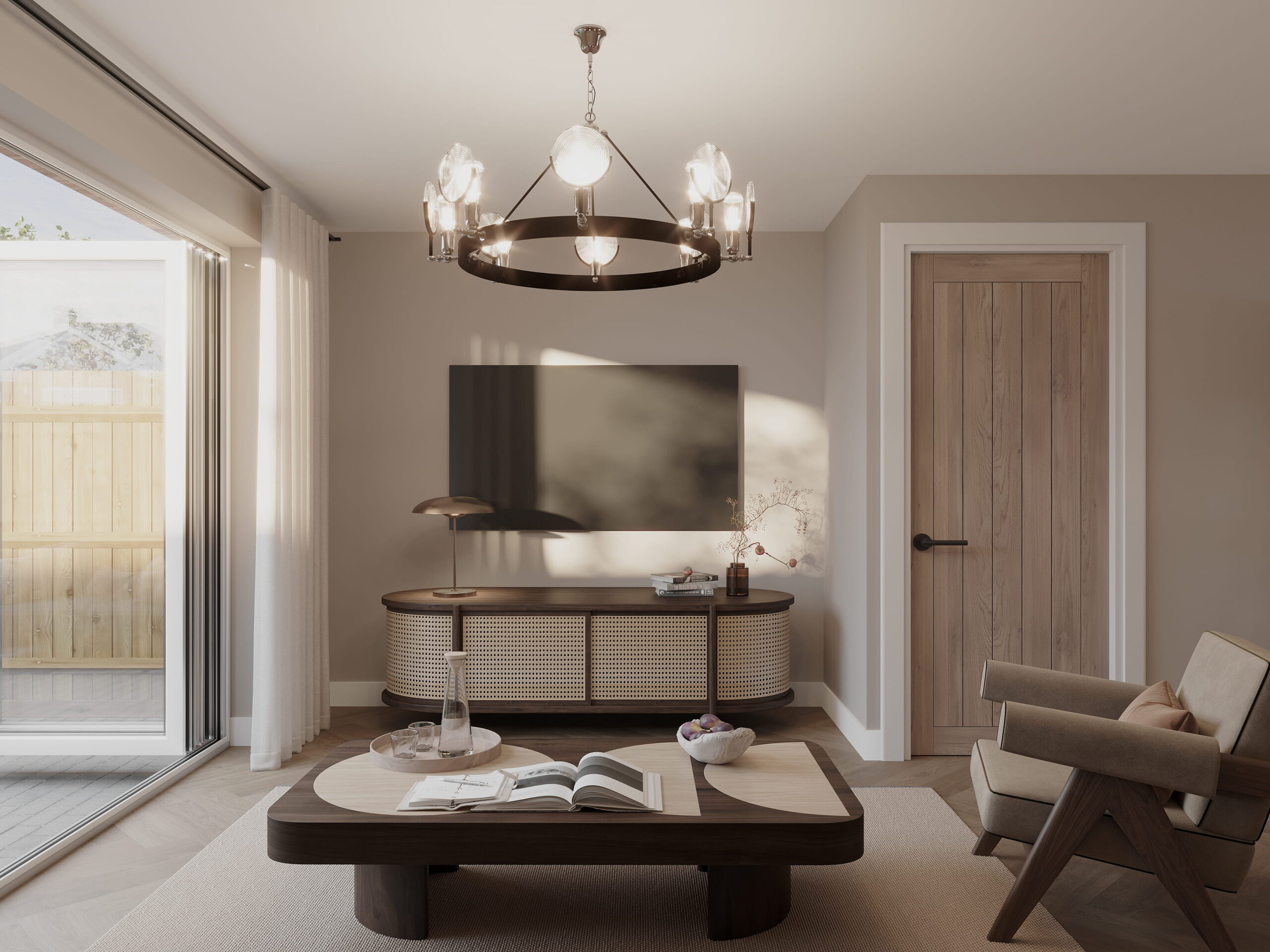
Example of Interior living space, sales-suite-quality hero images.
CGI Visuals: Empress Court, for Views
PR & Stakeholder Communications
CGI also plays an important role beyond sales. Developers frequently use visualisation to communicate with:
- Planning committees
- Investors
- Local communities
- Development partners
- Journalists
- Commercial occupiers
Professional visuals help explain proposals clearly while presenting the development consistently across every communication.
Maintaining Consistency as the Project Evolves
Few developments remain unchanged from planning to completion. Layouts evolve. Materials change. New amenities are introduced.
The strongest marketing campaigns aren’t those that never change. They’re those that manage change consistently.
Working with an experienced CGI studio means updates can be incorporated while maintaining the same visual language across every existing asset. That protects both the development’s identity and the confidence buyers have already built in the scheme.
Frequently Asked Questions
How do you market an off-plan property development before construction starts?
Successful off-plan marketing combines architectural CGI, interior visualisation, floor plans, animations, VR tours, brochures, websites and social media assets to help buyers understand the development before it’s built.
What marketing assets do property developers need before completion?
Most developments benefit from a coordinated suite of assets including exterior and interior CGIs, architectural animations, VR tours, floor plans, brochures, website imagery, social media content and sales suite graphics.
How can CGIs help sell a residential development before completion?
CGIs transform technical plans into realistic visuals that communicate architecture, interiors, amenities and lifestyle, giving buyers confidence to purchase off-plan.
Who creates CGIs, animations and VR tours for property developments?
Specialist architectural visualisation studios create these assets by working closely with architects, developers and marketing teams to produce accurate, consistent marketing material.
How do I choose a CGI studio for a property development?
Look for a studio that understands both architectural accuracy and property marketing. Beyond creating photorealistic imagery, they should be able to develop a complete visual strategy that supports websites, brochures, sales suites, advertising and PR throughout the campaign.
What should be included in a CGI brief for a new development?
A strong brief should include architectural drawings, site plans, material specifications, branding guidelines, target audience information, marketing objectives, required deliverables and project timelines.
Conclusion
Marketing an unbuilt development isn’t about asking buyers to imagine the future. It’s about helping them see it.
Professional architectural CGI gives marketing teams the tools to tell a consistent story across websites, brochures, social media, advertising, sales environments and stakeholder communications. Long before construction begins. When planned strategically, visualisation becomes far more than a collection of images. It becomes the foundation of the entire campaign.
Ready to Build Your Marketing Campaign Before Construction Starts?
Whether you’re preparing for planning, pre-launch or an off-plan sales campaign, we help developers, architects and marketing teams create coordinated visual strategies that bring unbuilt places to life.
From photorealistic architectural CGIs and animations to immersive VR tours and marketing-ready asset libraries, we create visuals that support every stage of a development’s journey.
Get in touch with North Made Studio to discuss your next project.
Explore our CGI for property developers and see The Forge CGI and VR tours for an example of a combined visual package.